Qatar Condemns Iranian Attack on Ras Laffan Industrial City, Warns of Regional Risks
Qatar has publicly denounced what it calls a deliberate Iranian attack on its Ras Laffan Industrial City, a vital energy hub. The assault led to multiple fires and considerable damage to the facility, underscoring escalating tensions in the Gulf. Qatar’s Foreign Ministry characterized the strike as a dangerous and blatant violation of its sovereignty. The attack affects Qatar’s critical energy infrastructure and threatens the broader security environment in the region. It puts Qatar and neighboring countries on higher alert amid ongoing conflicts involving Iran. Despite Qatar’s policy of neutrality and attempts to distance itself from regional warfare, Tehran’s actions signal... [Continue Reading]
 360LiveNews | 18 Mar 2026 19:45
Arab Parliament Condemns Iranian Attacks Targeting Civilians, Warns of Regional Security Threat
The Arab Parliament issued a strong condemnation of ongoing Iranian attacks against multiple Arab nations. These strikes have targeted residential neighborhoods, civilian infrastructure, and vital installations, resulting in civilian casualties and widespread destruction. Such actions flagrantly breach international laws and the United Nations Charter. This aggression not only violates the sovereignty of affected Arab states but also endangers the lives of countless civilians. The Parliament's speaker emphasized that these attacks threaten the national security of Arab countries and destabilize the wider region. These developments deepen existing tensions in the Middle East, risking further escalation and humanitarian crises. The attacks undermine... [Continue Reading]
360LiveNews | 18 Mar 2026 12:57
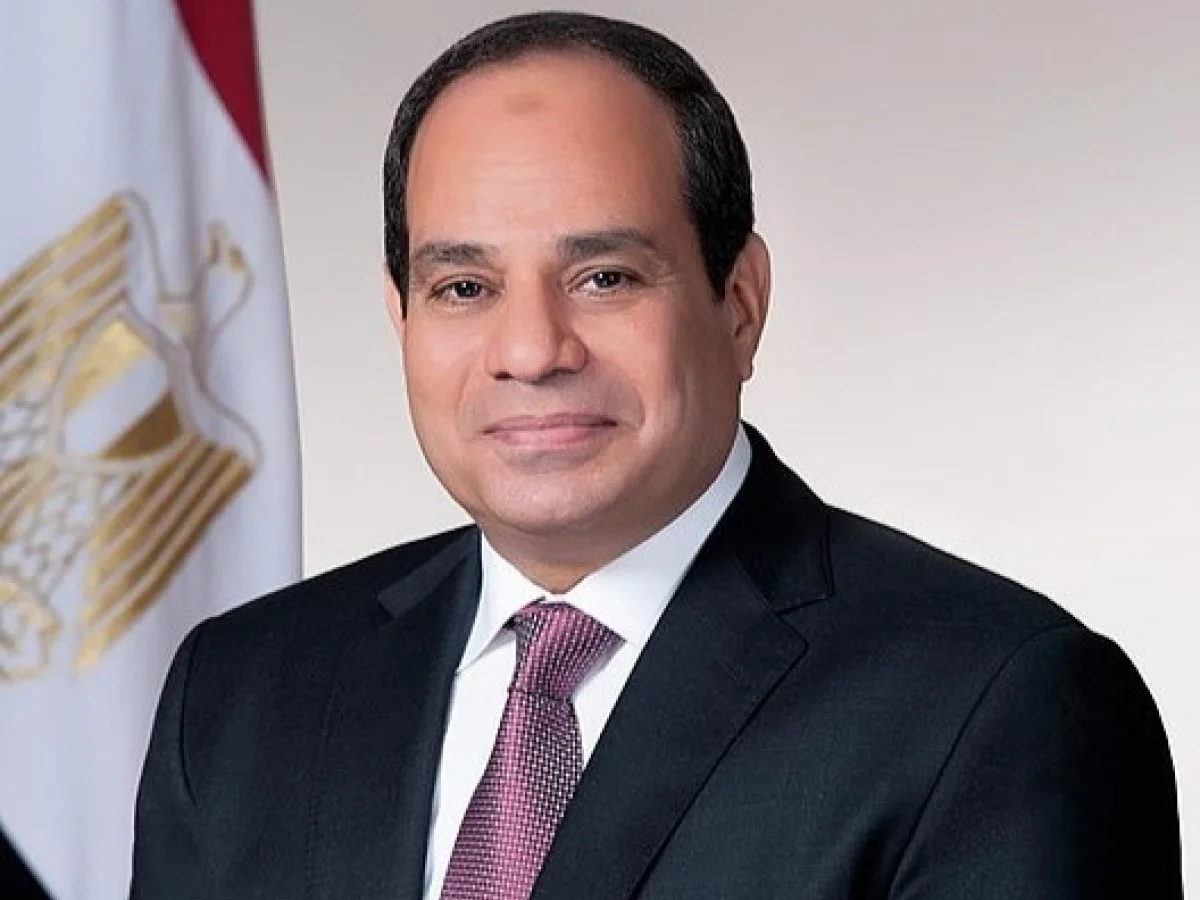
Egypt and Oman Vow to Strengthen Coordination Against Regional Tensions
On March 18, Egyptian President Abdel Fattah El-Sisi and Sultan Haitham bin Tariq of Oman spoke by phone to stress the importance of continued consultations aimed at de-escalating tensions in the Gulf region. The talks underscore both countries’ commitment to restoring stability amid recent regional insecurity. President El-Sisi emphasized Egypt’s full backing of Oman's sovereignty and the Gulf Cooperation Council (GCC) states, condemning Iranian attacks targeting Arab countries. This highlights growing tensions between Iran and some Arab states, impacting security dynamics in the Middle East. Both leaders agreed on the necessity of strengthening collective Arab national security frameworks to withstand... [Continue Reading]
360LiveNews | 18 Mar 2026 11:30
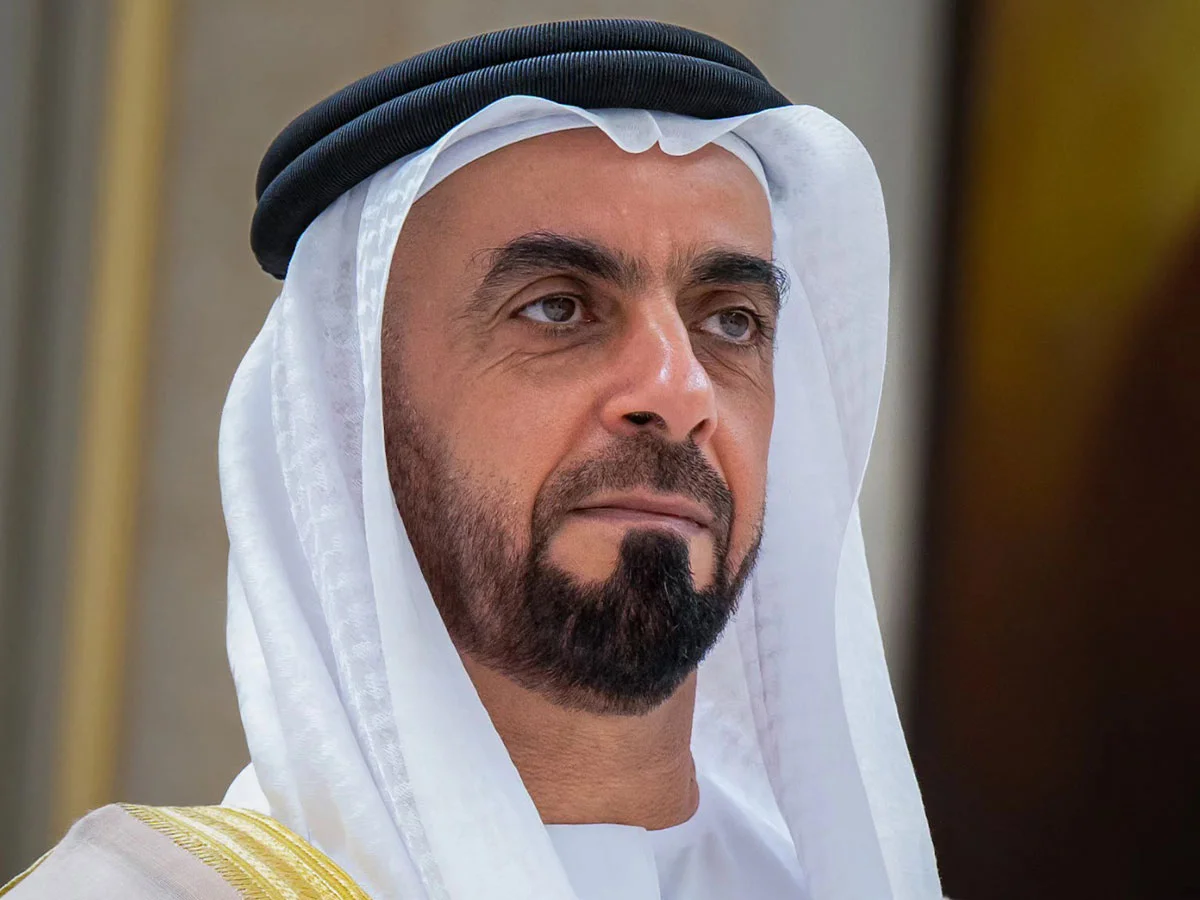
UAE and Saudi Interior Ministers Hold Security Talks Amid Rising Iranian Threats
On March 18, UAE Deputy Prime Minister and Minister of Interior Lt. Gen. Sheikh Saif bin Zayed Al Nahyan and Saudi Arabia's Minister of Interior Prince Abdulaziz bin Saud held a phone discussion about intensifying regional security threats. Their talks concentrated on recent Iranian attacks targeting Gulf stability, which have exacerbated tensions and raised concerns among Gulf Cooperation Council (GCC) members. Both leaders reviewed the evolving security landscape and pledged continued cooperation. The dialogue demonstrates heightened vigilance by the UAE and Saudi Arabia against external threats impacting their borders and broader Gulf stability. UAE’s reaffirmation of support for Saudi Arabia’s... [Continue Reading]
360LiveNews | 17 Mar 2026 22:42

UAE and Netherlands Condemn Iranian Attacks Amid Rising Regional Tensions
The President of the United Arab Emirates, Sheikh Mohamed bin Zayed Al Nahyan, held a phone conversation with King Willem-Alexander of the Netherlands to discuss the recent surge in military aggression attributed to Iran in the Gulf region. The two leaders voiced serious concerns over the impact of these attacks on regional stability and civilian safety. The Dutch King notably condemned the Iranian strikes against the UAE and neighboring countries, underscoring their violation of international norms and sovereignty. These attacks have targeted civilian populations and infrastructure, heightening fears over escalating violence and the potential for broader conflict in an already... [Continue Reading]
360LiveNews | 17 Mar 2026 20:00
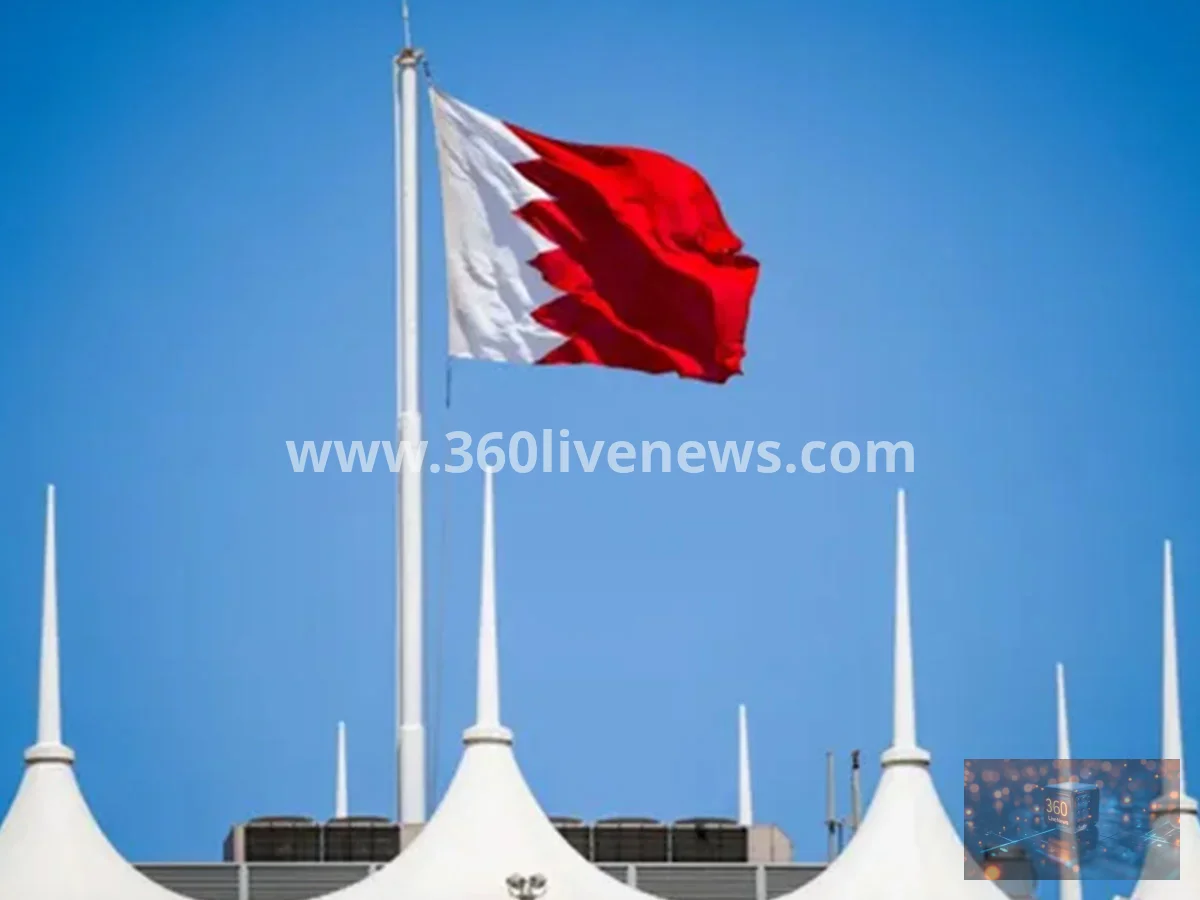
Bahrain Intercepts Over 350 Iranian Missile and Drone Attacks Amid Rising Regional Tensions
Bahrain’s defense systems have successfully intercepted and destroyed 129 ballistic missiles and 233 drones launched in attacks reportedly originating from Iran. These assaults have targeted Bahrain’s territory with drones and missiles aimed at civilian sites and private property, escalating tensions in the Gulf region. The Bahrain Defense Force has called on the public to exercise caution by staying away from affected areas and suspicious objects. Civilians are also warned not to record military operations or impact sites to avoid spreading misinformation. Officials emphasize relying on government channels for accurate updates and safety instructions. These repeated missile and drone strikes constitute... [Continue Reading]
360LiveNews | 17 Mar 2026 14:42