

Two young individuals die from meningitis outbreak in Canterbury, UK, as 13 cases reported by UK Health Security Agency
Two young individuals have tragically succumbed to an outbreak of meningitis in the Canterbury region of Kent, UK. The outbreak has been significant enough to prompt the UK Health Security Agency (UKHSA) to announce that it has been notified of 13 cases displaying symptoms indicative of meningitis. This alarming rise in cases occurred from Friday until the reporting on Sunday. The fatalities have heightened concerns about the spread of this serious illness within the local community, particularly among young people. The victims are reported to be aged between 18 and 21, with one confirmed as a student at the University... [Continue Reading]

School student is second person to die from Kent meningitis outbreak, says MP
Second victim named as Juliette as long queues of students wait for antibiotics at the University of KentTributes have been paid to a sixth-former confirmed as the second person to have died after an outbreak of meningitis in Kent.The sixth-form student was named as Juliette by teachers at Queen Elizabeth’s grammar school (QEGS) in Faversham, who described her as a kind and intelligent young woman. Continue reading... [Continue Reading]

Two die and 11 seriously ill in meningitis outbreak at University of Kent
Students in Canterbury given antibiotics for fast-acting and invasive meningococcal disease, says UKHSATwo people have died and 11 are reportedly seriously ill in hospital after an outbreak of a rare form of invasive meningitis at the University of Kent.The UK Health Security Agency (UKHSA) said it had provided antibiotics to students in the Canterbury area after it detected 13 cases of invasive meningococcal disease, a combination of meningitis and septicaemia. Continue reading... [Continue Reading]
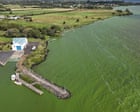
‘Drinking from a fetid pond’: superbug-creating genes found in UK’s largest lake
Exclusive: Lough Neagh, which supplies drinking water for 40% of NI, contains genes resistant to last-resort antibioticsGenes capable of creating antibiotic-resistant superbugs have been detected in the UK’s largest lake, which supplies drinking water to about 40% of Northern Ireland.Testing of water from Lough Neagh, which has a surface area 26 times bigger than Windermere, found genes resistant to a wide range of antibiotics, including carbapenems – drugs reserved for life-threatening infections when all other treatments have failed. Continue reading... [Continue Reading]