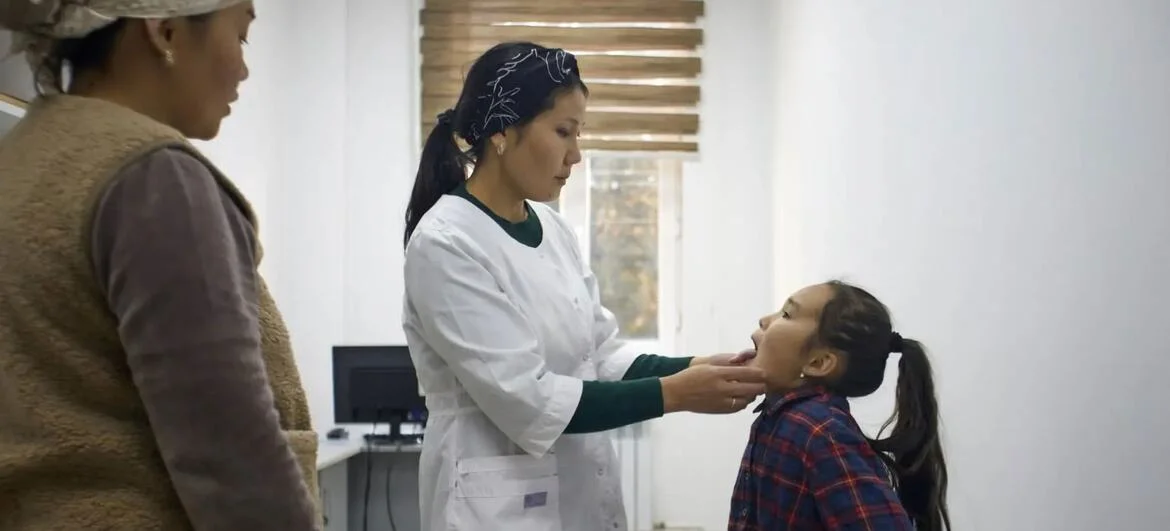
Women Live Longer but Face Medical Bias and Misdiagnosis Worldwide
Over the last quarter century, global efforts have improved women’s rights to sexual and reproductive healthcare, contributing to unprecedented longevity. However, data from the United Nations reveal persistent gaps in how healthcare systems diagnose and treat women. Women’s symptoms are frequently dismissed or misread, causing late diagnoses and inadequate care. This entrenched medical bias stems from health systems traditionally oriented around male physiology, leading to systemic discrimination in gender-specific health services. Women bear the consequences through lower quality of life, despite living longer lives. These inequities highlight that health is not yet a fully realized human right for women everywhere.... [Continue Reading]
 360LiveNews | 07 Apr 2026 17:48