Escalating Tensions: Hypersonic Missiles and Winter Storms Impacting Europe
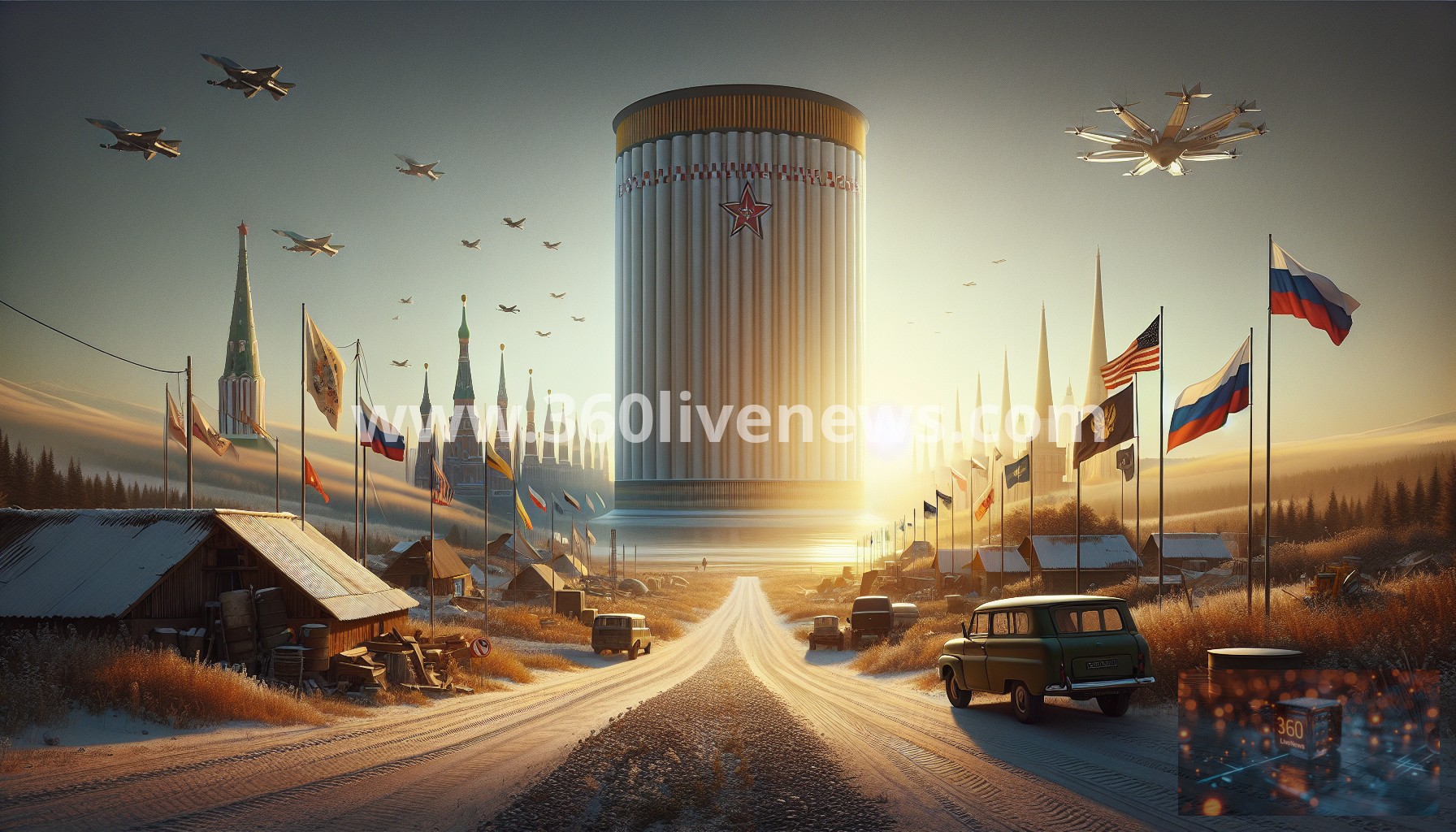
Recent military developments and severe weather conditions in Europe are drawing significant attention. The Russian military has reported the use of its new hypersonic Oreshnik missile in a strike on Ukraine, a move described by Kyiv as a 'grave threat' to regional security, particularly given its proximity to the NATO member states, including Poland. The Russian Foreign Ministry has justified this missile launch as retaliation for what it claims was a failed Ukrainian drone attack on one of President Vladimir Putin's residences. However, both Kyiv and Washington have categorically denied any such attempt.
This marks only the second operational deployment of the intermediate-range missile, notable for its speed—reported to be over 10 times the speed of sound—making interception virtually impossible, according to Russian officials. The implications of this attack focus mainly on its potential to alter the security dynamics of Eastern Europe, as highlighted by Ukrainian President Volodymyr Zelenskyy, who urged a firm international response, particularly from the United States.
Meanwhile, the UK is grappling with one of the harshest winter storms in a decade. Dubbed Storm Goretti, the storm has triggered rare red weather warnings, indicating wind speeds potentially reaching up to 100 mph in some areas. The resulting adverse conditions have caused widespread travel disruptions, including the cancellation of all flights at Birmingham Airport and numerous train services across southern England and Wales.
Forecasters predict significant snowfall across several regions, including the Midlands and parts of Wales, with some areas potentially accumulating up to 30 cm of snow. Health officials have also issued amber warnings, citing concerns for vulnerable populations amidst the cold snap, which is expected to lead to an increase in health-related issues.
In light of these developments, National Highways has warned drivers to be cautious, particularly on routes through the Midlands and northern England, where conditions are expected to be treacherous. Officials have recommended postponing unnecessary journeys and remaining vigilant during travel.
Amidst the heavy snowfall, Ukraine remains embroiled in conflict, with Moscow's missile strikes reported to have caused casualties, including deaths and injuries among civilians and first responders. The Ukrainian government claims that its economy and infrastructure continue to suffer significantly due to ongoing military aggressions by Russia. Observers fear that continuous strikes and military operations may provoke further retaliatory actions from NATO or the EU.
While European nations brace for severe weather and analyze the ramifications of the latest military escalations, both the storm and the ongoing conflict highlight the complex and intertwined challenges facing the continent. The response from international powers, particularly the US, will be crucial in determining how these situations develop in the coming weeks.
With winter storms and geopolitical tensions at the forefront, concerns grow regarding humanitarian impacts and security across Europe. As these events unfold, the interplay between climate and conflict poses significant questions for regional stability and health systems.
For further insights and updates, follow the conversation through #UkraineConflict, #MilitaryTensions, #StormGoretti, and #EuropeanWeather.
