Severe Weather and Conflict Rise in Southern Africa and Ukraine
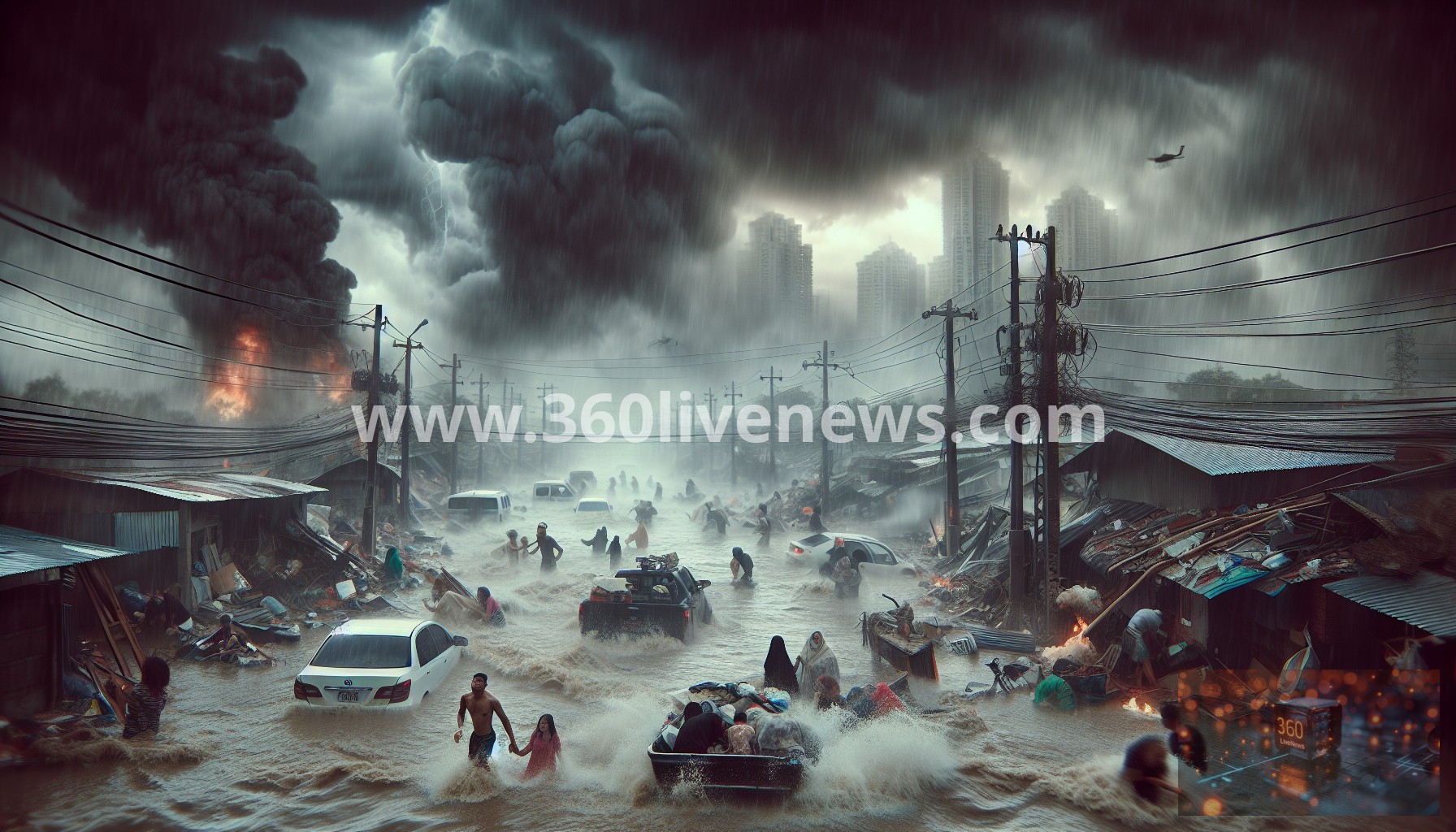
Severe weather across southern Africa has tragically resulted in the deaths of at least 103 individuals in Mozambique, which has been identified as the country hardest hit by recent flooding. Over 200,000 people in the region have been affected by the disaster, with the World Food Programme reporting extensive damage to homes and infrastructure. Thousands are currently at risk of evacuation due to rising waters.
Zimbabwe has also seen significant casualties, with at least 70 reported deaths and extensive infrastructure damage, including the destruction of more than 1,000 homes. Meanwhile, in South Africa, the provinces of Limpopo and Mpumalanga have experienced an estimated 19 fatalities linked to the torrential rains. During a recent visit, South African President Cyril Ramaphosa described the impact as devastating, citing locations where entire houses had been swept away.
Emergency interventions have been initiated, with around 600 tourists being evacuated from Kruger National Park, as access to parts of the park becomes severely restricted due to washed-out roads. The South African Weather Service has issued red alerts warning of further downpours that could exacerbate the situation. The military has deployed helicopters to assist with rescue operations, highlighting the ongoing crisis in the region.
In parallel, the conflict in the Middle East intensifies, with reports of rising violence in the occupied West Bank. A 14-year-old Palestinian boy, Mohammed Naasan, has been killed by Israeli forces during a military incursion. This incident has sparked international condemnation and calls for accountability. Reports indicate an unprecedented increase in settler violence across Palestinian territories, with 240 Palestinians, including numerous children, reported killed last year.
Experts suggest that the increase in military actions correlates with ongoing tensions between Israeli and Palestinian forces amid broader geopolitical dynamics, particularly in light of the recent escalation of violence in Gaza. The situation has raised concerns among rights organizations, who argue that children in these regions face heightened risks of militarization and violence.
Meanwhile, U.S. politics are also creating waves internationally as tensions rise over Greenland. Recent remarks by President Donald Trump have sparked debates on the island's strategic relevance to U.S. national security. Trump has suggested that trade tariffs might be imposed on countries opposing plans for acquiring Greenland, which is an autonomous territory of NATO ally Denmark. Diplomatic discussions continue, with U.S. politicians meeting Danish leaders to address these growing tensions.
Amid these dramatic events, Cuba held a tribute for 32 soldiers killed during a U.S. military strike that targeted the ousted Venezuelan president, Nicolas Maduro. The ceremony, attended by Cuban leaders, reflected ongoing hostilities between Havana and Washington, as Cuba faces severe economic challenges exacerbated by U.S. sanctions and political pressures. The tribute underscores the complex relationship between the U.S., Venezuela, and Cuba, where Washington's actions have profound implications for regional stability.
In the media landscape, press freedom faces new challenges as the Pentagon undertakes measures to reshape its control over the independent Stars and Stripes newspaper. Critics argue that recent changes threaten editorial independence and align the outlet more closely with government narratives, undermining long-standing journalistic standards within the military context.
Concurrently, the new year of grand slam tennis begins with the Australian Open set to showcase exciting matches as players like Jannik Sinner and Madison Keys defend their titles. The tournament promises thrilling competition among world-class athletes, with rising stars like Carlos Alcaraz and veterans such as Novak Djokovic eager to claim victory.
As these global narratives unfold, the impact of severe weather, international conflicts, and political machinations remind us of the interconnectedness of our world, as communities worldwide navigate crises of various forms. #GlobalNews #Flooding #PoliticalTensions #PressFreedom #SportingEvents
