US Pressure Intensifies on Cuba Amid Venezuelan Oil Crisis
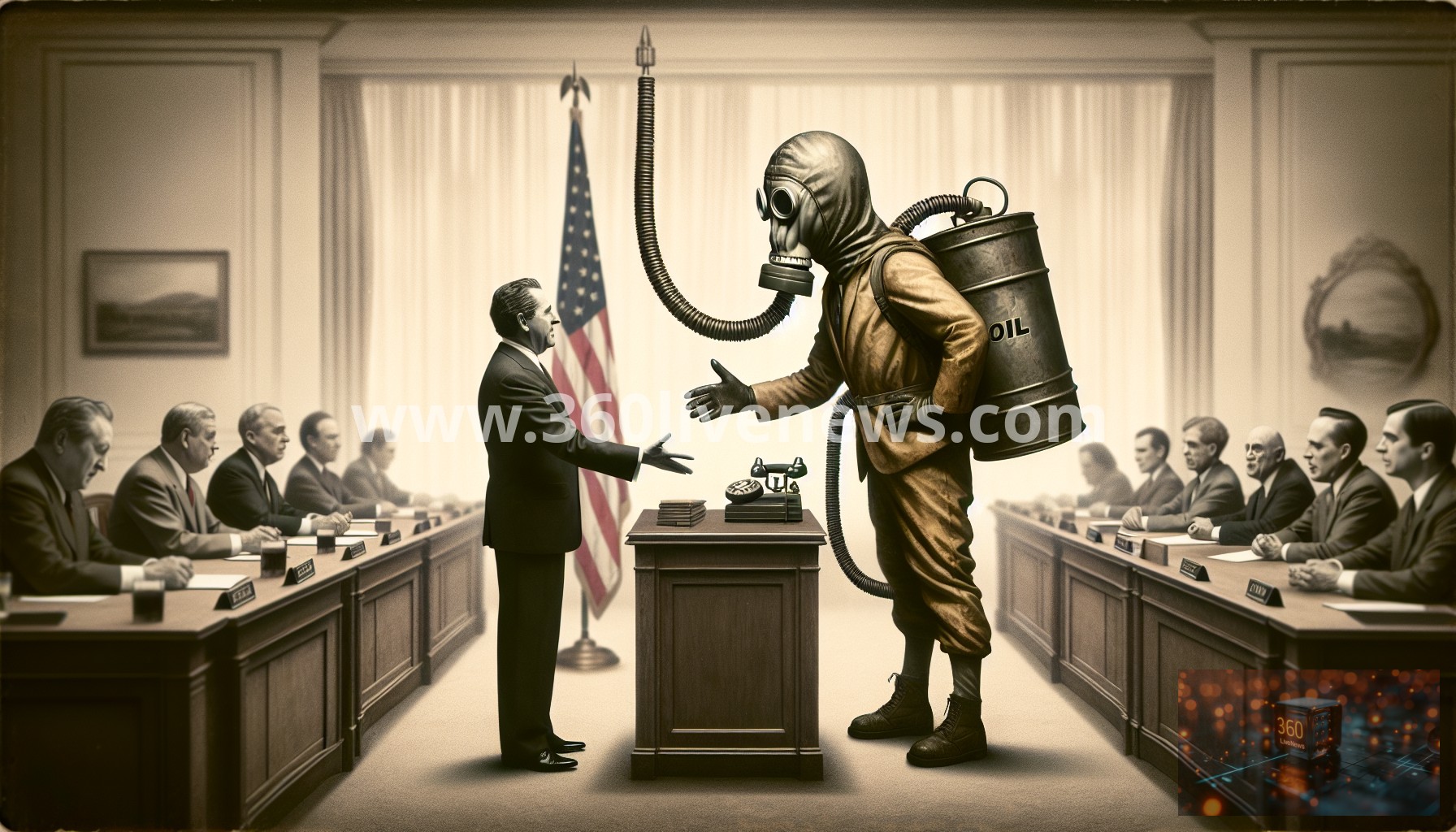
Relations between the United States and Cuba are reaching new heights of tension as President Donald Trump issues a stern warning to the island nation. In a recent post on social media, Trump threatened that without a deal with the US, Cuba would see no more oil or financial support from Venezuela, its primary supplier of crude oil. This development follows a significant military operation in Venezuela, resulting in the capture of President Nicolás Maduro, which has shifted the geopolitical landscape in the region.
Historically, Cuba has depended heavily on Venezuelan oil imports, which make up a substantial part of its energy needs. This reliance complicates Cuba's economic situation, especially under strict US sanctions aimed at destabilizing the communist regime. Trump's ultimatum comes as the US aims to align its neighbors in the Americas more closely with its policies, putting pressure on countries like Cuba to fall in line or face severe economic consequences.
In his provocative statement, Trump emphasized he would prevent any oil or funds from reaching Cuba, underscoring that a negotiation would need to take place "before it is too late." However, the specifics of this proposed deal remain vague, with little indication of what the US would require from Cuba in exchange for assistance. The aftermath of Trump's directives has elicited a defiant response from Cuban President Miguel Díaz-Canel, who asserted the nation's sovereignty and independence, declaring that Cuba would not be dictated to by the US.
The recent political upheaval in Venezuela, marked by Maduro's capture, has further strained relations. Cuba has historically supported Venezuela under Maduro, benefiting from a system in which their economies were interlinked. The sudden loss of this relationship due to US military intervention raises questions about Cuba's capacity to manage without the steady influx of Venezuelan oil, which has been critical for the island's fuel supply.
Venezuela's oil exports, managed by state-run PDVSA, have decreased significantly due to ongoing sanctions and internal challenges. Last year, Cuba imported about 26,500 barrels of oil per day from Venezuela, which was about half of its oil deficit. These exports have declined as Venezuelan operational capacity suffered, exacerbating Cuba's existing energy crises characterized by long blackouts and fuel shortages.
Despite the dire circumstances, Díaz-Canel remains resolute, stating that Cuba has the right to secure fuel from whichever suppliers are willing to provide it. This statement hints at possible alternative arrangements with countries such as Mexico, which has recently offered limited oil supplies to Cuba amid the disruptions caused by US policies toward Venezuela. Mexican President Claudia Sheinbaum has mentioned that Mexico is becoming an increasingly important oil supplier, even if their contribution does not fully cover Cuba's needs.
US intelligence reports suggest Cuba's economy is in a perilous state, affected by resource scarcities exacerbated by sanctions and ongoing power outages. The dire situation has precipitated a wave of emigration, as Cubans seek better opportunities abroad, particularly in the US. The unfolding scenario poses significant challenges for Díaz-Canel's government as it strives to maintain stability amidst external pressures.
Furthermore, it remains unclear whether Venezuela, under new leadership, will comply with Trump's demands regarding oil shipments to Cuba. If the Venezuelan government refuses to stop the flow of oil, Trump might consider more drastic measures, including military actions, to enforce a blockade against any vessels attempting to transport oil to the island. Such actions could escalate tensions further and affect regional stability.
Cuban Foreign Minister Bruno Rodriguez has also addressed the situation, asserting that Cuba has not received any material compensation in exchange for the support it has provided to Venezuela. This claim suggests that Cuba, despite its historical alliance with Venezuela, is trying to assert its independence in international dealings while adapting to a rapidly shifting political landscape.
The intricacies of Cuban-American relations are influenced by a multitude of factors, including the island's proximity to the US and the enduring legacy of events like the Cuban Missile Crisis. The longstanding ideological divide continues to shape perceptions and policies in Washington, particularly influenced by the vocal Cuban-American community in Florida.
Ultimately, the interplay between Venezuela and Cuba, exacerbated by US actions and rhetoric, is set against a backdrop of economic distress and geopolitical maneuvering in Latin America. As both nations navigate their respective futures, the stakes are higher than ever, with implications reaching far beyond the Caribbean.
As the situation develops, observers will be watching the administration's next moves closely amid rising tensions in the region. The continuation of this standoff has the potential to reshape diplomatic relationships and fuel further unrest. Cuba Venezuela US #Cuba #Venezuela #Trump #OilSanctions #CubanSovereignty
