UK Asylum Granted Amid Controversy and Calls for Media Reform
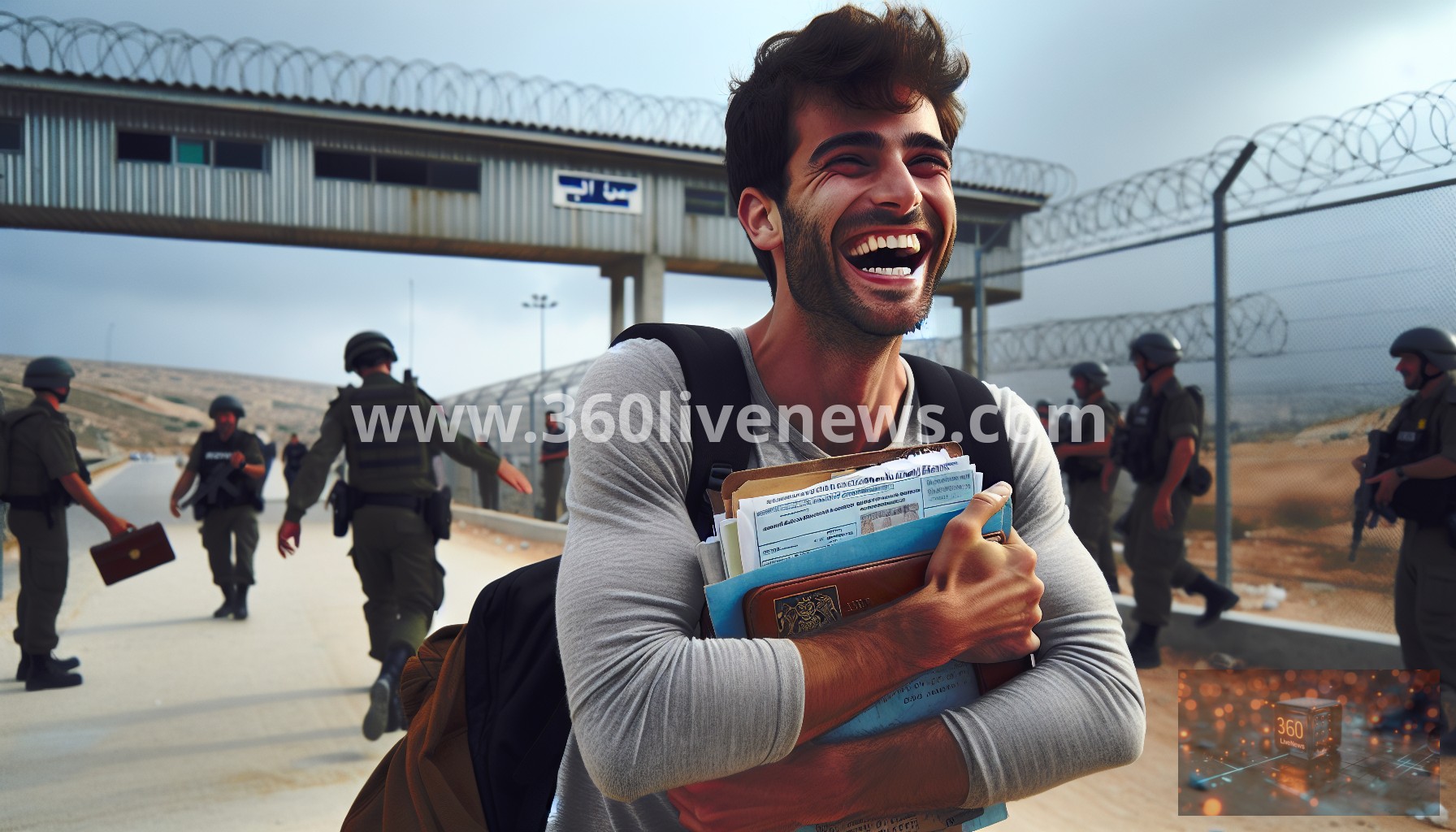
A Palestinian with an Israeli passport has been granted asylum in the United Kingdom after overcoming significant administrative hurdles and political intervention. The individual, known as Hasan but referred to under a pseudonym for legal reasons, successfully established a claim of "well-founded fear of persecution" based on risks associated with his activism for pro-Palestinian rights.
This case marks a notable point in the ongoing debates around refugee status and immigration policy in the UK. Despite being born in Israel, Hasan has lived in the UK for most of his life. His asylum claim was initially rejected; however, just before a major tribunal hearing on this matter, the Home Office unexpectedly agreed to grant him refugee status. This decision was complicated by a subsequent withdrawal of the offer following intervention by then Home Secretary James Cleverly.
Documents released during the ensuing judicial review detailed evidence of systemic discrimination against Palestinians within Israel. This included references to practices such as apartheid and forced displacement. The judicial outcome affirmed that Hasan's fears were substantiated, leading to the reinstatement of his asylum claim after a prolonged legal struggle supported by the Joint Council for the Welfare of Immigrants (JCWI).
Following this legal victory, Hasan expressed frustration over the challenges he faced while in limbo, particularly the inability to work or pursue education, waiting for a resolution that never seemed certain. His story has resonated with many, bringing to light concerns regarding how the UK handles asylum claims amidst geopolitical tensions surrounding the Israeli-Palestinian conflict. Analysts suggest that the case shines a light on broader issues within immigration policy and human rights practices.
As Hasan's situation highlights ongoing refugee challenges, researchers are also examining potential changes in media structures amid political developments in Ireland. A report from researchers at Ulster University and Dublin City University proposes the establishment of a new public service broadcaster should a united Ireland come to fruition.
The study suggests that a fresh model, which may draw resources from existing entities like BBC Northern Ireland and RTÉ, would be more beneficial than simply integrating existing structures. This would involve creating ten regional hubs to address the diverse cultural narratives across both the north and south of Ireland.
Maintaining independent media coverage and representation is seen as crucial in a post-reunification context. The report argues that such an institution could serve to foster dialogue among the diverse communities of Ireland, potentially leading to better governance around media initiatives. It also points to the long-lasting issues surrounding funding and independence, with recommendations inspired by models such as Finland's public broadcasting system.
Researchers recognize the complexity and the distant nature of Irish reunification discussions, suggesting that while public service media should not be overlooked, it will likely remain secondary to pressing matters like healthcare and policing. Nonetheless, the calls for renewed dialogue about media's role reflect a larger trend of addressing the future needs of both communities in the context of their evolving identity.
As debates continue over asylum policies in the UK and potential changes in Ireland's media landscape, both situations are indicative of the broader discussions surrounding human rights and cultural representation in evolving geopolitical frameworks.
#AsylumSeekers #MediaReform #UKIrelandRelations #HumanRights
