Court Ruling Resumes Offshore Wind Project Amid Political Tensions
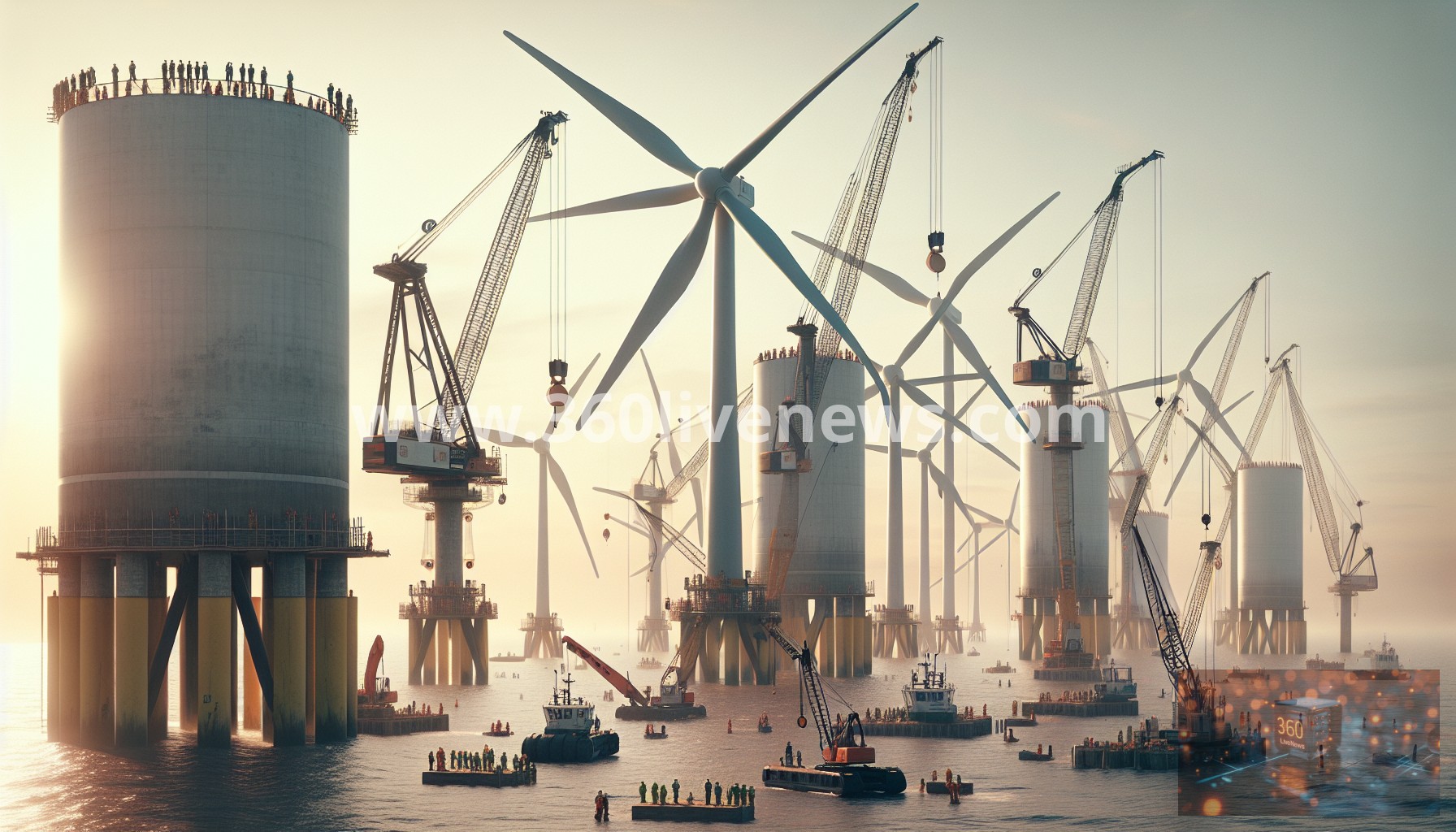
A federal judge has allowed construction to proceed on a significant offshore wind project off the coast of New York, a notable reversal following a Trump administration order that aimed to pause the development due to purported national security concerns. The ruling underscores ongoing tensions between green energy initiatives and political maneuvering regarding energy sources in the United States.
District Judge Carl J Nichols, noted for being a Donald Trump appointee, ruled in favour of the Empire Wind project, stating that the government did not adequately justify the suspension of activities. Attorney General Stanley Woodward Jr emphasized that one of the administration’s key national security concerns appeared to be related to the operational phase of the turbines, rather than their construction. The court’s decision grants the Norwegian company Equinor the ability to move forward with the development of the wind farm, which is projected to power over 500,000 homes.
The Empire Wind project's legal victory is significant, particularly as it occurs during a tumultuous political landscape in which the Trump administration has frequently positioned itself against renewable energy projects. President Trump has previously criticized offshore wind projects, labeling them as economically disadvantageous and environmentally detrimental. His administration had paused five substantial offshore wind projects along the Eastern Coast just before Christmas 2022, citing national security as the primary rationale.
New York Governor Kathy Hochul welcomed the recent court ruling, characterizing the government’s previous halting of the projects as unwarranted. She called for transparency regarding any genuine national security threats associated with the projects, highlighting the administration's inability to provide sufficient evidence for such claims. The Empire Wind project stands at 60% completion and aims to play a crucial role in meeting the clean energy demands of New York and adjacent states.
This legal development is part of a broader trend as numerous wind projects face legal challenges under the Trump administration's directives. The Danish company Orsted has also won court approval to continue construction of its wind project, called Revolution Wind, which is critical for supplying Rhode Island and Connecticut. Both states rely heavily on renewable energy solutions as they strive to transition from fossil fuels.
The ongoing struggles of these offshore projects contrast sharply with the global surge in the expansion of offshore wind capabilities, particularly in China, which leads the world in new installations. The evolving landscape of energy production raises questions about the balance of national policy and international commitments to renewable energy. As these projects face legal scrutiny, varying opinions from stakeholders, including environmental groups and local governments, complicate the narrative surrounding energy development.
In another geopolitical arena, tensions in Iran have added complexity to America's international relations. Following a series of protests in Iran, President Trump hinted at possible US intervention should the Iranian government execute detainees linked to these protests. The precarious situation has led to increased military readiness among US forces, visualised through the relocation of personnel and heightened vigilance in the region.
Recent reports indicated a shift in tone from President Trump, as he stated that the likelihood of executions in Iran had diminished, allowing for a temporary cooling of tensions. Nonetheless, US military options remain on the table as Trump navigates the delicate situation, balancing international diplomacy with domestic political considerations. Observers have cautioned against hasty military interventions, warning that such actions could adversely affect the ongoing protests against the Iranian government.
In Australia, a separate crisis unfolded as a key weather radar essential for agricultural operations was severely damaged by lightning on Christmas Day. The Bureau of Meteorology has confirmed that the radar, crucial for tracking weather events in northern Western Australia, will be offline for at least three months, exacerbating the difficulties faced by local farmers and pastoralists during the vital growing season. The absence of radar data not only hinders weather monitoring but poses safety risks and financial burdens for operators reliant on accurate forecasts.
The national and international developments in energy production, military posturing, and weather-related challenges portray a world grappling with dynamic and often contentious change. These events highlight the intricate intersections of policy, environment, and security that shape contemporary global discourse. Energy policies in the US, military strategies regarding Iran, and agricultural forecasts in Australia exemplify the complex balance of interests that governments must navigate as they respond to pressing issues.
#OffshoreWind #RenewableEnergy #IranProtests #WeatherCrisis #EnergyPolicy
