Controversial Cancellations Spark Public Debate on Free Expression
A recent series of events in both the United Kingdom and Australia highlights growing tensions surrounding freedom of expression, particularly regarding discussions about Israel and Palestine. The cancellation of a visit by Labour MP Damien Egan to a school in Bristol, England, and the disinvitation of Palestinian Australian author Randa Abdel-Fattah from the Adelaide Writers' Week are focal points of these ongoing discussions.
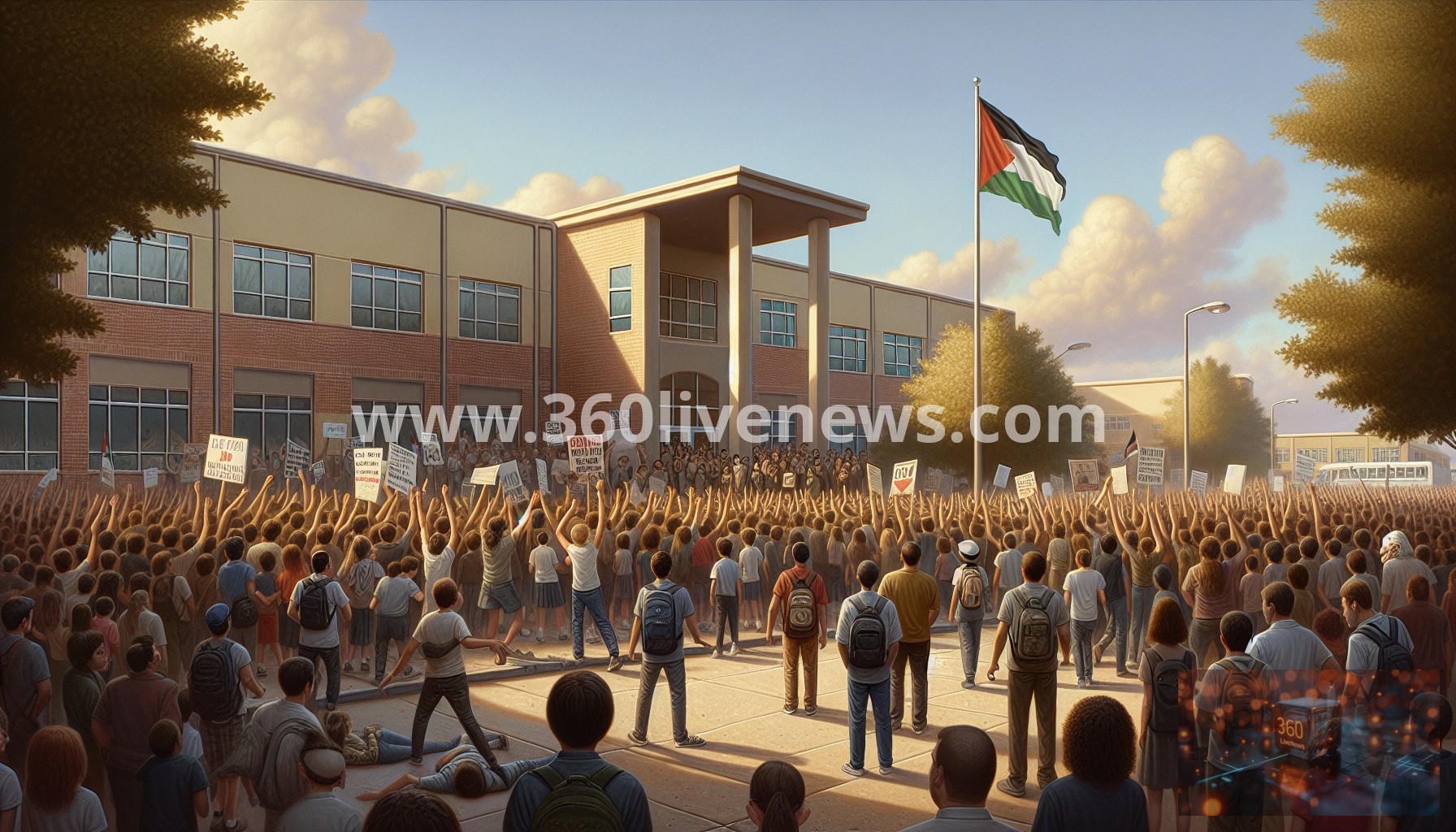
Concerns arose in Bristol when pro-Palestinian group Palestine Solidarity Bristol protested Egan's planned school visit, citing his support for Israel. The visit was ultimately cancelled in early September, a situation brought to light by Communities Secretary Steve Reed speaking to the Jewish Labour Movement. Reed criticized the decision, asserting that no individual should be barred from engaging with students based on their political beliefs.
The school involved issued a statement attributing the postponement to concerns about a protest that could disrupt the event, highlighting sensitivity surrounding the ongoing Israel-Palestine conflict. This incident reflects broader societal concerns about the political climate in the UK, particularly regarding how discussions about Israel and Palestine are approached in educational settings.
Meanwhile, in Australia, the Adelaide Writers' Week faced severe backlash after its board disinvited Randa Abdel-Fattah due to concerns about “cultural sensitivities” following a tragic mass shooting in Bondi Beach. This incident, which resulted in fifteen fatalities during a Hanukkah celebration, prompted significant discourse on the designation of public spaces and the role of artists and authors in navigating sensitive topics.
The Adelaide Writers' Week board has now announced its cancellation for 2026 due to a mass withdrawal of over 180 participating authors, who protested the decision to disinvite Abdel-Fattah. The board's rationale was grounded in an intent to respect the feelings of communities affected by violence, yet it now acknowledges the division sparked by their choice, stating it regretted the distress caused to audiences and artists alike.
Louise Adler, the festival's director, publicly resigned in response to the controversies, declaring that she could not support the suppression of writers. Her op-ed in The Guardian articulated concerns that the cancellation marks a dangerous trend threatening artistic freedom and expression in Australia. She likened the situation to historical instances of censorship, questioning whether dissenting views on Israel could lead to broader implications for free speech.
The Australian government, under Prime Minister Anthony Albanese, is also responding to the Bondi tragedy with plans for a national day of mourning, indicating a need for solidarity while the artistic community grapples with issues surrounding representation and expression. This context highlights the challenges artists and political figures face when addressing conflicts that have deep cultural and geopolitical implications, particularly when balancing respect for affected communities with the principles of free speech.
This sequence of events illustrates the increasingly fraught nature of public discourse surrounding Israel and Palestine, as well as the intersection of art, politics, and societal values. As artists, activists, and political figures navigate this complex landscape, the implications for freedom of expression remain an area of vital importance that continues to resonate globally.
With these incidents sparking widespread debate, the response to them will shape the future of public discourse on contentious issues. The challenge lies in fostering a dialogue that respects diverse perspectives while promoting the principles of artistic expression and free speech, a fundamental component of democratic societies.
#FreeSpeech #ArtisticFreedom #PoliticalDebate #IsraelPalestine #AdelaideWritersWeek
