Fighting Erupts in Aleppo as Syrian Peace Talks Collapse
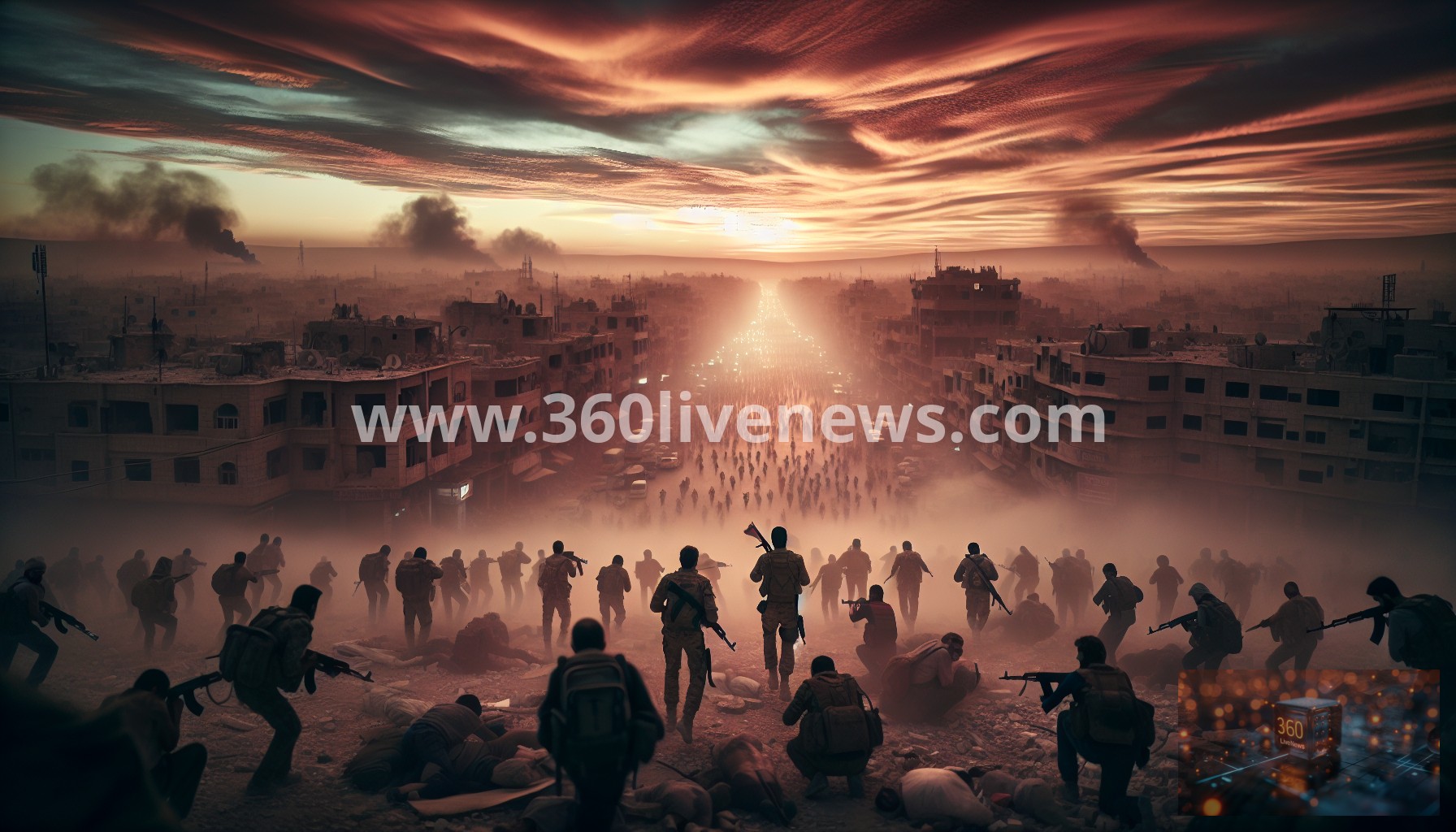
Significant clashes have erupted in Aleppo, following the breakdown of discussions aimed at integrating the Syrian Democratic Forces (SDF) into the national army. This escalation comes amid an ongoing struggle for power and influence in Syria, a country still recovering from years of brutal civil conflict.
The Syrian Democratic Forces, primarily composed of Kurdish fighters, have played a critical role in the fight against the Islamic State of Iraq and the Levant (ISIL). However, tensions remain high as various factions vie for control amidst a shifting political landscape. The failure of the latest peace talks signals a setback for potential reconciliation efforts, which have struggled to gain traction over the past years.
The backdrop to these clashes is fraught with challenges, including the continued presence of numerous foreign actors in Syria, such as Russia, Iran, and the United States, each supporting different groups and interests. These external influences increasingly complicate the already intricate situation on the ground.
In a related development, former Venezuelan opposition candidate Enrique Marquez has recently been released, alongside a large number of other prisoners. His release comes after a series of negotiations aimed at easing tensions in the country. Venezuela has experienced significant political unrest, characterized by allegations of human rights violations and authoritarian governance under the leadership of Nicolás Maduro.
The Venezuelan political landscape is highly polarized, with the opposition demanding greater democratic reforms and an end to governmental repression. Marquez's release can be seen as a potential sign of a shift, aiming to foster dialogue in the aftermath of ongoing protests and international pressure against the government's policies.
The intertwining of these events in Syria and Venezuela raises important questions about international diplomacy and the role of global institutions. The United Nations has been involved in mediating talks in both contexts, seeking to promote peace and stability. Yet, the effectiveness of these efforts remains under scrutiny, as various parties often lack the will to compromise amidst deeply rooted divisions.
Both nations serve as poignant reminders of the fragility of state governance when under external pressure and internal strife. In Syria, the continuation of conflict creates humanitarian crises, with millions displaced and in need of urgent assistance. Concurrently, Venezuela grapples with severe economic challenges, high inflation, and widespread poverty, exacerbated by ongoing political turmoil.
As the world watches these situations unfold, the international community remains divided on how best to respond. The potential for further conflict in Syria, coupled with Venezuela's political instability, poses risks not only locally but also on a global scale, influencing migration patterns, international relations, and humanitarian efforts.
These unfolding events underscore the complexities of modern warfare and governance, highlighting the need for sustained diplomatic engagement and collaboration. Observers await how these developments will impact the future trajectories of both Syria and Venezuela, as well as the wider geopolitical landscape.
#Syria #Venezuela #MiddleEast #LatinAmerica #PeaceTalks #ConflictResolution
