Venezuela's Political Shifts and Global Implications of US Intervention
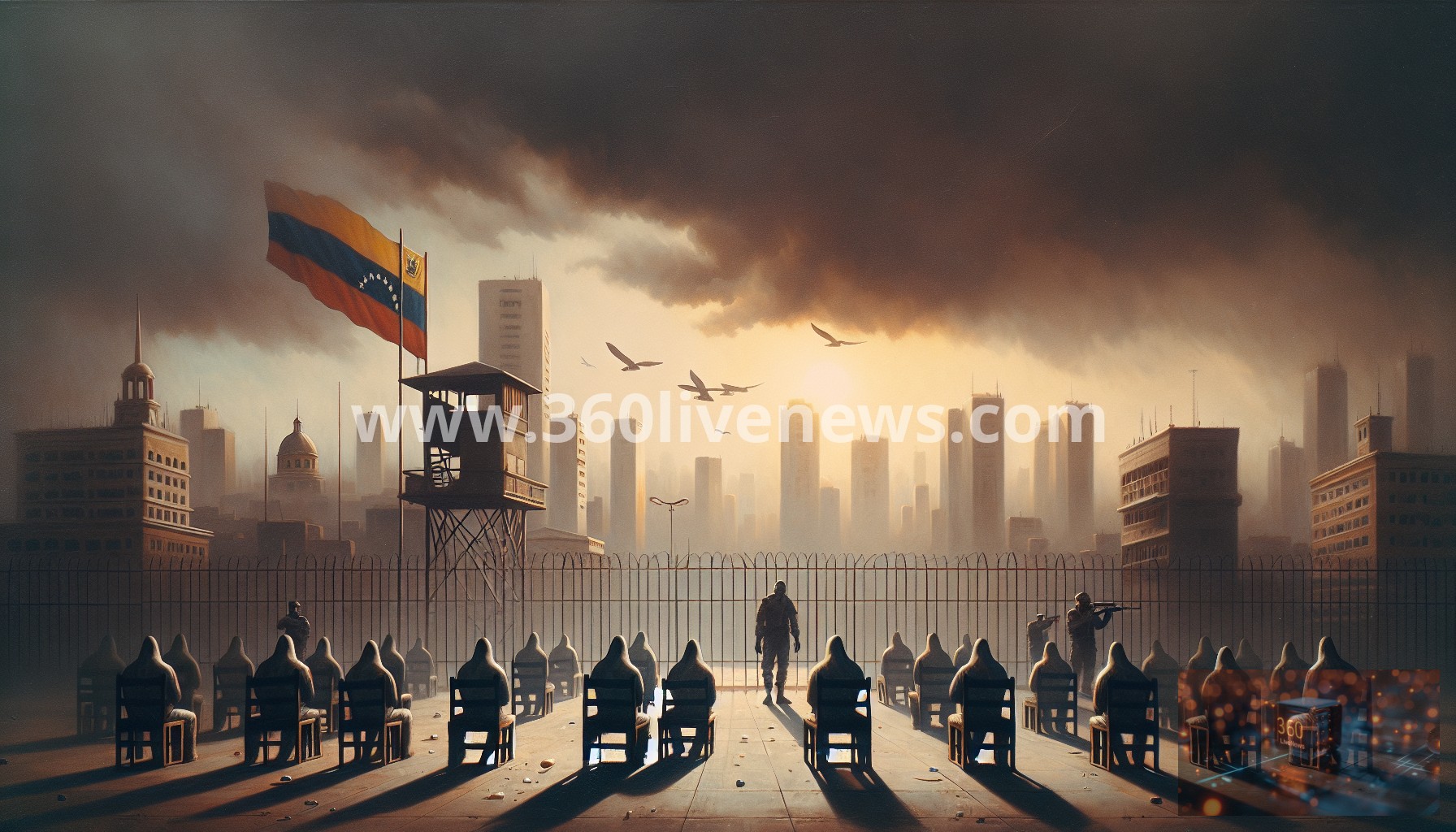
Recent developments in Venezuela have heightened tensions in international relations, particularly concerning the United States' posture towards the South American nation. While the Venezuelan government has commenced the release of detained political prisoners, recent figures from non-governmental organisations (NGOs) suggest that as many as 1,000 political prisoners remain behind bars. This figure is significant as it reflects ongoing repression despite a perceived political shift following the capture of Nicolás Maduro, illustrating a complex landscape of governance and public dissent in the country.
The United States has welcomed the release of American citizens detained in Venezuela, affirming the move as a positive step by the interim authorities. However, the exact number of Americans freed remains ambiguous, with estimates suggesting at least four individuals were released. Local reports indicate that, just over a month ago, fifteen teenagers were apprehended for celebrating Maduro's capture in Barcelona, highlighting the delicate balance between governance and public expression of dissent still rampant in Venezuela.
Amid these developments, former Venezuelan senior prosecutor Zair Mundaray expressed concern over the administrative chaos enveloping the regime. He noted that while the regime aims to display a civic and responsive image through selective releases, ongoing detentions persist, reflecting a paradox of governance. The Republican-led Congress in the United States is keenly observing these developments, particularly in the context of America's foreign policy strategy, which has included significant military intervention in the region.
The implications of President Donald Trump's approach extend beyond Venezuela, as he emphasizes American control over strategic resources including Venezuelan oil, despite the risks of further inflaming tensions. Reports indicate that the US administration has applied for court warrants aimed at seizing more tankers linked to Venezuela's oil trade. This bold strategy raises moral and ethical questions regarding America's role in foreign sovereignty and resource management. The history and current assessment of Venezuela's economy, heavily reliant on oil exports, form part of a broader narrative that underscores the intersection of global energy politics and human rights considerations.
In the broader geopolitical context, Trump's assertive stance towards regimes in Iran and Venezuela demonstrates a newfound focus on interventionist policies aimed at promoting democracy. His administration appears poised to act decisively against leaders characterized as repressive. Notably, Trump recently encouraged protestors in Iran to overthrow their government, leveraging social media to communicate with activists. This approach marks a shift in US foreign policy, particularly as it pertains to nations historically deemed adversaries.
Moreover, Trump's threats to seize Greenland have raised alarm among NATO allies, fundamentally questioning the alliances established under mutual defense pacts. Greenland, a semiautonomous territory of Denmark, plays a strategic role in Arctic defense, which is increasingly vital as geopolitical rivalries with nations such as Russia and China intensify. The situation underscores the complicated balance of power and national security concerns that the United States must navigate as it asserts its influence globally.
As America contemplates the future of its foreign policy, the groundwork appears increasingly laid for a confrontational posture towards adversaries. Trump’s comments regarding the necessity of Greenland for national security correspond particularly with the development of the Golden Dome air and missile defense system. His administration's focus on securing Greenland for strategic reasons raises questions about the legitimacy of unilateral actions that could threaten the stability of NATO.
The implications for NATO are profound, as Article 5 of the founding treaty stipulates that an attack on one ally is considered an attack on all, yet does not specifically address the possibility of one NATO member attacking another. Should tensions escalate to military action, the inherent risks of undermining the entire alliance loom large, highlighting the fragility of trans-Atlantic relations as the dynamic reshapes itself.
The complexity of these multi-dimensional geopolitical conflicts necessitates a nuanced understanding of the interplay between domestic policies in Venezuela, American foreign policy objectives, and the larger implications for global security. Analysts caution that while interventionist policies present opportunities for the US to assert its influence, the potential repercussions could lead to longer-term instability not only in Venezuela but across the region.
As events continue to unfold, observers are left to ponder the effectiveness of America's current diplomatic efforts versus military strategies in achieving meaningful outcomes in Venezuela and beyond. The potential for further international conflicts and the safeguarding of human rights remain at the forefront of discussions about America’s role on the world stage.
#Venezuela #USForeignPolicy #NATO #Greenland #HumanRights #Geopolitics #PoliticalPrisoners #OilTrade #Interventionism #Democracy #InternationalRelations #TrumpAdministration #USIntervention #ArcticSecurity
