International Response Requested as Protests Erupt Across Iran
Reza Pahlavi, the exiled son of Iran's last monarch, has called on the global community to intervene in Iran amidst widespread anti-regime protests. Pahlavi, who has lived in the United States since the 1979 Islamic Revolution, expressed confidence that "the Islamic Republic will fall - not if, but when," at a recent press conference in Washington, D.C. His statements echo the sentiments of many protesters who have chanted his name in the streets, viewing him as a potential transitional leader towards a democratic future for Iran.
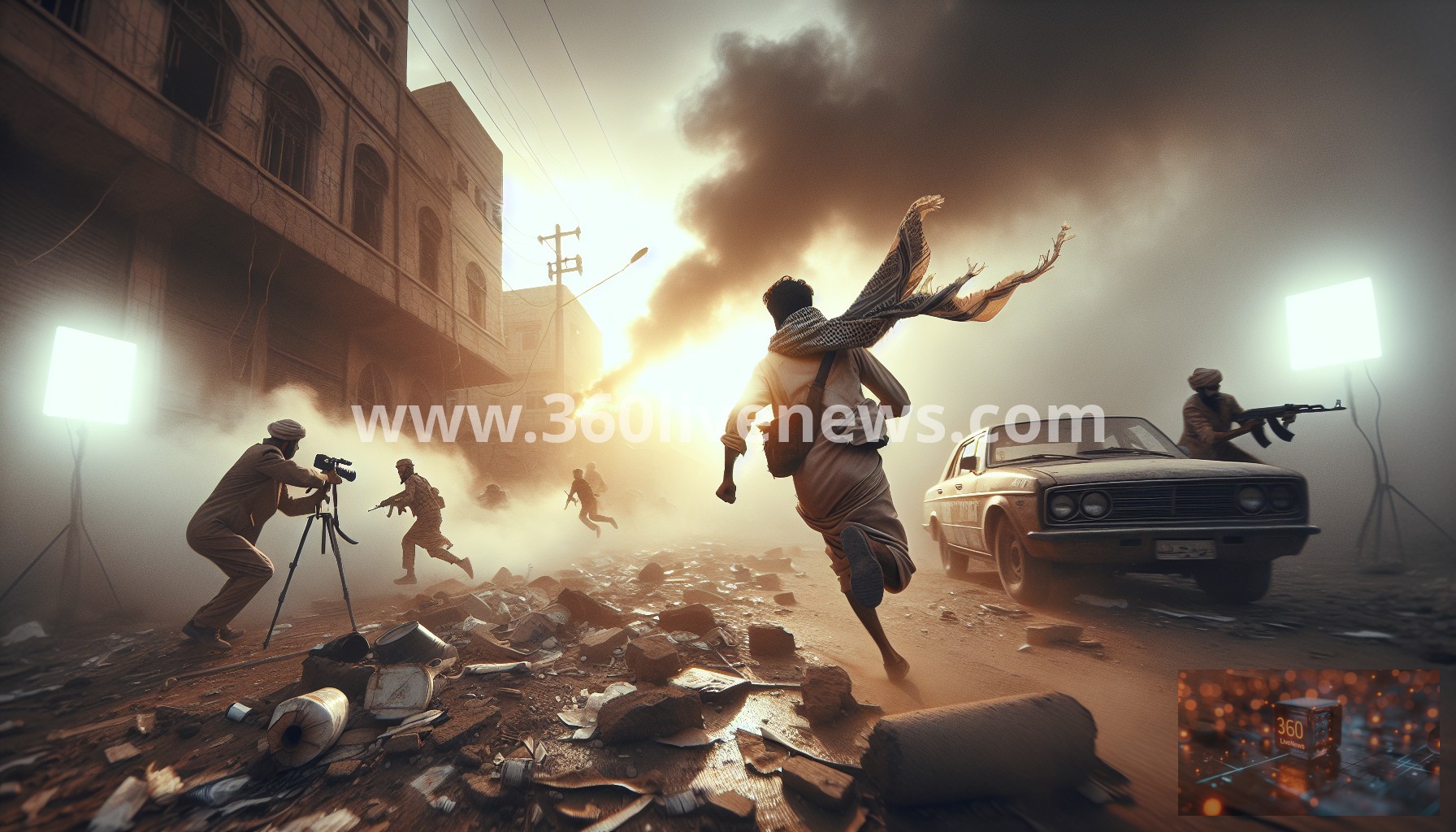
The protests initially began on December 28, 2023, over economic grievances, but have since escalated into a broader movement against the clerical establishment and Supreme Leader Ali Khamenei. Reports suggest that more than 2,000 protesters have been killed since the demonstrations sparked, with allegations of aggression from the Iranian government labeling the protests as "riots" driven by foreign adversaries. The civil unrest has been further exacerbated by the government’s severe crackdown on dissent, including internet blackouts and violent responses to crowd gatherings.
Pahlavi underscored the urgency for international intervention, specifically targeting the Islamic Revolutionary Guard Corps. He urged the international community to "degrade the regime's repressive capacity," suggesting that surgical strikes against the IRGC could help mitigate further loss of life during the protests. Despite his calls, U.S. President Donald Trump has not yet taken significant action, which concerns many supporters of the opposition.
The situation has become increasingly dire, with Iranian authorities intensifying their crackdown since the protests began. Pahlavi claims that elements within Iran’s security forces have opted not to engage against the demonstrators, which he believes signals potential fractures within the regime's support structures. He highlighted the contributions of foreign militias, reportedly brought in by Iranian officials to suppress the dissent, raising alarms about external influences in a domestic conflict.
The current wave of unrest was sparked by shopkeepers in Tehran striking over rising living costs and currency devaluation, which quickly morphed into widespread calls for regime change. Protest slogans have included demands for the downfall of Khamenei, with chants such as "Death to the dictator," signifying the public's fervent rejection of the existing theocratic government.
Human Rights Activists News Agency (HRANA) reported a toll of at least 2,453 deaths among demonstrators, including many civilians and members of the security forces. Another troubling statistic indicated that around 18,470 protesters have been arrested amid the unrest, showcasing the severity of the government’s response to the dissenting voices.
Concurrently, Iranian officials have begun designating protests as acts of internal conflict. This legal reclassification, according to statements from government representatives, has deemed public gatherings as criminal acts following a demonstration call made by Pahlavi for January 8, which has sparked alarm within the regime. Reactions have included increased threats of executions for detained protesters, as noted in a recent sermon by Ayatollah Ahmad Khatami, a leading hardliner within the Iranian government.
Khatami's rhetoric demonstrates a palpable fear among Iranian authorities regarding the protests, branding demonstrators as agents of foreign powers, specifically targeting the U.S. and Israel. His remarks, calling for brutal retribution against protesters, have raised concerns that such escalations could provoke a broader resumption of hostilities, perhaps even military responses from the United States, which has previously indicated red lines regarding the treatment of demonstrators in Iran.
As the tumult in Iran unfolds, the international community watches closely, with varying degrees of support for the protesters' cause. Pahlavi has stated that any leadership transition must ultimately be determined by the Iranian people, emphasizing the need for a governing program centered on the principles of individual liberties and the separation of religion and state. He advocates for a new constitution that aligns with these democratic ideals.
The ongoing protests in Iran reflect not only the population's struggle against economic hardship but also a deeper yearning for democratic reforms. As the situation continues to evolve, the potential for significant political change remains on the horizon, contingent upon internal dynamics and international response. The world awaits to see whether the calls for intervention will resonate or fall on deaf ears in light of the complex geopolitics surrounding Iran.
#IranProtests #RezaPahlavi #Democracy #HumanRights #InternationalIntervention #IranianRevolution
