Two-Week US-Iran Ceasefire May Allow Reopening of Strait of Hormuz Shipping
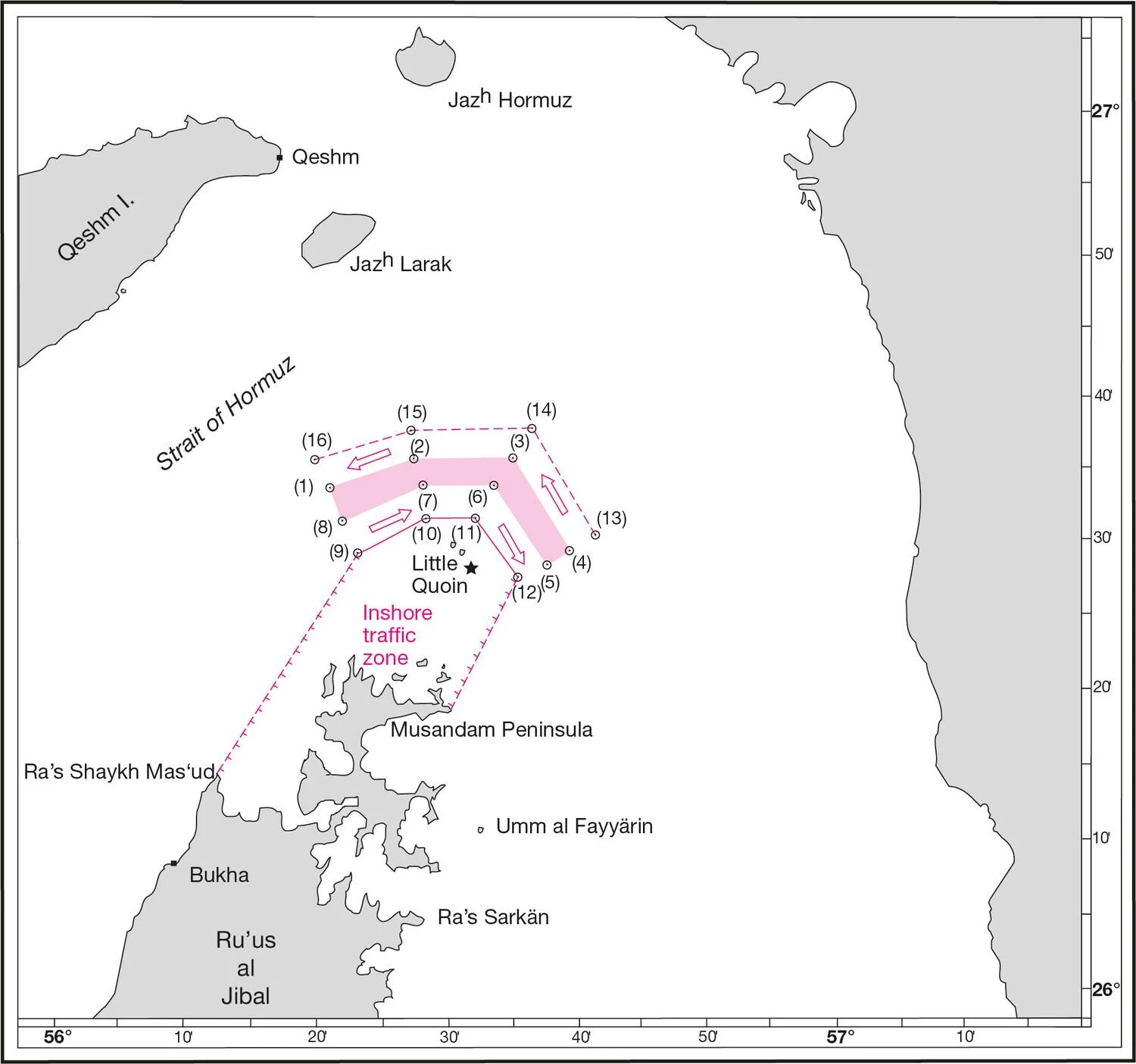
A two-week ceasefire between the United States and Iran has been announced with the potential to allow reopening of the Strait of Hormuz, a vital global shipping corridor. The strait is strategically significant as it facilitates roughly one-fifth of the world’s oil and gas exports. It is a narrow maritime passage measuring just 21 nautical miles at its tightest point, located between Iran and Oman. Since the conflict began at the end of February, maritime traffic has been severely disrupted. Normally, about 150 vessels transit the strait each day, according to the International Maritime Organization (IMO). However, the number of ships allowed safe passage has fallen to only four or five daily, limited to those deemed “non-hostile” by Iranian authorities. Currently, IMO estimates indicate approximately 2,000 vessels remain stranded in the Persian Gulf. This includes oil and gas tankers, bulk carriers, cargo ships, and six cruise liners. Around 20,000 seafarers are aboard these vessels, with many unable to disembark due to security concerns. The IMO has recorded 21 confirmed attacks on international shipping in the area since the conflict’s start, resulting in 10 seafarer deaths and several injuries. Damien Chevallier, Director of IMO’s Maritime Safety Division, stated that the ceasefire offers hope for evacuating the seafarers who have endured over a month in a tense and volatile environment. The IMO is collaborating with relevant stakeholders to implement a mechanism that will facilitate the safe transit of ships through the strait. The priority is ensuring navigation safety and preventing escalation of the conflict while focusing on evacuation. The Strait of Hormuz is governed under international maritime law frameworks, principally the UN Convention on the Law of the Sea (UNCLOS), which mandates freedom of navigation through international straits. Although Iran is not a party to UNCLOS, customary international law supports maintaining passage rights. Resumption of routine shipping depends on improvements in maritime security and risk assessments by ship operators. Diplomatic discussions are ongoing between the UN and regional actors to establish secure and efficient transit protocols, including adherence to the Traffic Separation Scheme established by Iran and Oman in 1968. The ceasefire’s durability and cooperative maritime coordination remain essential to allowing normal trade and safe passage through the Strait of Hormuz.
