Lebanon's Health System Overwhelmed by Deadly Israeli Airstrikes, 200+ Killed
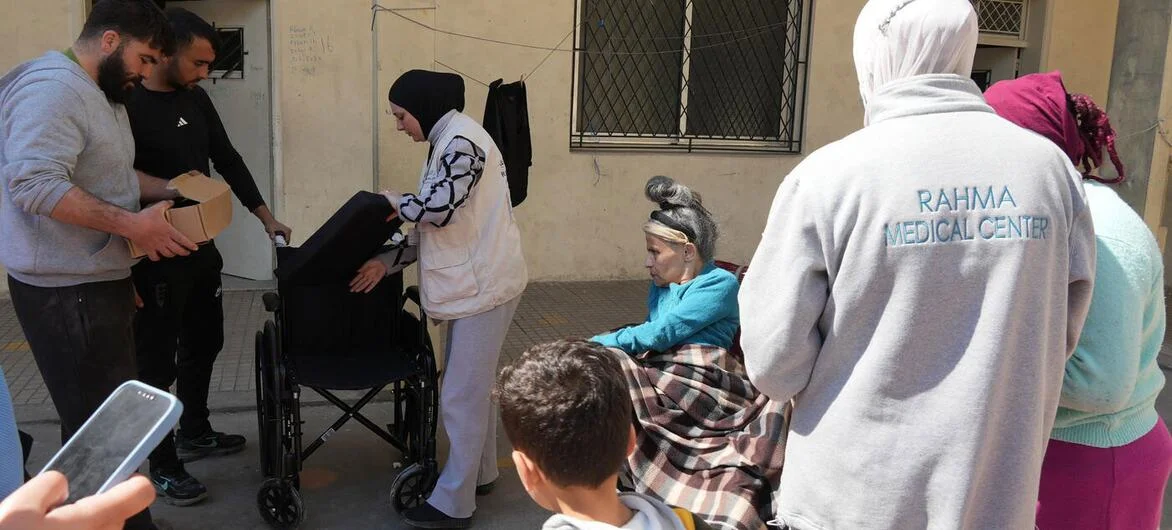
The scale and speed of destruction from the wave of airstrikes in Lebanon which began just hours after the US-Iran ceasefire announcement, has left the countryâs already strained health system struggling to cope, according to the World Health Organization (WHO). Abdinasir Abubakar spoke to UN News from Beirut and said that Wednesday marked âone of the deadliest single days in the current escalation of violenceâ in the country. In just minutes, multiple strikes hit densely populated areas, including the capital, Beirut, in the middle of the working day. âIn just 10 minutes, yesterday afternoon, explosions struck multiple locations, including densely populated civilian areas in the capital, Beirut,â he said, describing scenes of panic as civilians went about their daily lives without warning. The attacks resulted in a large number of civilian casualties. âThe interim assessment is reportingâ¦over 200 deaths and over 1,000 injuries. Among them, women and children,â Dr. Abubakar said, adding that first responders and healthcare workers were also among the dead and injured, with many victims still trapped beneath the rubble. Reflecting on the scale of the attack, he described it as âhorrific, very sad, is alarmingâ, recounting how he witnessed multiple strikes from his office in Beirut. âI could see in my window, actually, 10 different strikes in front of me, and buildings collapsing.â Hospitals across the country have been pushed to the brink. Emergency departments and trauma services are overwhelmed by the scale of injuries, while shortages of critical supplies are compounding the crisis. âHospitals actually have issued an urgent callâ to plug the gaps, he said, noting that mass casualty protocols have been activated nationwide. âHospitals continue to receive reports of the unidentified bodies, and body parts that have been recoveredâ, Dr Abubakar said, highlighting the devastation scale of the attack. The pressure on the health system is further intensified by ongoing attacks on healthcare. Since the escalation began, dozens of healthcare workers have been killed and many more injured. âMany of these healthcare workers were displaced themselves because they've been affected by the conflict and many of the healthcare attacks that happened in the last 40 days, killed over 50 healthcare workers, and have wounded over 150 healthcare workersâ, he added. Such attacks not only cost lives but also limit access to care for those in need. âWhen you kill healthcare workers and first respondersâ¦the end point is that you donât have first responders and ambulances,â Dr Abubakar warned, highlighting the wider impact on already vulnerable communities.
