UN Warns of Funding Shortfall Threatening Aid for Over a Million Sudanese Refugees in Chad
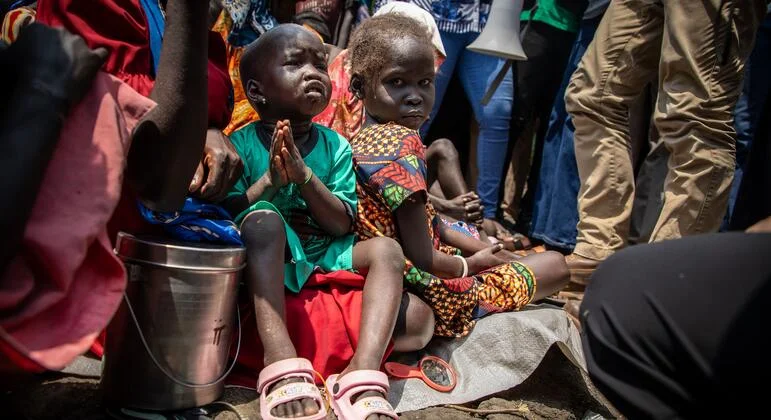
More than 1.3 million refugees from Sudan are currently hosted in Chad, with over 900,000 having arrived since armed conflict erupted in Sudan in April 2023. According to the UN refugee agency (UNHCR) and the World Food Programme (WFP), essential assistance including food and shelter to these refugees faces severe reductions due to a $428 million funding shortfall. Host communities in Chad continue to absorb new arrivals, nearly 15,000 so far this year, putting further strain on resources. Concurrently, the United Nations Human Rights Council’s Special Rapporteur on trafficking in persons, Siobhán Mullally, has sounded alarms regarding a surge in conflict-related trafficking in South Sudan. The conflict has displaced 1.4 million people from Sudan, adding to nearly two million internally displaced South Sudanese. This displacement has escalated trafficking, particularly affecting children, with reports of sexual slavery, forced pregnancies among girls, and forced recruitment of boys into armed groups. The expert called the situation a dire humanitarian crisis and urged activation of the African Union’s Hybrid Court to address impunity. Additionally, health officials in Burundi, supported by the World Health Organization, are investigating a mysterious illness outbreak in Mpanda district near the Democratic Republic of the Congo border. The illness has affected 28 people from mainly one household since late March, causing severe symptoms such as fever, vomiting, diarrhoea, blood in urine, jaundice, and anaemia. Tests for Ebola and Marburg viruses have been negative, with further analysis ongoing. A field team is currently coordinating efforts to strengthen surveillance and clinical response. Separately, the UN Human Rights Commissioner Volker Türk has expressed grave concerns over a decline in democratic freedoms in Serbia. He cited ongoing restrictions on civic space, attacks on critical media and opposition, voter intimidation during recent local elections, and police raids as undermining the integrity of democratic processes. The Commissioner has called on Serbian authorities for transparent investigations and accountability to restore public trust. These multiple humanitarian and governance crises highlight ongoing regional instability beginning with Sudan’s conflict and its widespread implications across neighboring states and within democratic institutions in the region.
