Middle East conflict fuels global oil shocks and humanitarian crisis
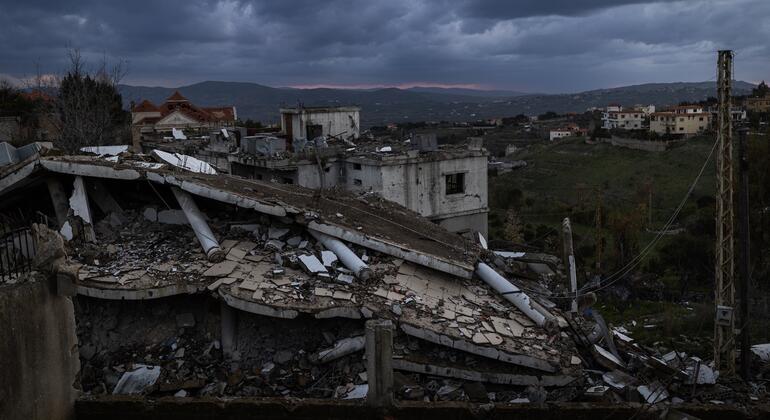
Violence in the Middle East is intensifying as Israel, Hezbollah, and Iran exchange strikes, extending instability across the region. Attacks targeting maritime routes, notably in the Strait of Hormuz and Gulf of Oman, have disrupted global energy shipments, driving crude prices close to $100 per barrel. This threatens economic stability beyond the region, affecting global markets and energy security.
The civilian toll is mounting, with widespread displacement and increased humanitarian needs. In response, United Nations agencies are expanding relief operations to support affected populations. The UN Security Council recently condemned Iranian attacks on regional states in a resolution led by Bahrain, though a broader Russian draft resolution failed to gain support, underscoring international divisions.
These developments affect millions within the Middle East, including civilians caught in the crossfire and those displaced by fighting. The disruption of oil shipments raises the risk of further economic fallout worldwide. The conflict’s ongoing escalation poses significant challenges to regional security and international diplomatic efforts.
