Al-Aqsa Mosque Remains Closed for 17th Day Amid Rising Tensions in Jerusalem
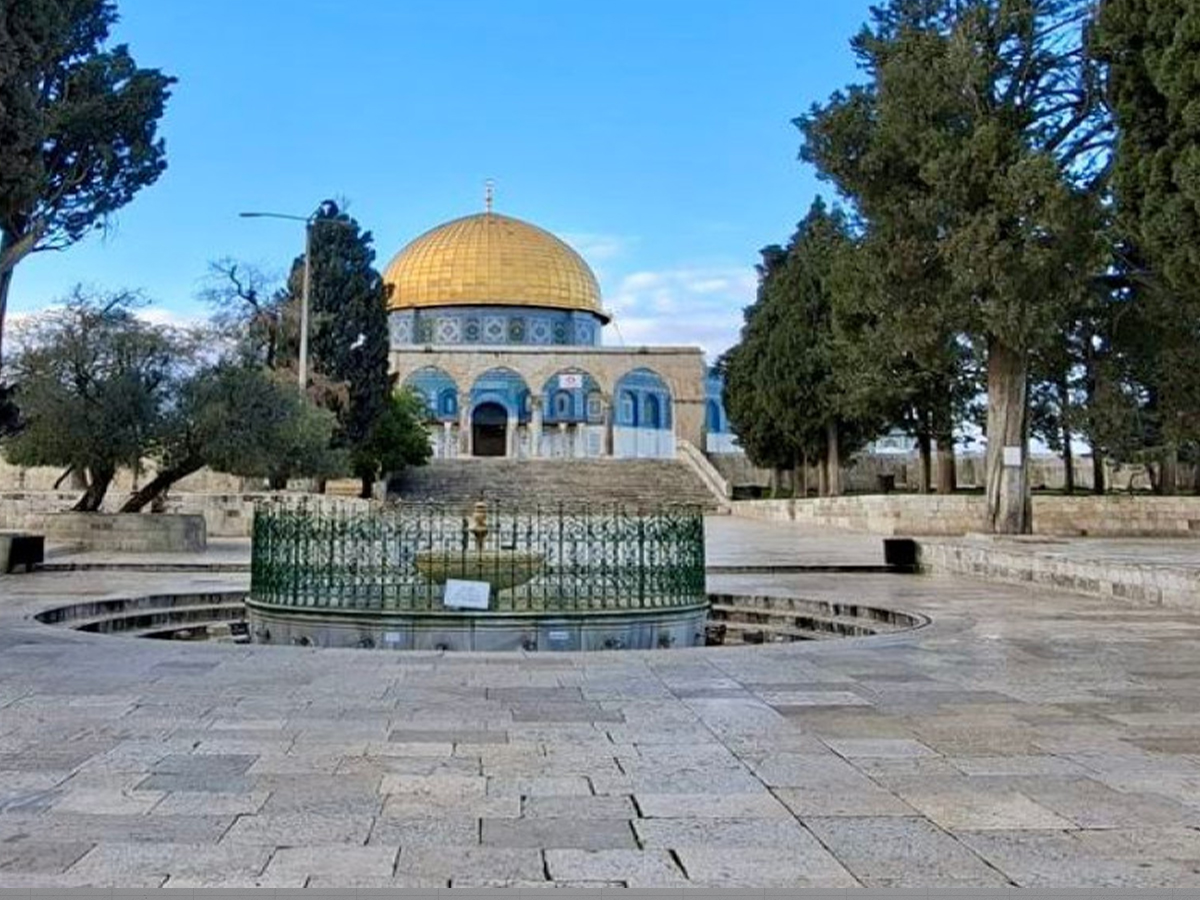
Israeli security forces have maintained a closure of the Al-Aqsa Mosque compound for 17 straight days, barring Palestinians from entering or worshiping at one of Islam's holiest sites. Officials point to security risks, but critics argue the extended closure is politically motivated. This is the longest shutdown since Israel seized control of East Jerusalem and the Old City in 1967.
The closure affects thousands of Palestinian worshippers during Ramadan, a period when attendance at the mosque typically surges. For the first time, key Ramadan rituals such as Taraweeh prayers and Itikaf retreats inside the mosque have been prohibited. Palestinian authorities and religious leaders warn this disruption could accelerate tensions and provoke unrest in the fragile city.
The Israeli government’s move is seen by Palestinians as part of a broader agenda to alter the mosque's status quo, which could destabilize already volatile relations in Jerusalem. With the deeply contested religious significance of Al-Aqsa, prolonged restrictions on worship risk sparking further violence and regional condemnation.
The escalating restrictions come amid growing incitement from extremist groups pushing to assert control over the site, increasing fears of potential clashes. The ongoing closure and rising tensions challenge prospects for peace and could intensify the cycle of violence in Jerusalem and beyond.
