Middle East Conflict Disrupts Asia-Pacific Fuel and Supply Chains, Sparks Inflation
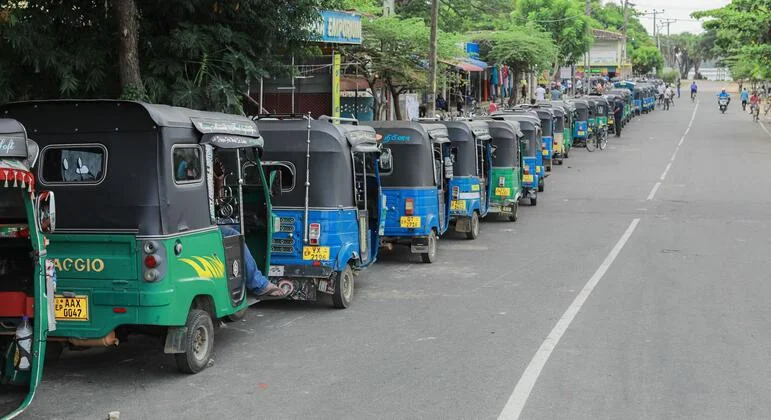
The ongoing war in the Middle East is causing significant disruptions throughout Asia-Pacific's fuel and supply chains. The Strait of Hormuz, a critical chokepoint, is at the heart of these interruptions, leading to sharp cost increases in freight, oil, natural gas, and fertilizers. This is triggering immediate economic strain, especially in fragile economies dependent on imported energy and agricultural inputs.
Countries across Asia and the Pacific are experiencing rising inflation, currency pressures, and financial market volatility as a result. Essential goods and fuel prices have surged, leading to rationing measures in some areas and threatening job stability and food security for millions. Vulnerable communities relying on remittances and imports are particularly at risk of economic destabilization.
UN experts warn the fallout will extend beyond immediate price shocks. They expect weaker export performance, mounting inflationary pressures, and growing public and corporate debt burdens that could impair regional economic recovery. The disruptions underscore global interdependencies and the broad-reaching consequences a Middle East conflict can have on distant economies reliant on safe maritime passage and steady energy flows.
As the conflict continues, monitoring and mitigating the cascading economic impacts will be vital to prevent deepening instability in Asia-Pacific’s developing countries and preserving critical supply chain functions linking global markets.
