WHO Urges Wider Use of Faster, Cheaper TB Tests to Combat Deadly Lung Disease
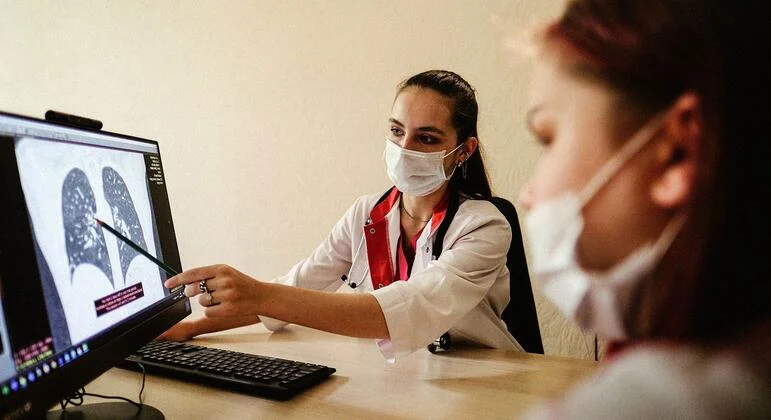
The World Health Organization has spotlighted tuberculosis as one of the world’s deadliest infectious diseases, killing more than 3,300 people every day. While TB is largely preventable and treatable, delays in diagnosis have hindered control efforts. The WHO released new guidelines recommending rapid, near-point-of-care molecular tests that cost half as much as existing methods.
These innovations, including tongue swab testing, are battery-operated and produce results in less than an hour. This allows patients to start treatment more quickly, reducing transmission and improving outcomes. Southeast Asia bears nearly 40% of TB deaths worldwide, highlighting the urgent need for better diagnostic access there.
Faster diagnosis facilitates timely antibiotic treatment, particularly with rifampicin, improving survival rates and limiting spread. By promoting these cheaper, accessible tools, the WHO aims to accelerate progress toward ending TB. Expanding testing in resource-limited settings could transform TB control globally, especially in high-burden countries.
The new approaches also relieve reliance on existing infrastructure and costs, making TB detection more feasible in remote areas. This could lead to significant reductions in mortality and help break chains of infection in some of the world’s most affected communities.
