Persian Gulf conflict sharply disrupts global food, energy supplies, warns UN FAO
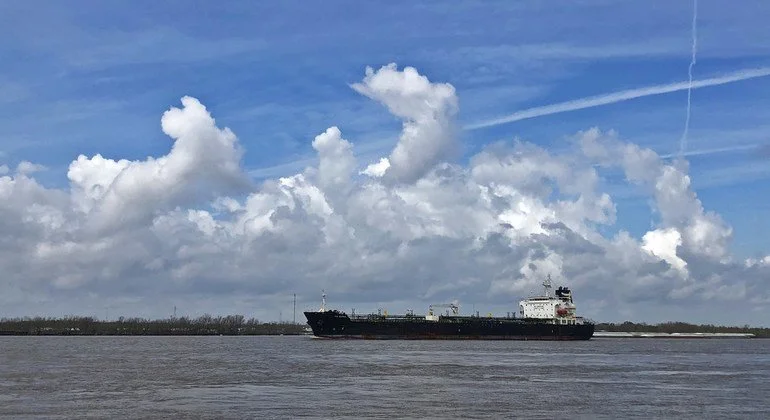
The intensifying conflict in the Persian Gulf region has triggered a major disruption to global commodity flows, with UN Food and Agriculture Organization Chief Economist Máximo Torero revealing that tanker traffic through the strategic Strait of Hormuz has fallen by over 90%. This waterway typically channels around 35% of the world's crude oil, approximately 20 million barrels daily, as well as 30% of global fertilizer trade and a fifth of liquefied natural gas shipments.
The cutbacks are straining global agricultural production, as fertilizer shortages and energy supply disruptions ripple through farming sectors worldwide. These challenges not only affect farmers but also impact millions of migrant workers reliant on agricultural industry jobs. The situation poses an acute threat to global food security, potentially triggering price spikes and shortages.
Torero emphasized the urgency of resolving the conflict quickly to prevent worsening the disruption, warning that time is running out to address these cascading impacts. The decline in critical energy and fertilizer flows from the Persian Gulf region underlines how geopolitical tensions can swiftly translate into widespread economic and humanitarian risks.
The unfolding crisis highlights the vital role of the Persian Gulf in global supply chains and signals potential long-term consequences if the conflict continues unchecked, especially for vulnerable populations dependent on stable food and energy markets.
