UK Prepares Mine-Clearing Vessel with Drones for Possible Deployment to Strait of Hormuz
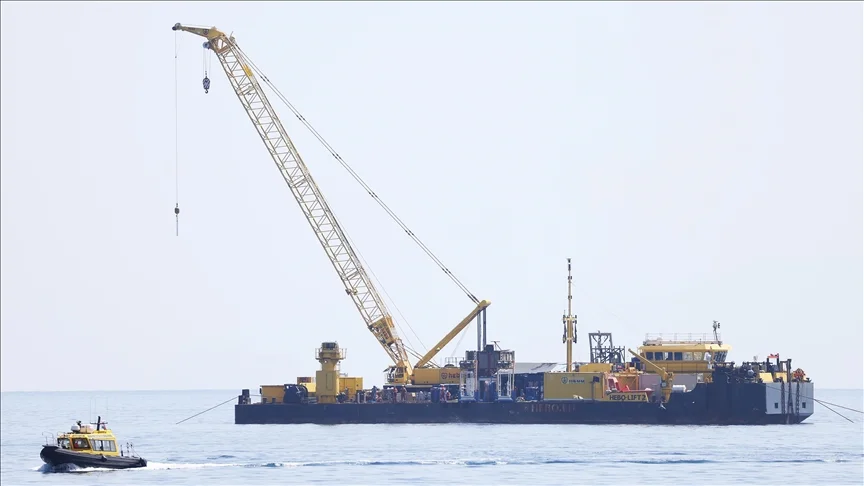
The United Kingdom is preparing to deploy the Royal Fleet Auxiliary vessel Lyme Bay to the Strait of Hormuz, a critical international shipping lane known for recent regional volatility. The 580-foot Bay-class amphibious ship will be equipped with autonomous underwater drones and mine-hunting boats, transforming it into a mobile base for clearing naval mines. This capability is crucial given the ongoing risks of maritime mines disrupting commercial and military navigation in the area.
Currently undergoing routine maintenance in Gibraltar, Lyme Bay had initially been slated for training exercises in the Mediterranean. However, the UK’s Defense Secretary John Healey has approved contingency plans to send the vessel to the Gulf amid increasing threats to maritime security. The deployment would bolster efforts to ensure safe passage for global energy supplies and commercial vessels navigating the waters.
The potential deployment signals the UK’s commitment to stabilizing a region facing heightened military tensions and underscores the strategic importance of the Strait, through which a significant percentage of the world's oil passes. Autonomous mine-clearing technology enhances operational effectiveness while minimizing risks to personnel. The move also positions the UK alongside allied powers seeking to maintain open shipping routes amid broader geopolitical challenges in the Middle East.
This effort impacts global trade and energy markets, as any disruption in the Strait of Hormuz has broad economic consequences. It also highlights the rising role of autonomous systems in modern naval security operations in contested maritime zones.
