20,000 Seafarers Stranded in Strait of Hormuz Amid Middle East Conflict
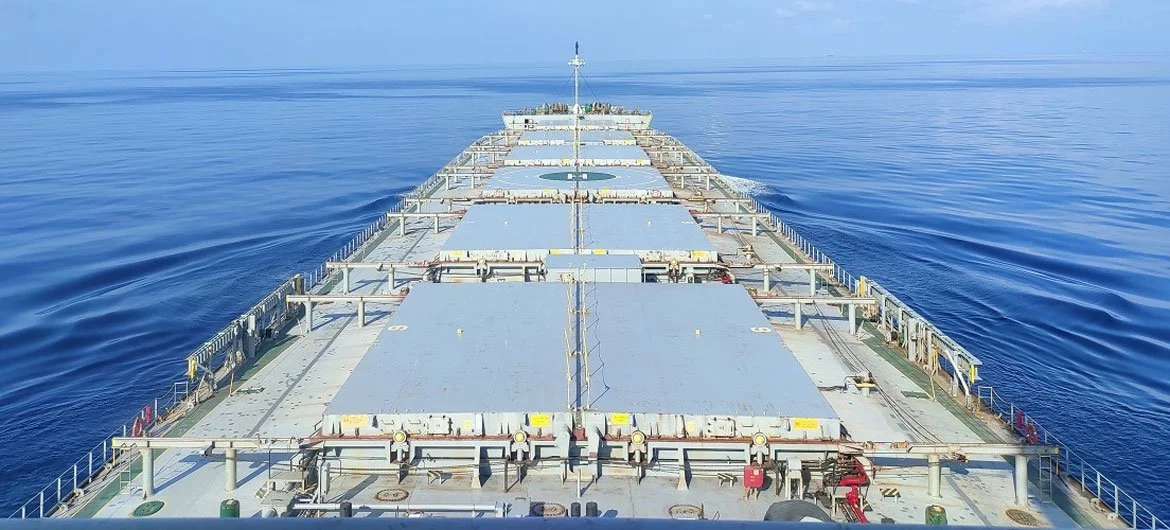
An estimated 20,000 seafarers remain stuck on approximately 2,000 vessels in the Strait of Hormuz, a critical chokepoint for global oil transport. Ships including oil and gas tankers, cargo carriers, and six cruise liners are unable to pass freely due to the ongoing conflict in the region. Iran, which borders the northern side of the strait, has declared it will only permit 'non-hostile' ships through, drastically reducing daily ship traffic from around 150 vessels before the war to just four or five now.
This unprecedented disruption in the post-World War II era poses significant risks to the safety of crew members trapped onboard and threatens international energy markets reliant on smooth passage through the strait. The delay and blockade of vessels complicate global supply chains, potentially leading to shortages and price spikes. Two Chinese-flagged cargo ships recently managed to attempt transit, highlighting the difficulty and danger of navigating this war zone.
The constricted maritime passage has heightened geopolitical tensions, as countries dependent on energy exports and imports seek alternative routes or diplomatic solutions. The humanitarian impact on the seafarers strained by extended isolation and hazardous conditions on these ships is also alarming, drawing attention to the broader consequences of regional hostilities on civilian lives and global commerce.
Given the strategic importance of the Strait of Hormuz and the volatility of the ongoing Middle East conflict, the situation remains fluid with the potential to escalate further, affecting regional stability and the global economy.
