Initiative may be slipping away from US and Israel as Middle East crisis deepens
There is little sign of imminent regime change in Iran as its blockade of strait of Hormuz shocks global economyMiddle East crisis – live updatesFew doubt that in the first days of the new war in the Middle East, the initiative belonged to the US and its ally Israel. Now it seems less sure, however.Mohsen Rezaee, a senior officer in Iran’s Revolutionary Guards, on Sunday said “the end of the war is in our hands” and called for the withdrawal of Washington’s forces from the Gulf and compensation for all damage caused by the assault. Continue reading... [Continue Reading]


Global tensions rise as Trump calls for allied warships in the Strait of Hormuz amid Iranian disruptions
Global tensions surrounding the Strait of Hormuz have surged following a direct call from U.S. President Donald Trump for allied nations to deploy warships to the vital shipping corridor, which has been subjected to disruptive actions by Iran. Countries such as the United Kingdom, China, Japan, and South Korea are still deliberating their response to this request, as stated by multiple sources. The Strait of Hormuz, critical for international oil supplies, is currently facing violent blockades enforced by Iranian forces, impacting shipping security in a region that accounts for approximately a fifth of global oil transportation. President Trump's urging for... [Continue Reading]

Kuwait and UAE Warn of Rising Regional Military Tensions Amid Iranian Aggression
Kuwait’s foreign minister, Sheikh Jarrah Jaber Al-Ahmad Al-Sabah, engaged in a phone call with UAE’s deputy prime minister and foreign minister, Sheikh Abdullah bin Zayed Al Nahyan, discussing the rising military tensions in the Middle East. Their conversation focused on recent escalations and Iranian aggression targeting neighbouring countries. The talks underline the heightened unease among Gulf Cooperation Council (GCC) members about Iran’s increasingly hostile actions, viewed as destabilizing forces that threaten both regional security and international stability. These developments could impact trade routes and energy supplies critical to the global economy. Both officials exchanged views on managing the serious consequences... [Continue Reading]
 360LiveNews | 15 Mar 2026 13:27


Trump Warns of Potential Strikes on Iran's Kharg Island Amid Rising Tensions with Tehran
U.S. President Donald Trump's recent threats concerning Iran's Kharg Island highlight an intensifying confrontation between Washington and Tehran. Trump has warned of potential further strikes on the vital oil export hub, asserting that previous assaults had "totally demolished" the facility. This latest development comes as Iran prepares for a heightened response, prompting calls from the U.S. president for allied nations to deploy warships to secure the strategically significant Strait of Hormuz. Reports indicate that prior U.S.-Israeli operations have resulted in significant casualties and infrastructural damage within Iran. Specifically, a recent strike in Isfahan allegedly killed at least 15 individuals, according... [Continue Reading]


Trump urges international allies to assist in securing Strait of Hormuz amid escalating tensions with Iran
As tensions escalate in the Gulf region following military actions from the United States and Israel against Iran, US President Donald Trump has called on France, the United Kingdom, China, Japan, and South Korea to assist in maintaining security in the strategically vital Strait of Hormuz. This plea comes as the conflict enters its third week, disrupting maritime operations critical to global oil transport, with the strait historically facilitating the passage of approximately 20% of the world's oil and gas. On Saturday, Trump expressed his hopes for the deployment of naval ships from these nations to cooperate with US forces... [Continue Reading]

US Military Strikes Iranian Oil Infrastructure in Persian Gulf Amid Rising Tensions
US Military Targets Iranian Oil Infrastructure Amid Escalating Conflict - Developing story The ongoing conflict involving the United States and Iran has intensified recently, with significant military actions reported in the strategic Persian Gulf region. Most notably, President Donald Trump announced that US forces have "obliterated" military targets on Iran’s Kharg Island. This location is critical to Iran’s oil export system, serving as a vital link between the country's extensive oil reserves and the global market. The escalation follows Trump's commitment to address Iranian aggression toward shipping operations in the Strait of Hormuz, a pivotal waterway that facilitates the movement... [Continue Reading]
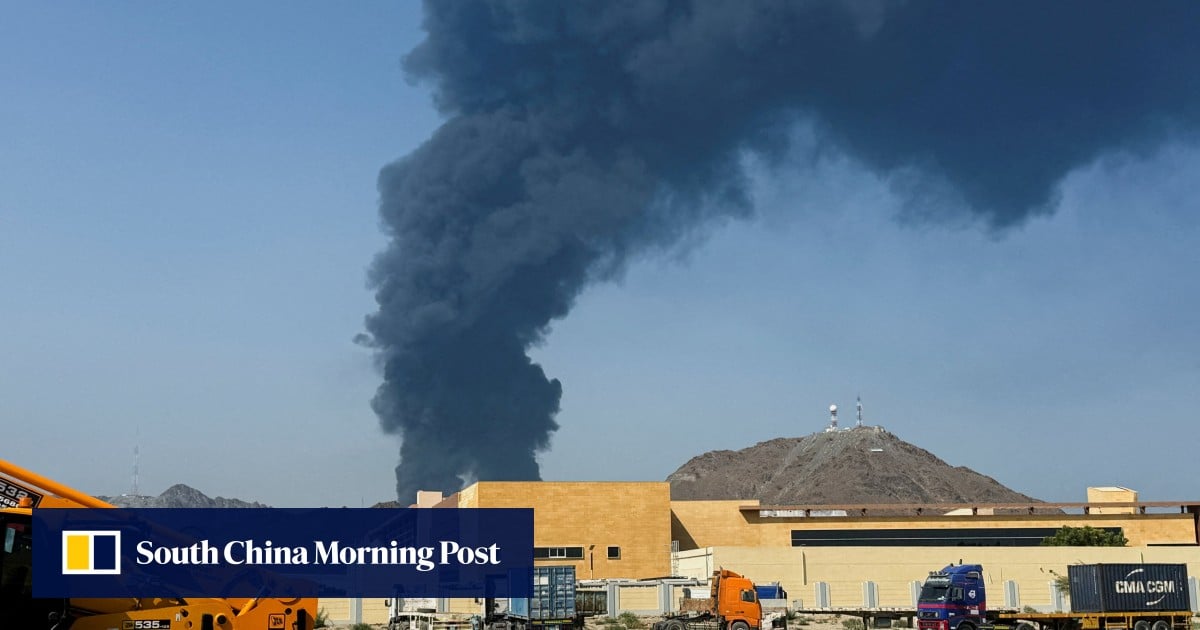
Iran war entering ‘decisive phase’, Israel says, as attacks continue
Israel said the war against Iran was entering its “decisive phase” on Saturday, as explosions rocked cities across the Middle East, with strikes on the US embassy in Baghdad and a major Emirati energy facility. Washington’s embassy in Iraq was hit by a drone, security sources said, the second time it had been targeted since February 28, when the United States and Israel attacked Iran and plunged the Gulf into a conflict that has sent shock waves through the global economy. Millions have been... [Continue Reading]

'Iran must not be allowed to hold global economy hostage,' UAE minister tells Euronews
In an interview with Euronews, UAE Minister of State Lana Nusseibeh appealed to the world that Iran’s "rogue state behaviour" must not be allowed to hold the global economy hostage. [Continue Reading]
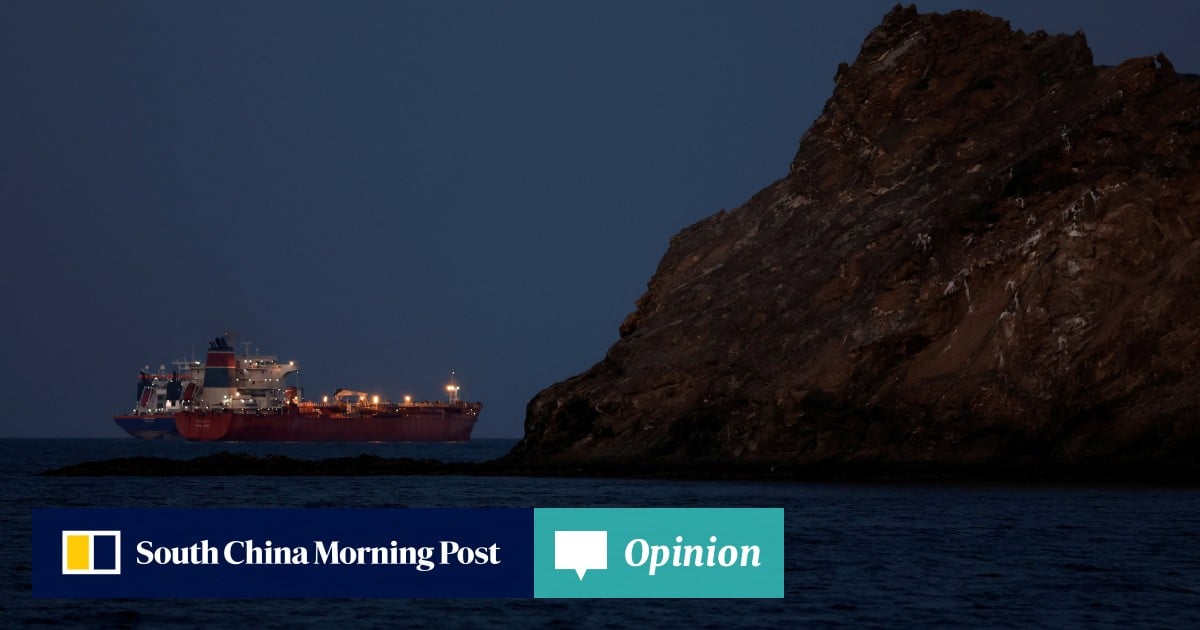
Trump and Netanyahu’s Iran quagmire is wrecking the global economy
A declining superpower and an aspiring regional hegemon make a deadly combination. The warmongering duo of the United States and Israel have now given the world an illegal and potentially catastrophic war in Iran. It’s a tragic irony that both countries have a culture of extreme self-righteousness, with a constant army of apologists telling others they must stand up to evil wherever it exists because if they don’t, it will come for them one day. Well, that day is here, but guess who’s committing... [Continue Reading]
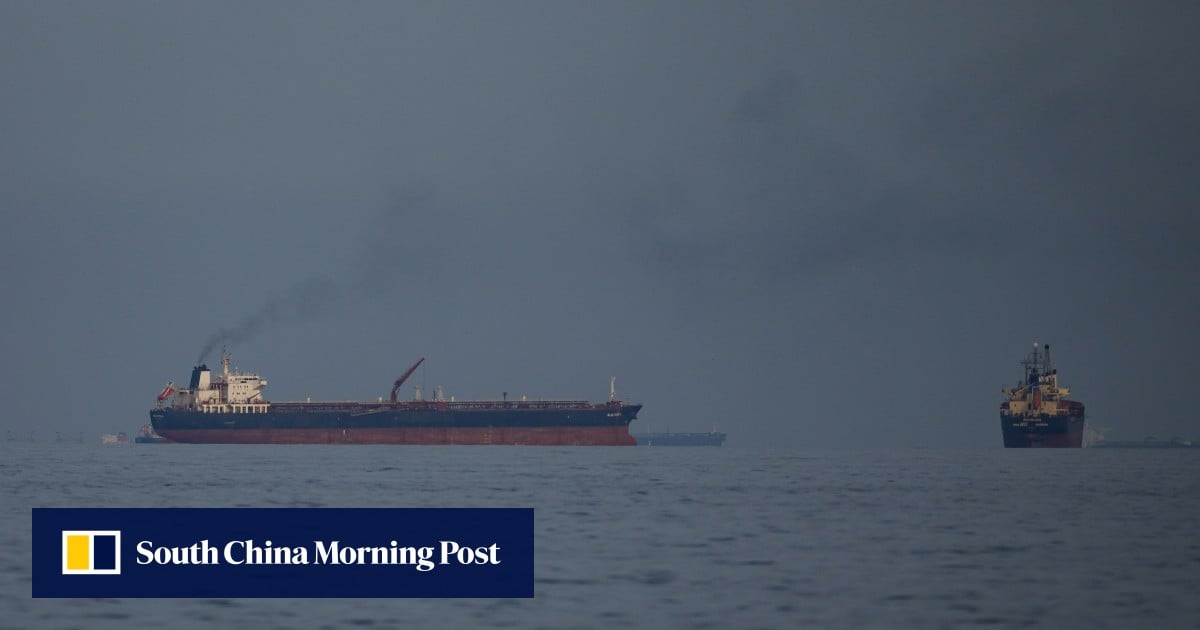
UK says Russia, Iran trying to ‘hijack global economy’ amid Hormuz blockade
UK Foreign Secretary Yvette Cooper has accused Russia and Iran of attempting to “hijack the global economy” as Tehran continued to blockade a major oil shipping route. Iran’s new supreme leader has vowed to continue attacking shipping in the Strait of Hormuz in retaliation for ongoing US-Israeli strikes on his country. The blockade has seen oil prices jump to around US$100 per barrel, threatening higher inflation across the globe. Speaking to the media during a visit to Saudi Arabia, the UK... [Continue Reading]

In first public comments, Iran’s supreme leader pledges to keep fighting
Iran’s secretive new leader issued his first public statements Thursday, resolving to keep fighting, promising more pain for Gulf Arab states and threatening to open “other fronts” in a war that has already disrupted world energy supplies, the global economy and international travel. [Continue Reading]


Iran Intensifies Military Operations in Gulf, Targeting Oil Tankers Amid Rising Tensions with US and Israel
Iran has escalated its military operations in the Gulf region, targeting oil tankers and critical infrastructure in retaliation for ongoing conflicts with US and Israeli forces. This recent wave of attacks marks a significant development in the broader Middle East war, as Iran seeks to assert its influence and send a message of resilience amidst both domestic and international challenges. On March 12, Iranian explosives struck two oil tankers off the coast of Iraq, adding to the growing tensions in the Strait of Hormuz, a crucial transit route for global oil supplies. This incident brings the total number of reported... [Continue Reading]


US-Israel and Iran Conflict Intensifies with Over 1,300 Civilian Casualties Amid Ongoing Military Strikes
The conflict between the United States and Israel on one side and Iran on the other has intensified, marking the 13th day of strikes that have resulted in significant civilian casualties. Reports indicate that at least 1,348 civilians have lost their lives amid the ongoing military actions, affecting the stability of the region and contributing to global economic volatility, particularly in oil markets. As tensions escalate, Iranian President Masoud Pezeshkian has articulated three primary conditions for a cessation of hostilities: the recognition of Iran’s legitimate rights, the provision of reparations, and secured international guarantees to prevent future aggression. These statements... [Continue Reading]
US military destroys 16 Iranian mine-laying vessels in the Strait of Hormuz amid rising tensions over shipping lane security
Recent military actions have escalated tensions in the Strait of Hormuz, a crucial shipping lane for global oil supplies. The US military confirmed that it has targeted and destroyed 16 Iranian mine-laying vessels near this vital waterway, following reports of Iran laying several mines in the region. This area, only 21 miles wide at its most narrow point, is a critical passageway for approximately one-fifth of the world's oil supply, making the recent developments particularly concerning for global markets. The US military's actions were prompted by rising intelligence reports indicating that Iran's Islamic Revolutionary Guard Corps (IRGC) had begun laying... [Continue Reading]


Oil prices drop to approximately $91.70 per barrel after Trump comments on Israel-Iran conflict resolution
In a significant turn of events, oil prices have dropped dramatically after former US President Donald Trump stated in a recent CBS News interview that the ongoing conflict involving Israel and Iran could conclude "very soon." This announcement has dissipated fears surrounding a potential deepening energy supply crisis, which had previously driven Brent crude oil prices up to a staggering $119.50 per barrel. Following Trump's statement, prices rebounded to approximately $91.70 a barrel within a span of hours. The shift in oil prices reflects a broader response from global financial markets. The FTSE 100 and other European indexes have seen... [Continue Reading]


US-Israel Conflict with Iran Escalates, Leading to Rising Crude Oil Prices and Global Economic Concerns
The conflict between the United States and Israel against Iran continues to escalate, significantly impacting global oil markets. As the war restricts oil exports from the Gulf region, producers are beginning to cut output, resulting in a substantial supply shock. Recent reports indicate that crude oil prices are approaching $85 per barrel, a significant increase that has caused turmoil in financial markets, heightened gasoline prices at the pump, and intensified economic concerns worldwide. This development stresses the global economy's precarious reliance on energy supplies from the Middle East. Currently, approximately 20% of the world's crude oil supply transits through the... [Continue Reading]
Iran Launches Drone Attacks on Saudi Arabia and Kuwait Amid Escalating Middle East Conflict
The conflict in the Middle East is escalating as Iran has initiated drone attacks targeting neighboring Saudi Arabia and Kuwait, marking a significant intensification in hostilities. Early reports indicate that on Tuesday, Iran fired numerous drones, which the Saudi Defense Ministry claims were intercepted over its oil-rich eastern region, while Kuwait's National Guard successfully downed some over various areas of the country. This offensive occurs as the conflict approaches its 11th day, following recent US-Israeli strikes against Iranian targets that have heightened regional tensions further. On February 28, the US and Israel conducted airstrikes on Iran, prompting retaliatory actions and... [Continue Reading]


US State Department Orders Evacuation of Diplomats from Turkey and Saudi Arabia Amid Escalating US-Iran Conflict
The US-Iran conflict escalates further as the US State Department has ordered additional diplomats to evacuate from Turkey and Saudi Arabia. This decision follows heightened tensions due to Iranian counterattacks, raising concerns over the safety of American personnel in the region. The evacuation underscores the precarious situation as hostilities continue since the killing of Iranian Supreme Leader Ayatollah Ali Khamenei on February 28, which has escalated military operations involving US and Israeli forces against Iranian assets. In a recent overview, it has been reported that since the onset of the conflict, the US and Israel have conducted airstrikes on 5,000... [Continue Reading]