US-Israel and Iran Conflict Intensifies with Over 1,300 Civilian Casualties Amid Ongoing Military Strikes
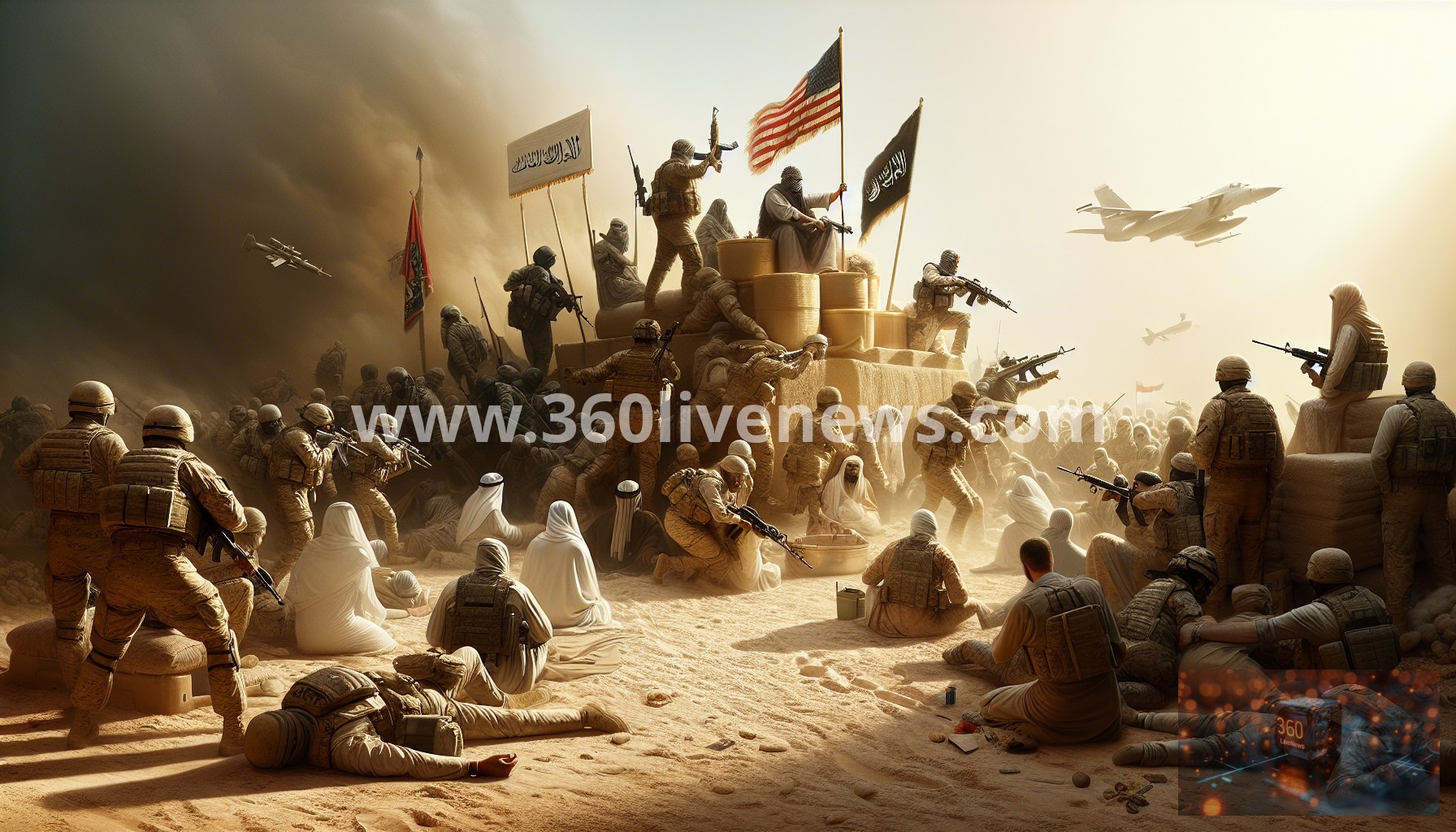
The conflict between the United States and Israel on one side and Iran on the other has intensified, marking the 13th day of strikes that have resulted in significant civilian casualties. Reports indicate that at least 1,348 civilians have lost their lives amid the ongoing military actions, affecting the stability of the region and contributing to global economic volatility, particularly in oil markets.
As tensions escalate, Iranian President Masoud Pezeshkian has articulated three primary conditions for a cessation of hostilities: the recognition of Iran’s legitimate rights, the provision of reparations, and secured international guarantees to prevent future aggression. These statements come in response to the heightened offensive, which has seen Iran engage in retaliatory actions targeted at disrupting energy markets. The war's implications on energy prices have been profound, with rising costs now impacting consumers worldwide.
French President Emmanuel Macron has responded to the crisis with a measured approach, condemning the military onslaught while also asserting Iran's primary role in the conflict's escalation. Macron's position, characterized as a delicate balancing act, reflects the longstanding complexities of France's relationship with Iran, particularly in light of the historical connections dating back to the Iranian Revolution.
Laure Foucher, a researcher at the French think tank Fondation pour la Recherche Strategique, noted that France is navigating a "fine line" in its response to the conflict. The French government faces pressure domestically and from its European partners to take a stand while also risking further entanglement in a war that many observers fear could spiral out of control. This balancing act is further complicated by France's historical ties to both the Iranian leadership and its role as a key player in European diplomatic initiatives.
The military actions came following the death of Iran's Supreme Leader, Ayatollah Ali Khamenei, which has left a power vacuum and heightened tensions as various factions within Iran vie for influence. The strikes carried out by the US and Israel have been described by some analysts as an attempt to dismantle Iran's military capabilities in response to its nuclear aspirations and regional influence.
The situation has not only affected civilian lives on the ground but has also caused a ripple effect throughout the global economy, particularly with respect to oil prices. As Iran retaliates, it threatens to disrupt trade routes, particularly in the vital Strait of Hormuz, through which a significant percentage of the world's oil supply passes. Existing cyberattacks are further intensifying these disruptions, creating a precarious environment for international shipping and market stability.
Beyond the humanitarian toll, the conflict has significant geopolitical implications. Iran has positioned itself as a counterweight to US and Israeli interests in the Middle East, and any Western engagement in the region will need to contend with these dynamics. European nations, including France, are particularly cautious due to their historical relations and the potential for broader military escalation that could draw NATO allies into the fray.
The broader pattern here indicates that the event is not simply an isolated incident but rather a continuation of long-standing geopolitical tensions in the Middle East. Diplomatic relations have been strained since the wake of various historical conflicts and agreements, including the Iran nuclear deal, which many believe laid the groundwork for ongoing distrust and animosity. With military strikes ongoing, understanding the full scope and ramifications of this conflict remains crucial.
As daily life for many Iranians becomes increasingly untenable due to the conflict's ramifications, calls for peace and humanitarian support grow louder. Aid organizations express concern over the dire situation as they struggle to provide necessary assistance amidst ongoing hostilities. The potential for a humanitarian crisis looms large if diplomatic talks do not emerge soon, emphasizing the urgency of international involvement to achieve a resolution.
In summary, the situation in Iran continues to evolve dramatically, with daily reports highlighting a growing humanitarian disaster and rising global implications. The ongoing conflict underscores the complexities of international relations and the delicate balance countries must strike when engaging in a region marked by enduring conflict and division.
#Iran #MiddleEast #USIsraelWar #France #Macron #StraitOfHormuz #OilPrices #HumanitarianAid #CivilianCasualties #EnergyCrisis #Peace #Diplomacy
