US military operations in Iran escalate with bridge destruction, resulting in eight fatalities and multiple injuries
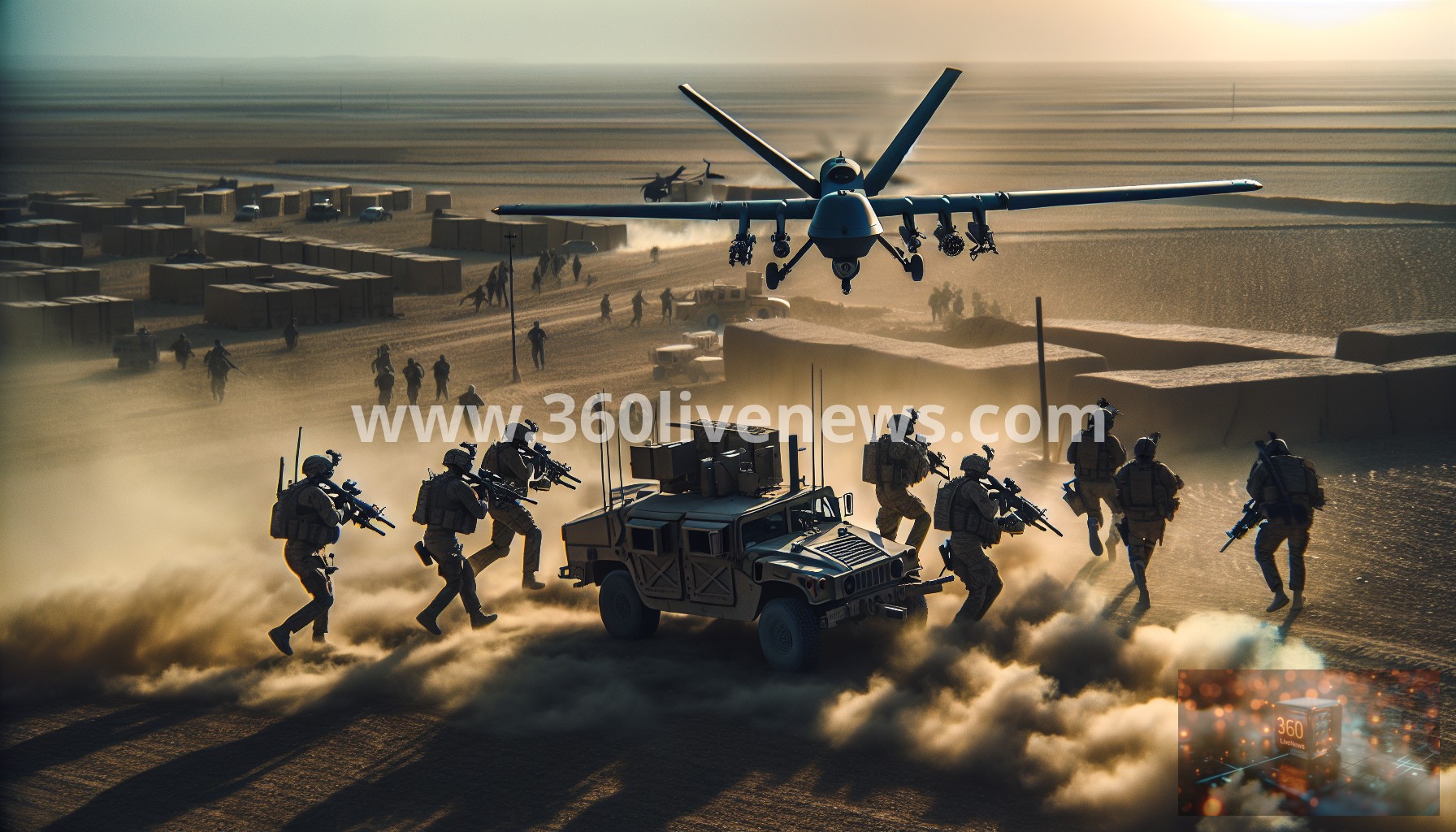
The ongoing military operations led by the United States in Iran have escalated this week, with reports confirming the destruction of a vital bridge in the country. This strategic strike has reportedly resulted in eight fatalities and left many others injured, further intensifying tensions in a conflict that has now extended into its second month. These operations follow President Donald Trump’s assertions of success and nearing completion regarding the objectives of the military campaign.
In a recent address from the White House, President Trump cited significant achievements in Iran, claiming that the U.S. had successfully executed regime change by toppling the government and addressing key figures such as the former Supreme Leader Ayatollah Ali Khamenei. However, this announcement has been met with skepticism from analysts and observers, who argue that the realities on the ground may not match the President's optimistic portrayal. The situation in Iran remains complex, with participants on various sides questioning the sustainability of military actions and their long-term implications.
As confirmed by reports, the U.S.-led operations include repeated airstrikes targeting Iranian military infrastructure. The operation aims to disrupt Iran's capabilities to project power in the region, in response to previous aggressions against U.S. interests and allies, particularly Israel. The geopolitical ramifications of these actions are being closely monitored, given the potential for a broader conflict that could draw in multiple regional actors.
The recent military escalation comes amid heightened tensions between the United States and various factions in Iran. French President Emmanuel Macron publicly responded to Trump's recent comments about him, which added another layer of diplomatic strain. The President's remarks and the subsequent diplomatic fallout illustrate the ongoing complexities surrounding U.S. foreign policy in the Middle East.
Official statements from the White House and military authorities have underscored their commitment to containing Iranian influence and addressing the threats posed by Iranian-backed groups across the region. This aggressive stance follows a pattern of previous U.S. engagements, notably after the assassination of key Iranian generals. Such operations have historically triggered forceful responses from Iran, raising concerns about retaliation aimed at U.S. assets or personnel in the area.
In the context of international relations, the current U.S. strategy can be perceived as a continuation of a long-standing approach towards Iran that emphasizes military readiness. However, experts argue that this could lead to a dangerous escalation, particularly if regional powers such as Russia or China decide to intervene or support Iran more actively in response to U.S. actions. The ramifications could extend beyond the immediate conflict zone, destabilizing broader geopolitical dynamics.
Additionally, the conflict draws attention to an ongoing debate regarding the effectiveness of military intervention as a means of achieving diplomatic objectives. Critics of the Trump administration's approach caution that escalation could hinder any prospects for peace negotiations, while advocates argue that decisive military action is necessary to deter Iranian expansionism in the region.
The international community remains divided on the U.S. approach, with some nations expressing support for military action while others, including European allies, urge for diplomatic dialogue and restraint. The complexities within NATO and the European Union regarding this matter raise questions about the long-term strategy of the U.S. and its allies in managing relations with Iran moving forward.
The situation in Iran remains fluid and contingent upon further developments on the ground. With the U.S. military already mobilized and engaged, the coming days will likely prove critical in determining the trajectory of this ongoing conflict, as military, diplomatic, and public perceptions evolve in tandem.
#Iran #UnitedStates #Trump #MilitaryAction #InternationalRelations #NATO France">#France #Geo-Political
