At least 43 dead in Allied Democratic Forces attack in Ituri province, Democratic Republic of Congo
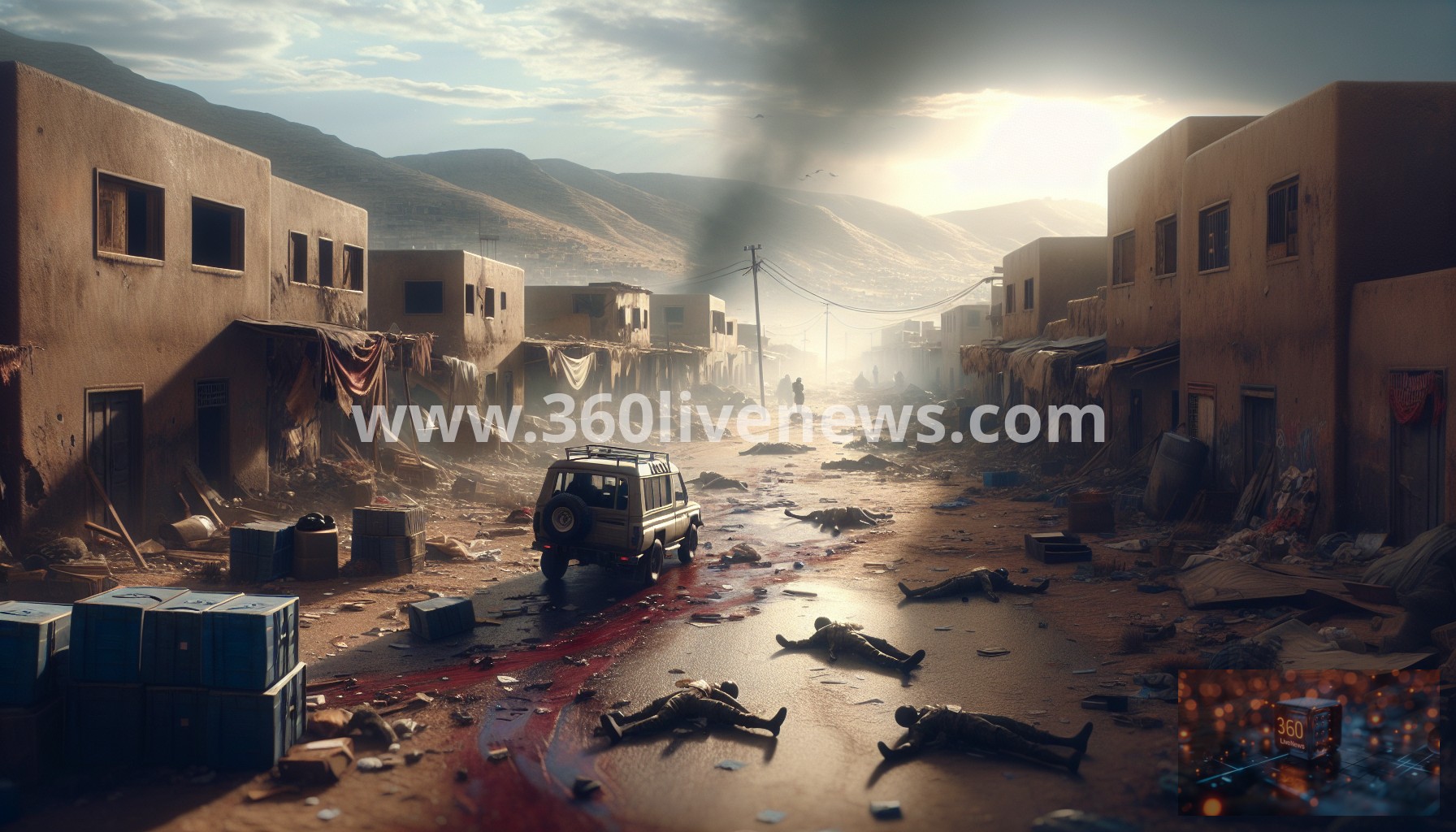
In a tragic escalation of violence, the recent attack by the Allied Democratic Forces (ADF) in the Democratic Republic of Congo (DRC) has left at least 43 people dead. This incident occurred in Bafwakoa, a locality within the Mambasa territory of Ituri province. As reported by Lieutenant Jules Tshikudi Ngongo, a regional spokesperson for the army, the assault also resulted in the burning of at least 44 houses, further exacerbating the humanitarian crisis in the region. This attack is part of a troubling trend of intensified violence by the ADF, which has become increasingly active in the northeastern DRC.
The ADF, a militant group with ties to the Islamic State of Iraq and the Levant (ISIL), has a history rooted in previous conflicts involving former Ugandan rebels. Their recent attacks have disproportionately targeted civilian populations, contributing to a pervasive atmosphere of fear in the affected areas. Despite ongoing military efforts, the DRC army continues to struggle in containing the ADF and other rebel factions operating in the east. In particular, the group has faced challenges from the M23" target="_blank" rel="nofollow noopener">Rwandan-backed M23, which has gained control over substantial territory, including the strategic city of Goma.
According to local sources, this attack marks a significant escalation in the violence that has plagued the Ituri and North Kivu provinces in recent months. The DRC’s military response has been met with limited success, prompting criticism regarding its ability to safeguard civilians and restore stability. In light of these recent developments, observers are urging urgent interventions to address both the immediate humanitarian needs and the underlying causes of the conflict in the region.
The DRC has long been a hotbed for violent conflicts, stemming from a complex interplay of political, ethnic, and economic factors. The presence of multiple armed groups, including the ADF and M23, has contributed to an environment marked by chronic instability. Efforts by the DRC government, along with regional interventions, have consistently faced obstacles, further complicating attempts to establish lasting peace.
Compounding the severity of the situation, humanitarian organizations have reported widespread displacements and an influx of refugees escaping ongoing violence. The United Nations has highlighted the urgent need for accountability, as well as support for affected communities. Emergency assistance remains imperative as civilians grapple with the aftermath of such brutal attacks. This recent incident underscores the international community’s concern for human rights violations and the need to bolster protective measures for vulnerable populations.
While the DRC army continues to face challenges in countering rebel threats, the role of international partners may become increasingly crucial. Advanced military strategies and increased humanitarian aid could provide essential support in stabilizing the situation. Political initiatives aimed at addressing root causes of conflict, along with diplomatic engagement with neighboring countries, could also play a pivotal role in curbing the violence perpetrated by armed groups.
As the situation continues to unfold, the international community must remain vigilant and responsive to the evolving dynamics within the Eastern DRC. Human Rights Watch has characterized the conflict as particularly egregious, citing the concerning number of civilian casualties in multiple attacks involving armed groups, including jihadists and state forces, which have collectively claimed more than 1,800 civilian lives in Burkina Faso this year alone. This context emphasizes the urgent need for a comprehensive international response to tackle the multifaceted threats to both regional security and humanitarian standards.
The attack in Ituri province illustrates not only the urgent need for immediate military response but also broader strategies to integrate support for sustainable development and conflict resolution. Preventing future violence necessitates collaborative efforts between local authorities, international agencies, and civil society organizations to create a framework addressing the structural issues that fuel such conflicts.
Looking ahead, experts suggest that bolstering local governance and providing avenues for community engagement might be critical to disrupting the cycle of violence. It is essential to develop multifaceted strategies that do not solely rely on military intervention, but also prioritize community resilience and rehabilitation. Without addressing the underlying conditions that give rise to groups like the ADF, achieving a long-term resolution will continue to prove exceptionally challenging.
#ADF #DRC #IslamicState #HumanitarianCrisis #MilitaryIntervention #HumanRights #ConflictResolution #CommunityEngagement
