Japan considers changes to arms export policy amid rising tensions with China, potentially allowing sales of lethal military equipment
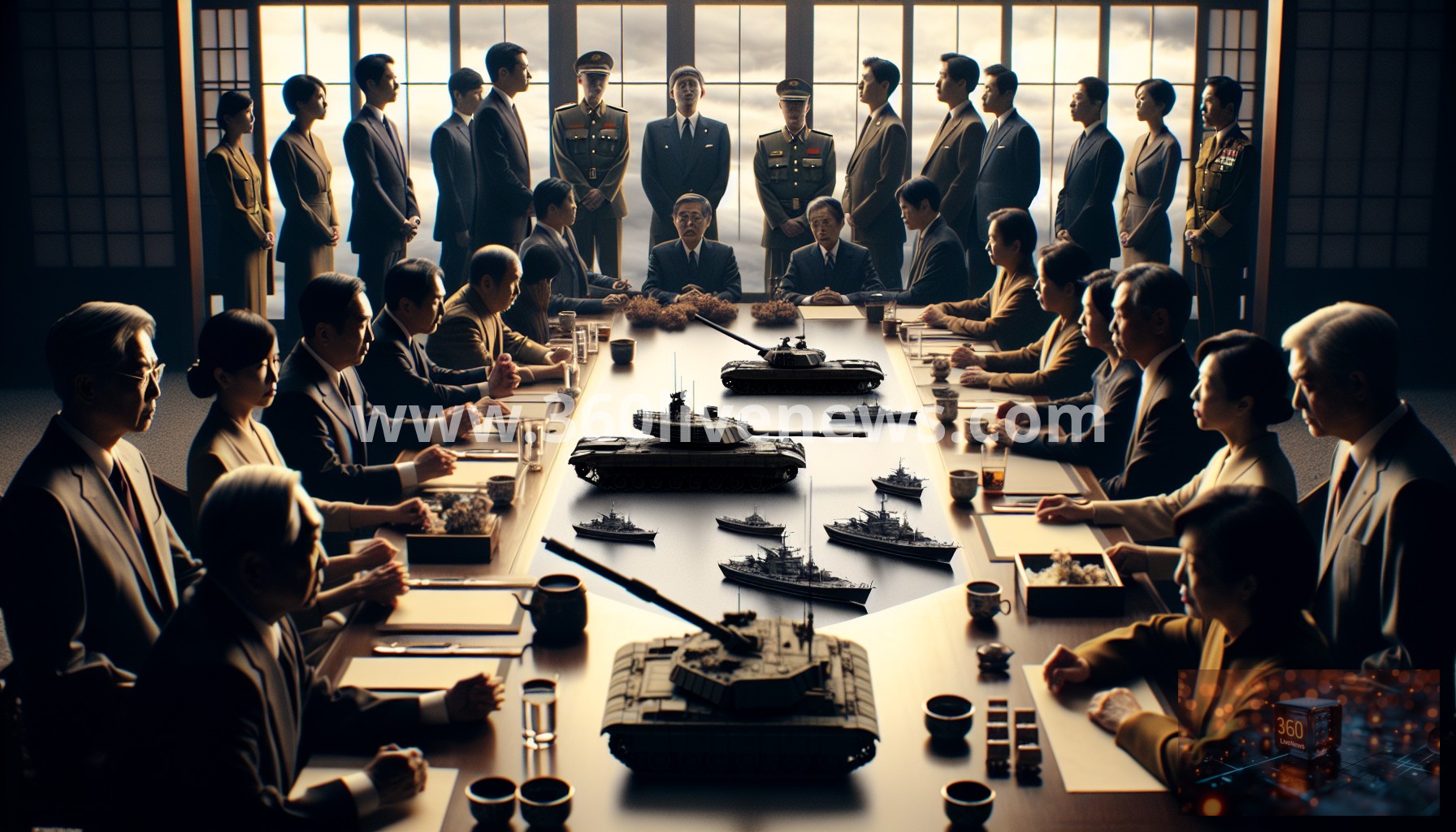
The Japanese government is contemplating significant changes to its arms export policy, specifically regarding the sale of lethal military equipment. Amid intensifying geopolitical tensions with China, the new policy may pave the way for Japan to export arms,potentially including sales to Taiwan. Currently, Japan is restricted to exporting only defensive military gear, such as equipment for transportation, surveillance, and minesweeping.
A draft document, reportedly obtained by Kyodo News, indicates that the proposed changes would distinguish between lethal armaments, like warships or missiles, and non-lethal technologies. This revision of the export policy aligns with Japan's broader strategy to enhance its military capabilities and respond to regional security challenges. By allowing the export of offensive weapons, Japan may be looking to bolster its defense alliances, particularly with countries facing threats from China.
Expressing concern over Japan's potential policy shift, Chinese analysts have highlighted that the relaxation of export limits could lead to an increase in military support for Taiwan, a region China considers a breakaway province. Previous Chinese statements have cautioned that such actions may escalate tensions in the Taiwan Strait, a critical area for international shipping and military movements. China's Ministry of Foreign Affairs has previously characterized Japan's rearmament as a concerning trend.
This proposed relaxation comes in the context of Japan's emerging security posture, which has evolved in response to perceived existential threats from its neighbors. The ongoing territorial disputes in the East China Sea, particularly regarding the Senkaku Islands, coupled with North Korea's missile provocations, have prompted Japan to reconsider its pacifist post-war constitution, which maintains strict limitations on military force and arms exports. The discussions surrounding these potential revisions reflect Japan's ongoing shift from a purely defensive to a more proactive security policy.
Japan's military, known as the Self-Defense Forces (SDF), has undergone modernization efforts in recent years. The SDF has been equipped with more advanced technologies, such as Aegis destroyers and F-35 stealth fighters, to better support joint operations with allies, including the United States and Australia. These advancements are viewed as essential for countering China's significant military expansion in the region.
In the past, Japan was constrained by its long-standing principle of not exporting arms, a policy established during the Cold War to maintain a pacifist stance. However, the evolving security landscape has led to a broad consensus within Japanese politics, particularly among ruling party members, that more assertive defense measures are necessary to safeguard national interests. The Liberal Democratic Party (LDP), which has traditionally commanded substantial influence in shaping defense policies, has been vocal in advocating for these significant changes.
The stakes are high as Japan navigates its role in regional security. China's assertiveness in the South China Sea and its recent military exercises have raised alarms not only in Tokyo but also in Washington and across Southeast Asia. As Japan considers its arms export policy revision, the dynamics of its relationships with neighboring countries, especially Taiwan, will be critical in shaping diplomatic conversations that impact regional security architecture.
For Japan, the timing of discussing such policy changes is critical. The global response to aggression, namely in Ukraine, has altered the perspective many nations hold regarding their own military preparedness and partnerships. The integration of Japan into wider defense initiatives, including partnerships with NATO and participation in multinational military exercises, signifies an overarching trend towards collective security measures aimed at countering authoritarian regimes.
As world leaders and analysts closely monitor Japan’s evolving defense policies, the implications of this move could resonate across the Asia-Pacific region. Japan's arms export regulation changes could embolden other nations to contemplate similar policies or strengthen defense alliances, potentially altering the balance of power within Asia. Experts emphasize that Japan's decisions in this area will be watched attentively, as they may lead to a profound shift in military dynamics and alliances across the region.
#Japan #China #Taiwan #ArmsExport #DefensePolicy #MilitaryRelations #GeopoliticalTensions #SelfDefenseForces
