Thailand's Fishing Industry Faces Crisis as Fuel Prices Surge Amid Middle East Conflict
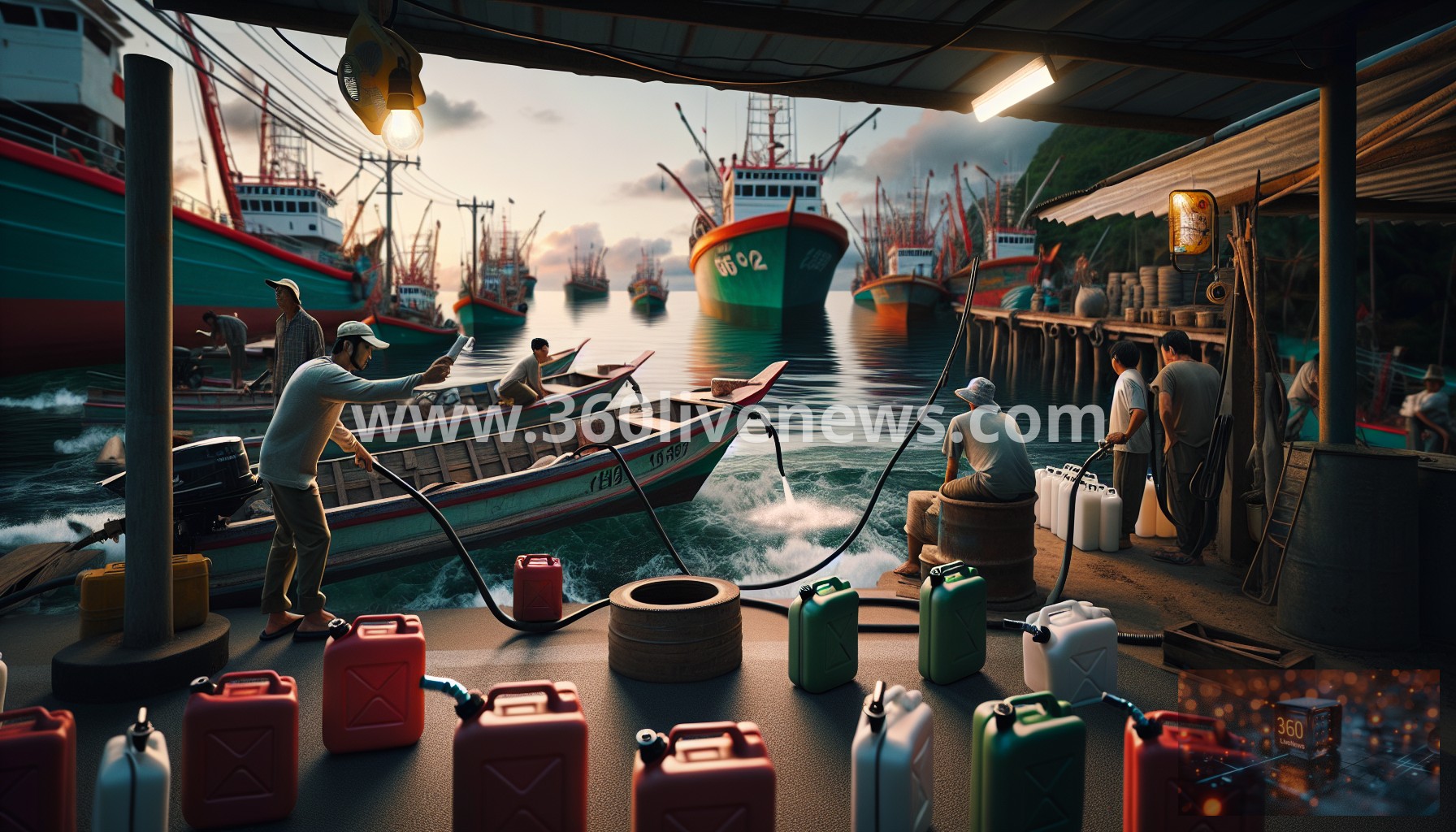
The National Fisheries Association of Thailand has raised alarm bells as the nation's fishing industry grapples with escalating fuel costs amidst the ongoing conflict in the Middle East. Reports indicate that approximately 50% of Thailand's fishing fleet is currently docked due to unprecedented diesel prices, which have surged beyond 45 baht (approximately US$1.38) per litre. This price represents a staggering increase of over 30% compared to levels recorded before the onset of the conflict, threatening the livelihoods of an estimated hundreds of thousands employed within the sector.
The fishing community, ranging from deep-sea fishers to upscale dining establishments, is bracing for what industry leaders describe as a potential "domino effect" collapse of the entire fishing sector. The increase in operational costs has prompted boat owners to voice their plight, emphasizing the dual burden of rising fuel expenses and salary commitments. Without timely government intervention or support, they warn that the situation may further erode the viability of the industry.
The price hikes can be traced back to the broader geopolitical tensions exacerbated by the situation in Iran. As fuel supplies become strained due to instability and sanctions, import costs rise steeply, impacting local economies reliant on fishing. This has drawn concern not only from industry leaders but also from economists who point to the potential ramifications for Thailand's economy, particularly in coastal regions heavily dependent on fishing revenue.
Given the significance of the fishing industry in Thailand, which boasts a valuation of approximately US$7 billion, it represents a crucial component of the national economy. The sector's contributions extend beyond immediate profit margins as it also supports ancillary industries such as food processing, tourism, and exports, particularly to Europe and North America. A collapse would not only devastate incomes but could potentially disrupt food supply chains and economic stability across the affected regions.
The ramifications of the conflict in the Middle East have been felt across various sectors globally, as highlighted by notable parallels in the economic pressures felt by other nations reliant on fuel imports. For Thailand, where the fishing industry holds cultural and economic significance, the stakes are particularly high. Additionally, other countries with similar economic structures are likely observing the situation with trepidation, anticipating possible ripple effects from Thailand's plight.
In the absence of governmental measures designed to alleviate the burden of soaring fuel prices, such as subsidies or price controls, the fishing industry may face an untenable situation that could lead to extensive layoffs and bankruptcies. The National Fisheries Association has urged state intervention, including the possibility of negotiating better fuel pricing or providing direct financial support to struggling fishermen.
Experts warn that the current pressures might also instigate a broader dialogue around energy policy and sustainability within the fishing community and beyond. As nations grapple with the complexities of dependence on fossil fuels, the situation in Thailand could act as a catalyst for reevaluation of energy strategies and sustainability practices. Proposals for enhancing the energy efficiency of fishing vessels or exploring alternative energy sources may gain traction as stakeholders consider long-term solutions aimed at mitigating similar crises in the future.
This crisis underlines the interconnectedness of national security, international relations, and local economies. As the fishing industry faces unprecedented challenges, the echoes of the conflict in Iran serve to remind us of the geopolitical dimensions influencing even the most localized of industries. The outcome of this situation remains unfolding, and observers will be keen to see how the Thai government responds to the urgent calls from the fishing sector for immediate and effective intervention.
As fishing boat owners prepare for a grim outlook, the industry represents a stark reminder of how geopolitical events can deeply impact local livelihoods. With the fishing sector's hopes pinned on government action, the next steps taken by authorities will be crucial in determining the future of this vital industry as it continues to navigate the tumultuous waters created by external conflicts.
#Iran #Thailand #Fishing #Economy #FuelCost #GovernmentIntervention #Collapse #IndustryCrisis
