Beijing clarifies intentions of ultra-large underwater drones amid US concerns over potential threats to West Coast cities
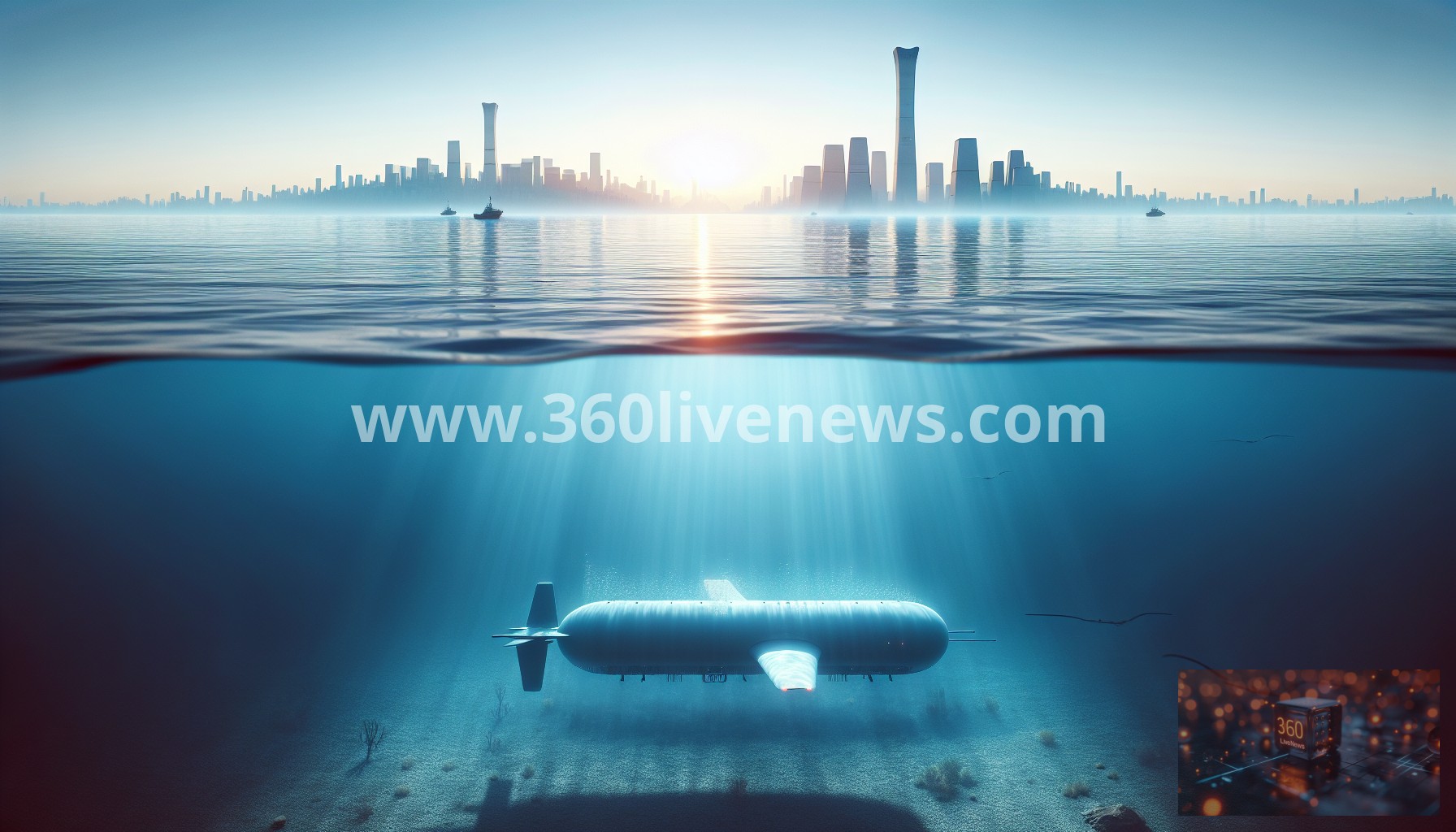
Beijing has sought to alleviate concerns regarding a series of ultra-large underwater drones, with authorities stating that these vessels are not intended for offensive actions against the United States' West Coast. This clarification follows heightened worries among US defence experts about the potential threat posed by these unmanned submersibles, particularly to vulnerable urban targets along the Pacific Coast such as Los Angeles, Seattle, and Oakland. Recent satellite imagery has indicated the existence of a top-secret variant of the drone exceeding 40 meters in length, prompting increased international scrutiny and alarm across the United States.
Yan Zheping, a prominent figure in China's unmanned systems research and a member of Harbin Engineering University's College of Intelligent Systems Science and Engineering, emphasized in a recent peer-reviewed article that the strategic purpose of these ultra-large underwater drones focuses heavily on regional security. According to Yan, their functionalities encompass defensive reconnaissance near coastal areas while also engaging in civilian research and environmental monitoring, as detailed in his paper for the Chinese Journal of Ship Research.
The emergence of these drones is part of a larger pattern within China’s military advancements, reflecting its efforts to maintain a technological edge in maritime operations. Analysts within the United States continue to assess the implications of Beijing's advancements in submarine technology, casting doubt on China's assurances and viewing the deployment of these ultra-large unmanned vehicles as a potential escalation in military capabilities in the Pacific region.
The US has articulated its anxieties over the drones through reports and statements from defence officials, who have pointed to the strategic vulnerabilities of key West Coast cities and vital maritime routes. For instance, security specialists have highlighted the significance of both the Panama Canal and urban hubs including Seattle and Los Angeles as potential targets should tensions escalate. The debate over the implications of these advanced submersibles has intensified discussions about the need for enhanced naval capabilities and defensive measures along the Pacific coast.
This situation is further complicated by the existing geopolitical climate, particularly concerning China-U.S. relations, which have been fraught with mistrust and competitive posturing. The US has frequently expressed concerns regarding China's military ambitions in the South China Sea and other strategic maritime areas, and the introduction of such advanced unmanned systems could deepen these tensions. The recent findings have prompted US lawmakers and military strategists to reconsider their tactical assessments and readiness to respond to potential threats.
Officials in Washington have called for a reassessment of surveillance and monitoring capabilities to ensure that any movement of these drones is closely observed. Amidst ongoing debates about national security, the revelations surrounding these ultra-large underwater drones enhance the urgency of discussions regarding potential modifications to existing military strategy and investment in counter-drone technologies.
The widening dialogue surrounding these unmanned systems also ties into broader concerns about the proliferation of advanced military technologies and potential flashpoints in the region. This dual-use nature of maritime drones, capable of both civilian and military applications, exemplifies the complexities of modern naval warfare where unclear lines between peaceful and offensive use can lead to escalations in conflicts.
In this context, Yan Zheping’s statement on the primary purpose of the drones as defensive measures might garner skepticism. US officials have expressed concerns not only regarding the immediate implications but also regarding the long-term strategic shifts they may usher in. As technological advancements continue to progress, the potential for misunderstandings, miscalculations, and conflicts increase significantly.
The situation warrants ongoing attention, as experts in both capitals remain engaged with the developments surrounding these underwater drones. Clarity from China regarding its intentions with these unmanned vessels represents a crucial avenue for reducing fears of military confrontations and redefining not only the military balance in the region but also the global discourse on advanced military technologies and their governance.
#China #UnmannedDroneTechnology #USDefense #MilitaryStrategy #Geopolitics #MaritimeSecurity #DefensePolicy #Drones
