Migrant boat capsizes in central Mediterranean, two confirmed dead and 70 missing, 32 rescued and taken to Lampedusa
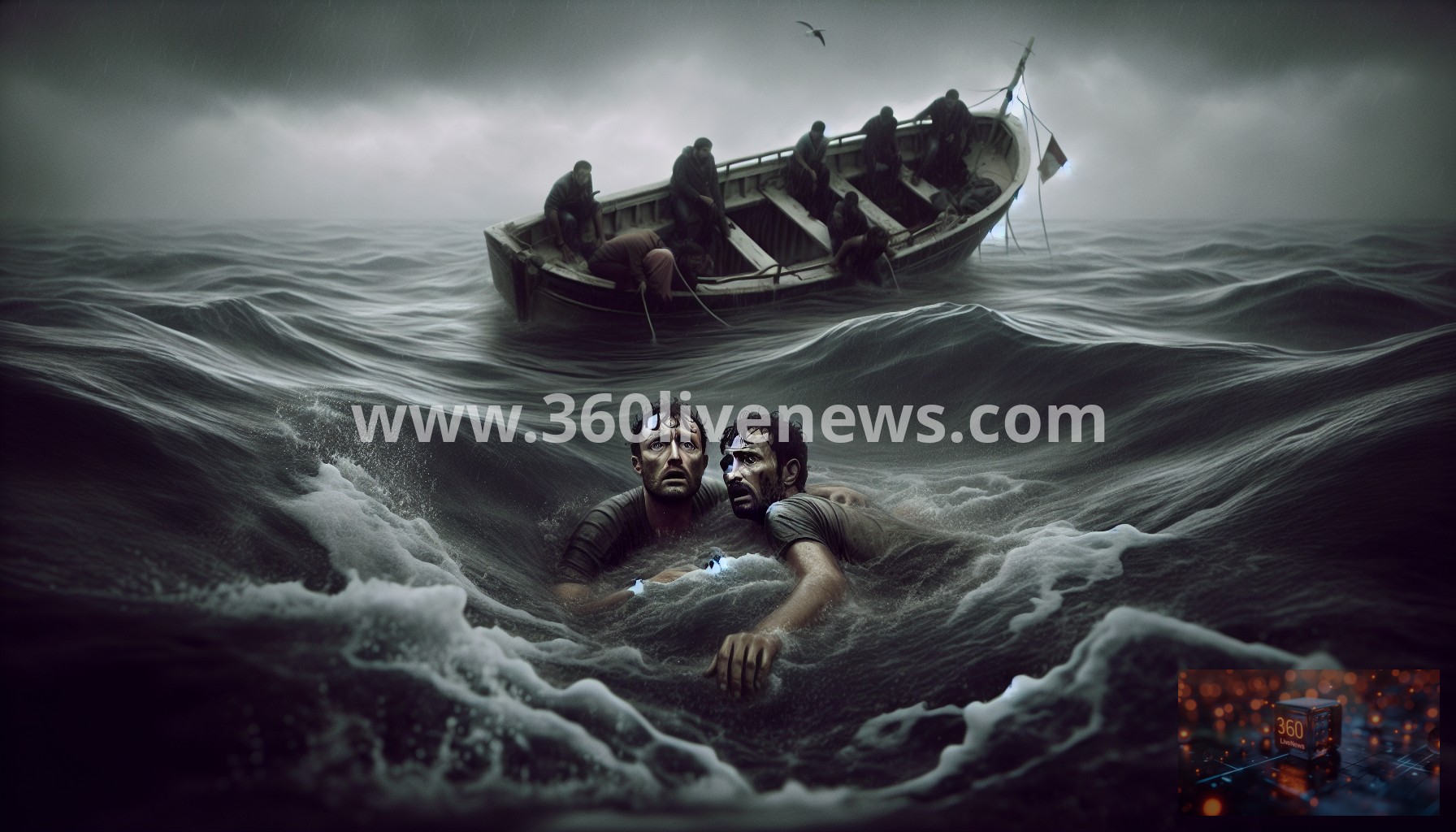
Tragedy struck in the central Mediterranean after a migrant boat capsized, resulting in the confirmed deaths of two individuals and leaving as many as 70 people missing. The incident was reported by the NGOs Mediterranea Saving Humans and Sea-Watch, which revealed that the boat had departed from Libya less than 24 hours earlier, carrying an estimated 105 passengers. The survivors were found by two commercial vessels that managed to rescue 32 individuals, who were subsequently taken to the Italian island of Lampedusa for assistance.
The migrant boat capsized while navigating through a designated search-and-rescue zone managed by Libyan authorities. The situation highlights the ongoing perils faced by migrants in this region, as they seek safer passage to Europe. Mediterranea Saving Humans expressed their grief on social media, stating, "Tragic Easter shipwreck. 32 survivors, two bodies recovered, and more than 70 people missing," illustrating the dire circumstances surrounding this maritime crisis.
This latest incident underscores a broader humanitarian emergency in the Mediterranean as migrants increasingly attempt to flee conflict and poverty in their home countries. The central Mediterranean route remains one of the deadliest for migrants, with various organizations tracking rising numbers of fatalities at sea. In previous months, waves of migrants have taken to overcrowded and unsafe vessels, leading to preventable deaths due to capsizing and lack of proper rescue operations.
The Italian Coast Guard and other European agencies have been under scrutiny for their response strategies toward migrants at sea. Critics highlight the inadequacy of rescue operations in the high-traffic Mediterranean region, suggesting that policies implemented by European countries have often led to tragic outcomes, such as this recent capsizing. This incident has revived discussions about the European Union's approach to migration in the Mediterranean, where the balance between humanitarian response and border control continues to be precarious.
NGOs like Sea-Watch have been at the forefront of search-and-rescue missions since the crisis began intensifying in recent years. They often coordinate with commercial and fishing vessels in the area to facilitate rescues, emphasizing the urgency of providing aid despite the significant barriers set by EU policy. Such organizations serve as lifelines for many migrants but face legal challenges and political pushback regarding the rescue of individuals in distress.
The situation is further complicated by political instability in Libya, which has impacted the operation of search-and-rescue missions. Following the fall of the Gaddafi regime, Libya has struggled with ongoing conflict and governance issues, driving many individuals to risk their lives at sea in search of better prospects in Europe. Efforts by both the EU and various NGOs to find a long-term solution have faced significant hurdles amidst persistent violence and human rights abuses reported within the country.
Migration across the Mediterranean is not a new phenomenon; however, the scale and peril of these crossings have escalated dramatically in recent years due to conflicts, economic instability, and climate change. Displacement has prompted more individuals to embark on dangerous journeys across the sea, often facilitated by human traffickers who set up perilous crossings without regard for the safety of those involved. This highlights the urgent need for comprehensive policies that address the root causes of migration while offering legitimate pathways for asylum seekers and refugees.
The international response to these tragedies has also evolved, with various countries advocating for reforms in how migration is handled globally. Human rights organizations have pushed for more humane treatment of migrants and better support systems upon arrival in receiving countries. However, political resistance remains high, especially in the context of rising anti-immigrant sentiments across Europe, complicating efforts to arrive at a consensus on handling migration effectively and safely.
As the rescue efforts continue and the search for the missing individuals expands, it is crucial for international actors to reassess and adapt their policies regarding migration in the region. Without meaningful changes, further tragedies are inevitable, underscoring the dire need for a coordinated humanitarian response that places human lives at the forefront.
#Mediterranean #migrants #Italy #Libya #humanitariancrisis #rescueoperations #humanrights #NGOs
