Rising fuel prices in Middle East lead to increased hostility towards petrol station workers in Australia
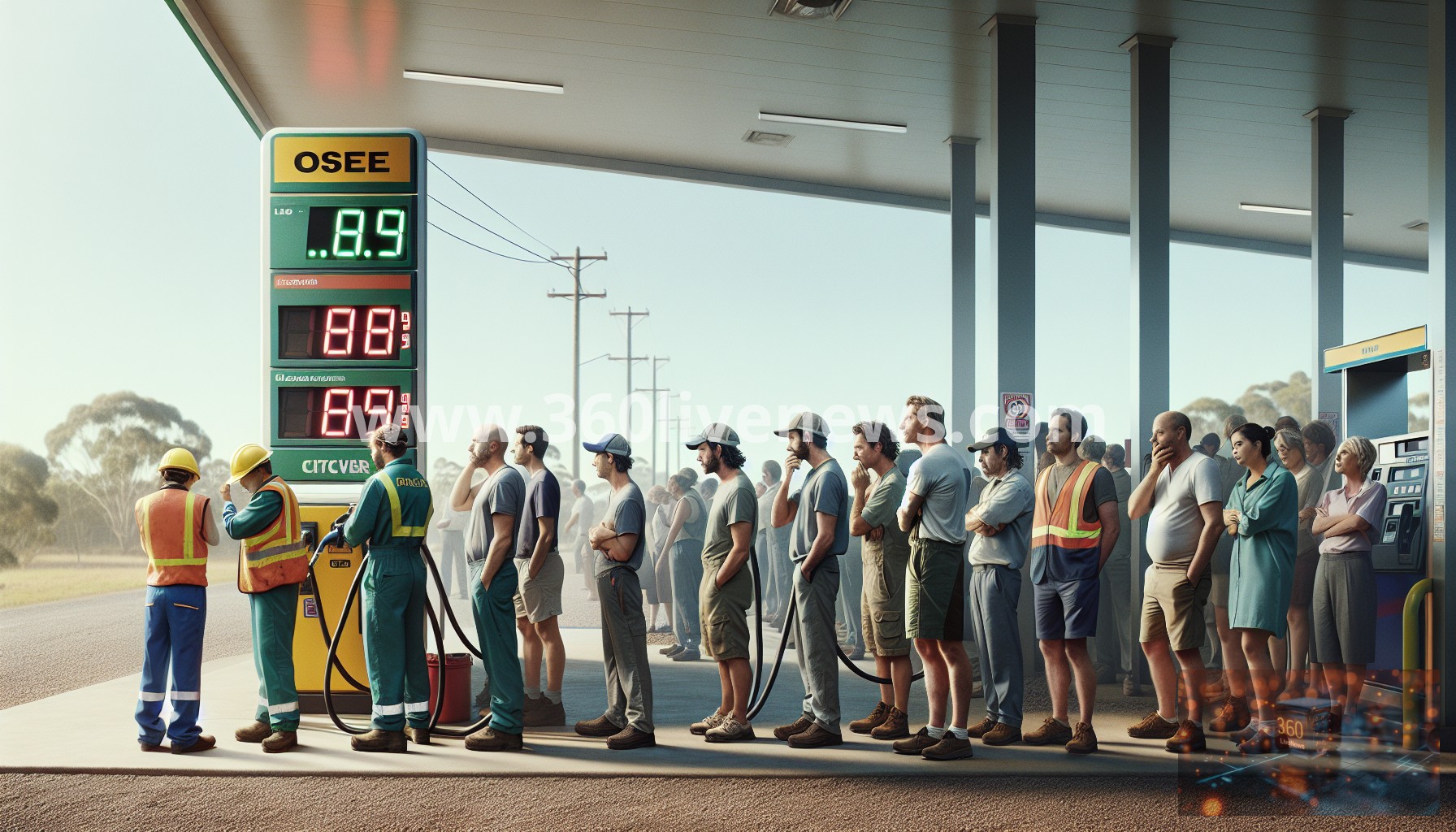
With the ongoing conflict in the Middle East driving fuel prices significantly higher, retail workers in Australia are experiencing a troubling rise in consumer hostility. The backlash against petrol station employees has intensified, as reported incidents of abuse from drivers have surged since prices began to climb. The Shop, Distributive and Allied Employees Association (SDA), the union representing petrol station staff, has indicated that these issues are becoming increasingly prevalent, prompting them to consider measures to enhance worker safety during this volatile period.
Petrol station operators are also feeling the pinch from rising fuel prices, expressing frustration that the increased costs are not translating into higher profits. Eddy Nader, a petrol station owner, highlighted this dilemma when recounting an incident involving a disgruntled customer who reacted aggressively upon learning his petrol station was not participating in a price discount program. Such confrontations underline the tensions arising from the current economic climate driven by external conflict, dramatically affecting the dynamics between consumers and service workers across the country.
The SDA has initiated a survey among petrol station workers to gather more concrete data on the reported increase in customer aggression. This effort aims to quantify the scale of the problem and develop strategies to safeguard employees working at the forefront of these emotionally charged interactions. In light of incessantly rising prices, those in frontline positions often find themselves unfairly bearing the brunt of customer frustration and anger, which further complicates their ability to provide essential services.
The dynamic surrounding fuel pricing and consumer behavior can be traced back to broader geopolitical factors, particularly the impact of conflicts in the Middle East that frequently disrupt global oil supplies. As countries grapple with fluctuating fuel availability and increased production costs, retail pricing often reflects these geopolitical tensions, making consumers acutely aware of the correlation between international events and local pricing at the pump.
According to the SDA, the environmental and economic pressures stemming from global conflicts are not the only aspect of concern. Retail staff are witnessing a decline in revenue from in-store sales of goods such as food, beverages, and coffee, which typically contribute to their profitability. With drivers more focused on the rising fuel costs, the ancillary sales that many petrol stations rely on to sustain their business models have dwindled, creating a precarious situation for both business owners and employees alike.
Ministerial commentary on the current crisis reflects growing apprehension regarding the treatment of workers in the retail sector amid rising tensions. The deterioration of customer service dynamics places this sector in a difficult position, with notable discussions surrounding the need for enhanced training and safety measures to protect employees who are increasingly vulnerable to aggressive customer outbursts.
In light of these developments, the SDA aims to collaborate with petrol station operators to implement stronger safety protocols and support systems for their workers. These initiatives are crucial, as employees continue to navigate complexities stemming from customer interactions fueled by frustration over rising fuel prices, the community's response to global instability directly impacting the frontline experiences of retail workers.
As this situation evolves, workers in the petrol station sector find themselves at a crossroads. The impacts of international conflicts manifest not only in economic terms but also in the everyday environment in which they operate. The realities of increased customer hostility amid soaring fuel prices present a mounting challenge that requires urgent attention and intervention from policymakers and industry leaders alike, aiming to create a safer and more supportive workplace for those on the front lines.
The intersection of retail work, fuel pricing, and customer relations serves as a glaring reminder of how global events ripple through local economies, with impacts that extend well beyond simple monetary transactions. As communities brace for ongoing fluctuations in fuel pricing, the narrative around worker safety and customer interaction will continue to unfold, necessitating an adaptive response from all stakeholders involved.
#FuelPrices #WorkerSafety #PeoplesRights #Australia #PetrolStations #EconomicCrises #ConsumerBehavior #ShopDistributiveAndAlliedEmployeesAssociation
