Balendra Shah inaugurated as Nepal's new Prime Minister following Rastriya Swatantra Party's electoral majority
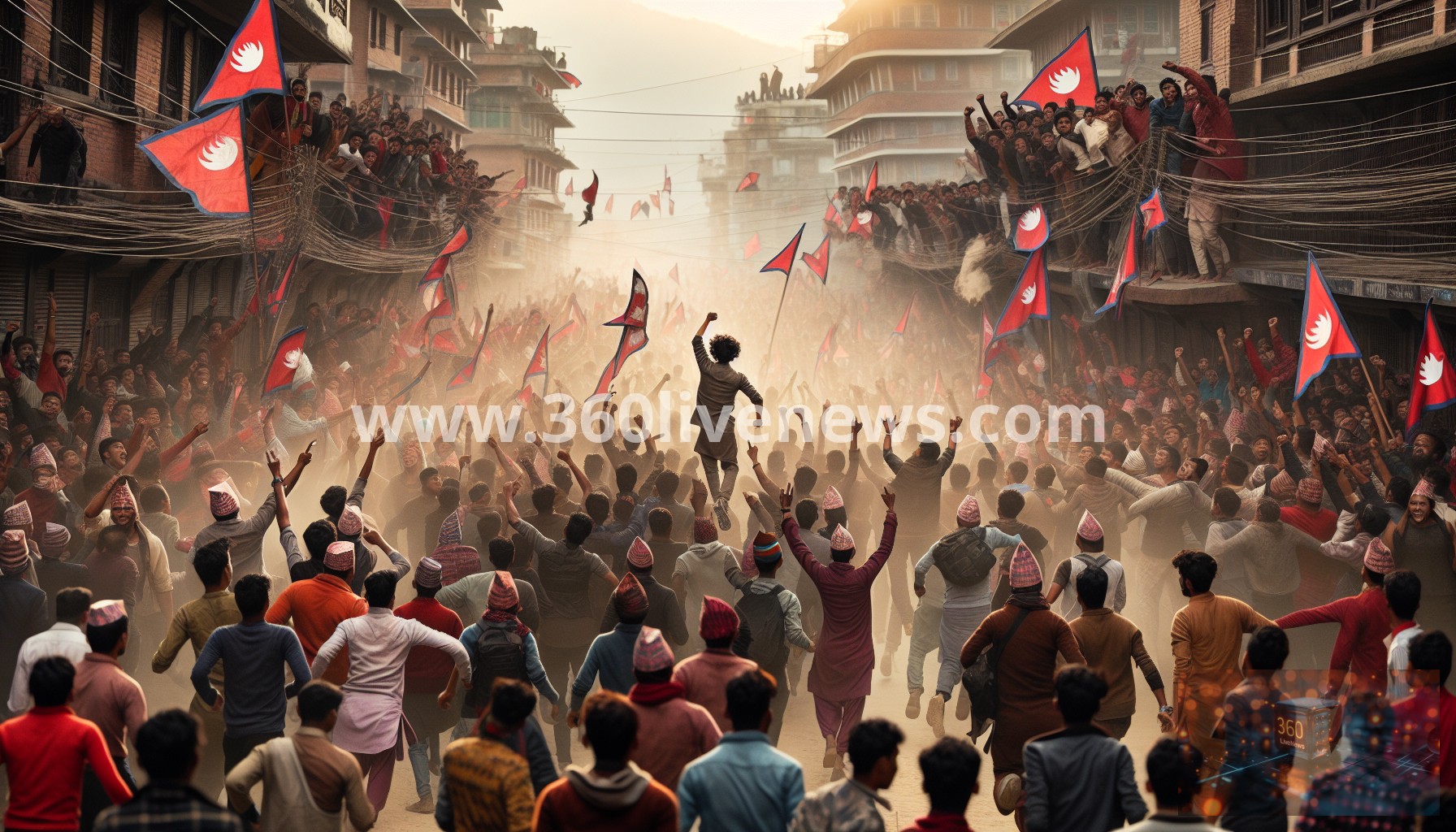
In a significant political shift in Nepal, the inauguration of Balendra Shah as the new Prime Minister marks a crucial moment for the nation's youth-led political landscape. This development contrasts sharply with the situation in Bangladesh, where a similar movement has yet to yield meaningful political representation. Last month, Shah took office following an election that saw the Rastriya Swatantra Party (RSP) secure a staggering majority, allowing a wave of young politicians to enter parliament. This victory stands out within the region, where young protest movements have typically struggled for substantial political power.
The contrasting fortunes of youth-led movements in Nepal and Bangladesh raise critical questions about the effectiveness and impact of such activism in South Asia. While Bangladesh's Gen Z activists have mobilized in large numbers, their efforts culminated in a disappointing outcome during their first post-protest elections in February, where the established Bangladesh Nationalist Party (BNP) maintained a historic majority. The underperformance of the newly formed National Citizens' Party (NCP), arising from the protests, starkly highlights the challenges of translating activism into electoral success.
Umama Fatema, a prominent figure in the Bangladeshi youth protests, expressed discontent as she reflected on her country’s struggles, watching as Nepalese youth achieved what many hoped would be possible after the protests in Bangladesh. Nearly two years on from the latter's protests, the persistent establishment and political inertia in Bangladesh remains formidable, leaving many young activists frustrated. The BNP's dominance in recent elections underscores the deep political divides that continue to challenge reform movements within the country.
In contrast, Nepal’s political landscape has been fundamentally reshaped. Shah's alliance with the RSP not only reflects a shift in voter sentiment but also signifies a broader acceptance of Gen Z leadership in governance, demonstrating that youth can indeed mobilize effectively for political change. Unlike Bangladesh, which has seen its youth movement falter, the RSP's victory in Nepal illustrates that there is room for innovation and new voices in governance.
A closer examination reveals broader implications for regional politics. In many Asian countries, youth-led movements have exploded, fueled by calls for transparency, justice, and a more inclusive political environment. However, the incongruity between the successes of Nepal's youth and the stagnation in Bangladesh serves as a cautionary tale and underscores the risks facing political movements driven by disenfranchised youth. The severe backlash in Bangladesh illustrates how deeply entrenched political structures can resist change despite the public's overwhelming desire for reform.
While Nepal celebrated a new chapter in its governance, Bangladesh still grapples with the ramifications of a political culture resistant to transformation. The youth movements across the region find themselves navigating complex socio-political realities, often encountering state-led repression and institutional neglect. These dynamics vary significantly between nations, where the relative freedoms and electoral democracy in Nepal have allowed for the rise of a generation eager to reshape their future.
The role of institutional support and the framework within which these movements operate cannot be overlooked. In Nepal, the government has shown a willingness to accommodate newer political entities, facilitating a nurturing environment for youth leaders. Conversely, Bangladesh’s political landscape has been marred by violence, censorship, and political retaliation against activists, hampering the formation of strong alternative political parties like the NCP.
The events in Nepal and Bangladesh offer important insights into why youth activism can have divergent outcomes in different political contexts. Analysts suggest that understanding local political cultures is crucial for youth-led movements to achieve their goals, particularly in a region defined by its complex and often adversarial political histories. As the situation evolves, the experiences of youth activists across South Asia will likely continue to shape electoral politics and governance, pushing towards an eventual reckoning between established power and the aspirations of a new generation.
The differences between the successes and failures of youth movements in Nepal and Bangladesh serve as a critical lens through which regional dynamics and youth engagement in politics can be interpreted. The ongoing struggles in Bangladesh reflect broader themes of engagement, accountability, and the hurdles civil society faces amidst systemic challenges, while Nepal’s recent electoral outcome showcases a path forward for similar movements elsewhere amid changing political climates.
#Nepal #Bangladesh #YouthPolitics #RastriyaSwatantraParty #GenZActivism #PoliticalChange #Elections2024 #YouthMovements
