Thailand's Prime Minister urges public to conserve energy amid rising oil prices due to Middle East conflict
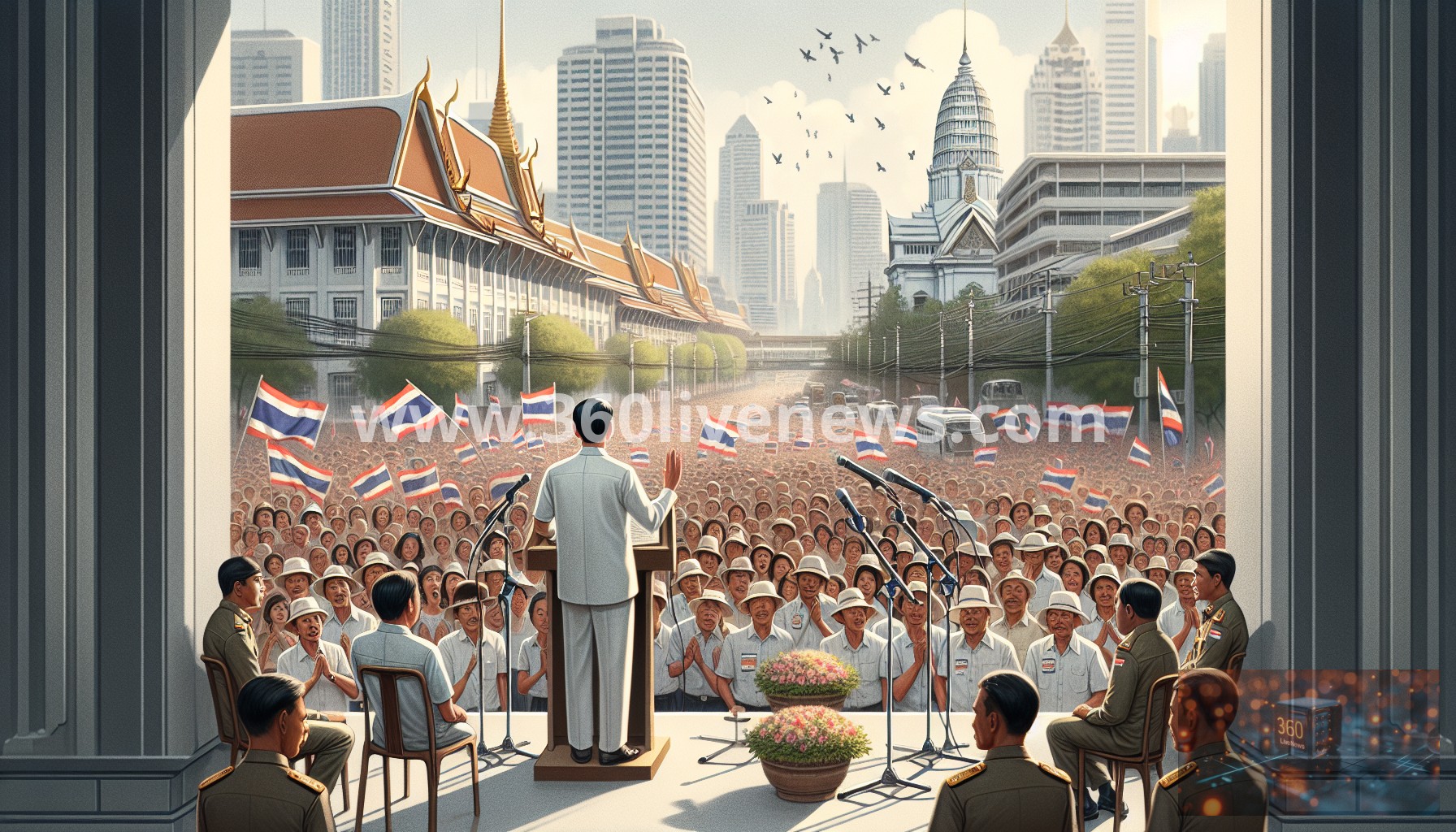
Thailand’s Prime Minister, Anutin Charnvirakul, has recently called on the public to engage in energy conservation efforts as the country faces a significant surge in oil prices attributable to ongoing conflict in the Middle East. With diesel prices soaring to approximately 50 baht (US$1.54) per litre, Anutin's announcement highlights the stark reality of Thailand's reliance on imported oil amidst geopolitical instability.
In a statement disseminated via social media, Anutin emphasized the precarious position of Thailand, given its dependency on oil and gas imports. He implored citizens and the private sector to take measurable actions, such as adopting work-from-home practices (WFH) and participating in carpooling schemes. Anutin noted, “We cannot remain complacent and manage our oil resources as we have done in the past,” underlining an urgency for a collective response to the crisis.
The backdrop of Anutin's energy conservation appeal coincides with increased scrutiny regarding fuel availability within Thailand. The Justice Minister, Major-General Rutthaphon Naowarat, has confirmed that Thai authorities are currently investigating suspicious activities related to oil hoarding in southern regions, particularly the province of Surat Thani. There have been reports of oil shortages at petrol stations and alleged illegal resale of fuels to neighboring countries, which exacerbate the supply crisis.
As the situation develops, evidence has emerged that supports claims of fuel mismanagement. During the current crisis, reports indicate potential discrepancies of between 57 to 58 million litres of oil that “has definitely gone missing.” Anutin has reassured the public that the nation maintains approximately three months of fuel reserves to navigate the emergency, yet the reported shortages raise questions about the veracity of that assertion.
The geopolitical context surrounding this escalation serves as a crucial factor in understanding Thailand’s precarious situation. The conflict in the Middle East has led to heightened tensions and instability, particularly concerning oil trade routes such as the Strait of Hormuz, a vital passage for global oil shipments. Following closures of this strategic waterway, an uptick in fuel prices and a strain on supplies are increasingly impacting nations heavily reliant on imported oil, including Thailand.
Moreover, as the investigation into suspected oil hoarding unfolds, authorities are confronting a monumental challenge in restoring confidence in the country's fuel supply chain. Engaging with stakeholders ranging from law enforcement to the energy sector, a multi-faceted approach appears necessary to tackle both the immediate supply concerns and the long-term ramifications of potentially illicit activities endangering public trust.
While domestic issues amplify calls for energy-saving measures, the broader implications of the Middle Eastern conflict cannot be overlooked. The ramifications extend beyond fuel prices and availability, potentially impacting economic stability and living standards in Thailand. Consequently, governmental responses will likely shape the discourse surrounding energy policy and national resilience amidst fluctuating international markets.
Monitoring the unfolding circumstances, particularly as investigations progress and international tensions evolve, remains vital. The Thai government is poised to navigate these complexities, prepared to offer additional guidance and resources to citizens as the nation confronts the implications of global turmoil impacting local energy frameworks.
With the situation still dynamic, stakeholders across the spectrum, citizens, businesses, and governmental agencies, are urged to remain engaged and responsive to the changing landscape. To proactively mitigate the adverse effects of the crisis, collective action, innovative solutions, and responsible resource management will be indispensable going forward.
#Thailand #OilCrisis #MiddleEastConflict #EnergyConservation #FuelShortage #AnutinCharnvirakul #SuratThani #JusticeMinister
