Sydney health clinic reports significant healthcare access gaps for refugees, with one in three ineligible for Medicare
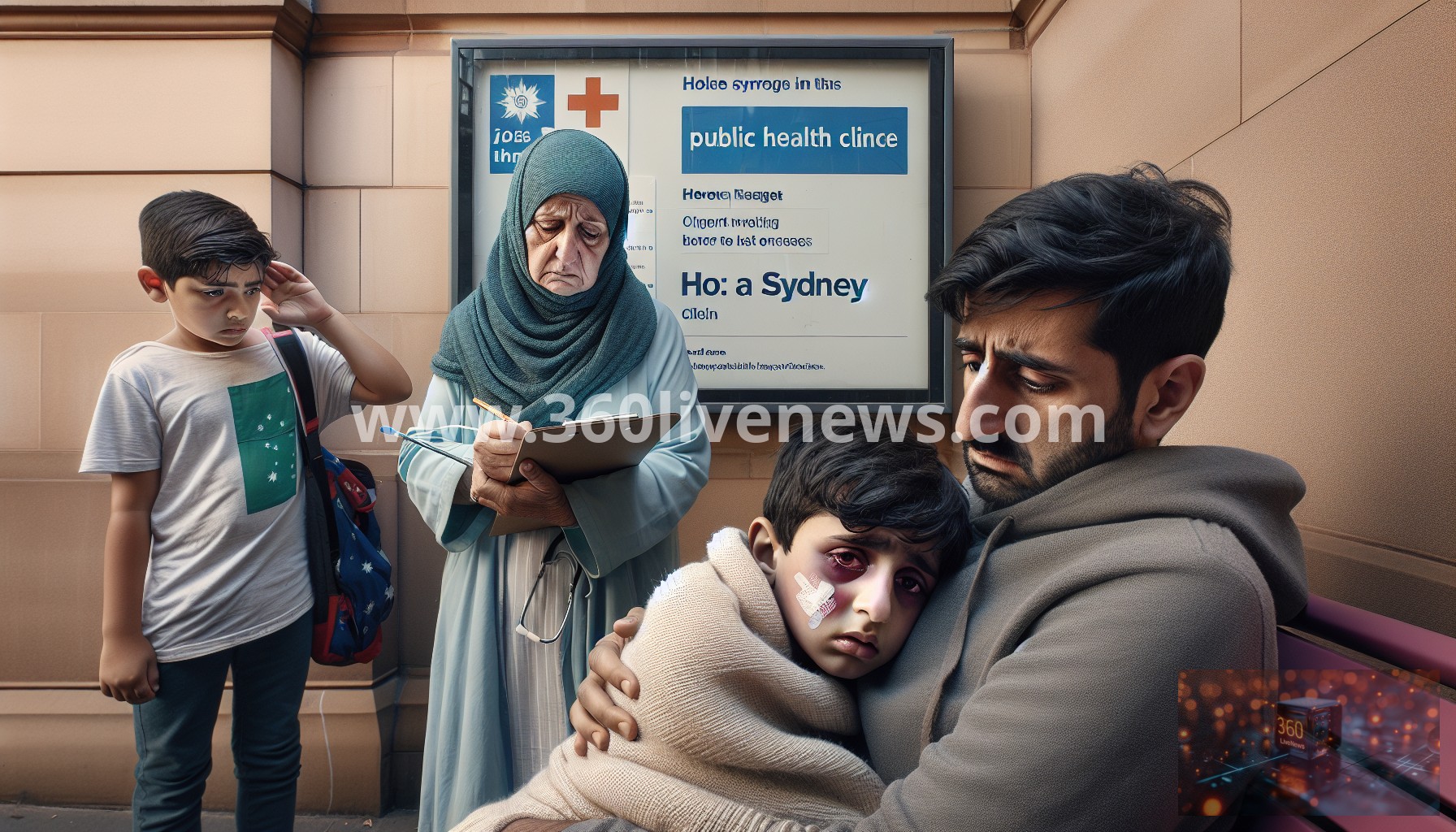
Recent reports from a Sydney health clinic reveal significant gaps in access to healthcare for refugees, raising serious concerns about their wellbeing. Medical professionals at the clinic have indicated that approximately one in three of their refugee patients are ineligible for Medicare, leaving them without essential healthcare services. This alarming statistic highlights the disparities faced by vulnerable populations seeking asylum in Australia.
The reported issue is exacerbated by the complexities surrounding refugee status and the varying visa conditions that determine healthcare access. Many refugees are granted free healthcare services while their residency applications are processed, but others find themselves excluded from these vital resources. As a result, many refugees are left to navigate a precarious healthcare landscape where preventative care is often out of reach, leading to serious health outcomes.
Doctors and nurses associated with the clinic noted that the current system fails to provide timely interventions for patients, many of whom present serious symptoms that could have been manageable with earlier treatment. The consequences of lack of access are not merely theoretical; they manifest as preventable health conditions that significantly impair the quality of life for these individuals.
The implications of this healthcare disconnect resonate beyond individual patient outcomes; they reflect broader systemic issues within Australia’s healthcare framework and the policies governing asylum seekers. As global conditions shift and asylum-seeking populations grow, the need for comprehensive and inclusive healthcare solutions becomes increasingly urgent.
This situation is particularly important given the ongoing discussions around migration policy and rights in Australia. In previous instances, advocates for healthcare reform have called for a reevaluation of the eligibility criteria for Medicare that governs access for refugees. The debate continues among policymakers, healthcare professionals, and advocacy groups regarding the best paths forward to ensure that essential services are not only available but readily accessible to all individuals in need.
Embedding systemic support for health access into immigration policies is critical to addressing these inequities effectively. Amidst rising public health concerns in the aftermath of recent global health crises, intentional reforms are necessary to prevent worsening health disparities in already marginalized communities.
In heightening awareness of these issues, medical professionals are increasingly vocal about the urgent need for public support and engagement in redefining healthcare access for refugees. Collaborative efforts involving healthcare systems, government agencies, and non-profits can create a solid foundation for solutions that not only bridge existing gaps but also promote health equity.
As the situation develops, the call for reforms in refugee healthcare access will likely intensify. It has become clear that a lack of Medicare eligibility can lead to dire health consequences, and there is a growing acknowledgment that changes must be instituted to ensure that all individuals, regardless of their status, receive the care they need.
Ultimately, the effectiveness of Australia's approach to refugee health care is under scrutiny, and maintaining a focus on equitable treatment will be vital in shaping future healthcare policy. As discussions around these critical issues evolve, it remains paramount that the needs of refugees are met with compassion, comprehensiveness, and a commitment to social justice.
#Refugees #Healthcare #Australia #Medicare #AsylumSeekers #HealthEquity #Sydney #PublicHealth
