Experts warn UK government's North Sea oil and gas exploration could hinder global climate goals and encourage fossil fuel use abroad
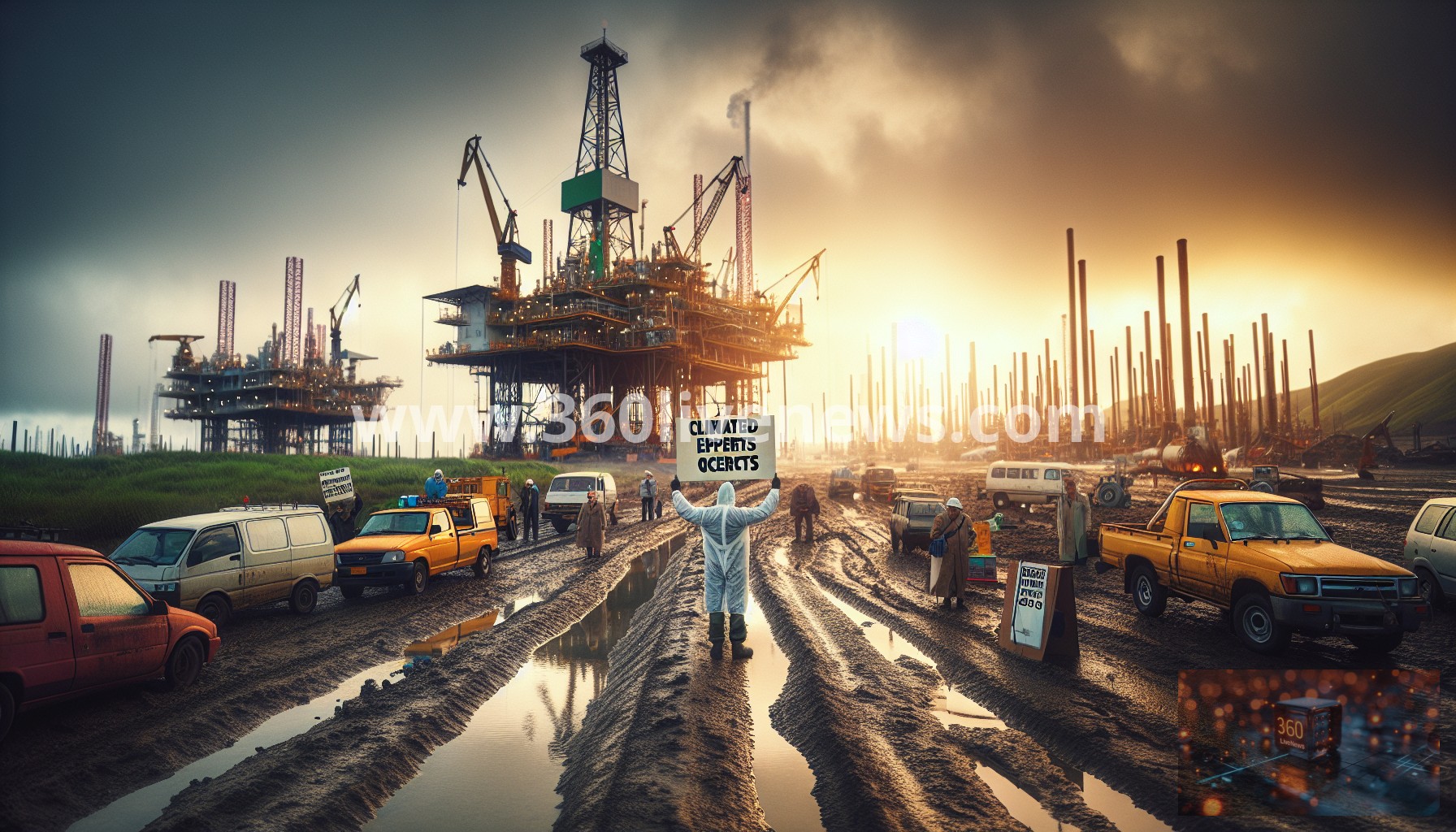
Experts have raised alarm over the UK government's recent push to explore new oil and gas fields in the North Sea, warning that such a move could severely undermine global climate goals. Senior figures in climate diplomacy argue that the decision to initiate drilling could encourage fossil fuel exploitation in developing countries, sending a "shockwave around the world." This comes amid mounting pressure from various political and industrial factions in the UK advocating for new energy extraction despite evidence suggesting minimal benefits for the UK’s energy supply and price levels.
The North Sea, which is reported to be over 90% depleted, is home to two significant remaining oil fields, Rosebank and Jackdaw. Research indicates that exploiting these fields would only replace a mere 1% and 2% respectively of the UK's gas imports. The government is currently under intense influence from the oil industry, the Conservative Party, Nigel Farage's Reform UK party, and some elements within the Treasury to approve oil and gas licensing, despite warnings from climate experts about the long-term environmental impacts.
Experts have criticized this direction, claiming that new drilling will not only jeopardize the UK’s climate leadership but will also complicate international efforts to phase out fossil fuels. They assert that the move could send a message to developing nations that continued fossil fuel dependency is acceptable, thereby threatening global emissions reduction targets.
Climate activists and organizations have expressed their concerns, stating that exploiting fossil fuel reserves is incompatible with the commitments under global agreements aimed at mitigating climate change. According to several specialists, the message sent by new explorations could result in a detrimental ripple effect, potentially leading to increased greenhouse gas emissions worldwide. They emphasize that the focus should instead be on investing in renewable energy technologies and reducing fossil fuel dependency altogether.
International climate negotiations have historically aimed at substantial reductions in carbon emissions through commitments from signatory countries. The UK, having positioned itself as a leader in such initiatives, is now facing scrutiny for potentially compromising its international standing by reopening avenues for fossil fuel extraction.
Previous policies set by the UK government had been geared towards a gradual transition to a low-carbon economy, and the recent call to utilize dwindling North Sea resources appears contradictory to these long-term objectives. With the UK aiming to host vital climate conferences, the decision to expand oil and gas drilling may undermine these diplomatic efforts and the trust built with other nations.
The implications of this decision extend beyond environmental concerns. Economically, reliance on fossil fuels could hinder the UK’s potential to develop a sustainable and resilient energy framework that capitalizes on renewable sources. Investment in fossil fuel exploration might divert resources away from greener technologies that could foster long-term economic benefits and job creation in emerging industries.
In light of these developments, discussions continue regarding the future of the UK's energy strategy. With pressing climate commitments and a global push for sustainable recovery from crisis situations, the intersection of energy policy and environmental responsibility has never been more critical. The UK's decisions in this space will be pivotal in shaping both domestic and international climate action strategies.
#Oil #ClimateChange #NorthSea #FossilFuels #GreenhouseGasEmissions #ClimateGoals #EnergyPolicies #RenewableEnergy
