China enacts regulation to enhance supply chain security amid global uncertainties and economic tensions
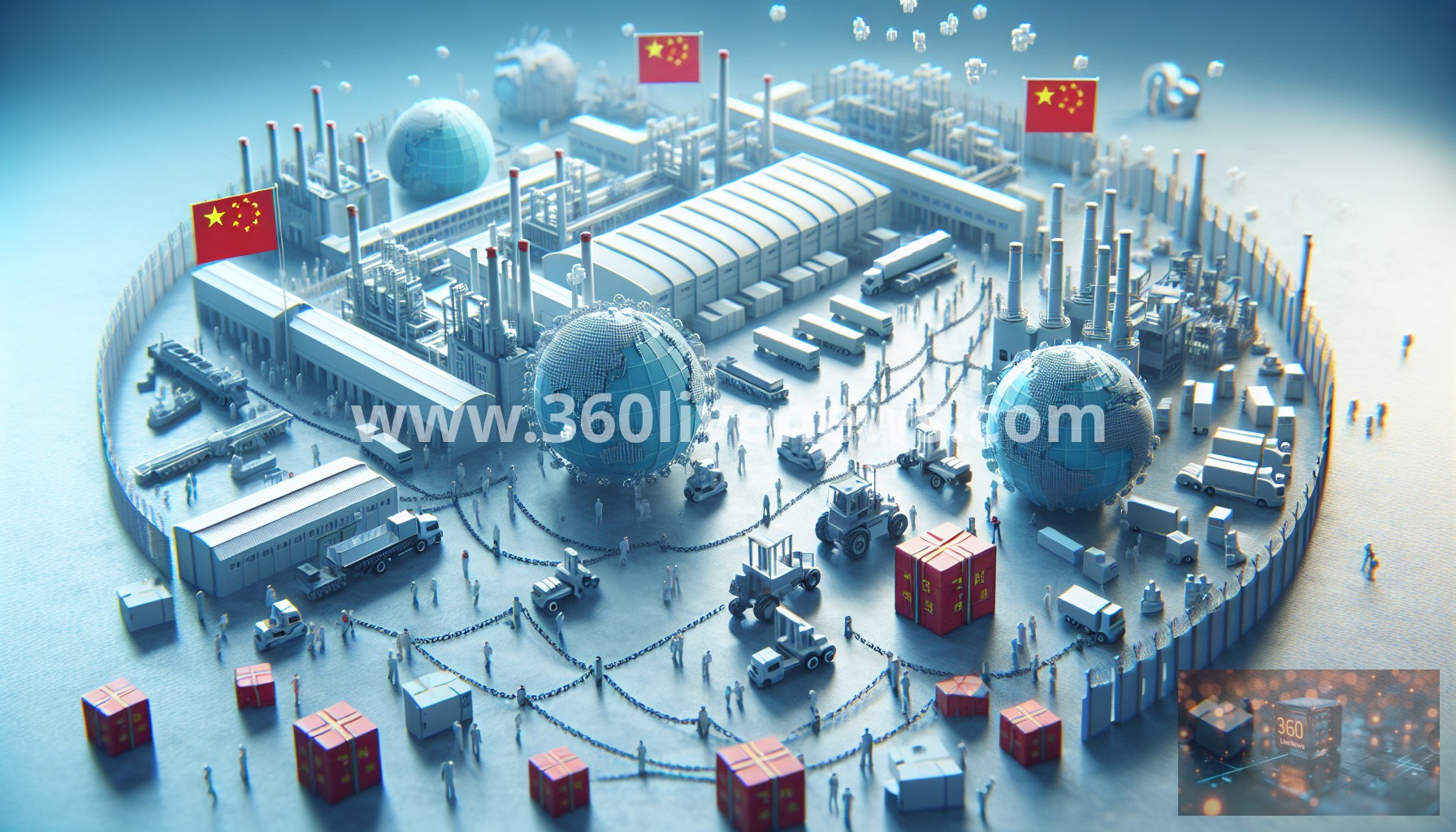
China has enacted a significant regulation aimed at strengthening its supply chain security, designating the protection of industrial and supply chains as a matter of national security. This new policy comes amid rising global uncertainties and economic tensions, marking a decisive shift in Beijing's approach to securing vital resources and ensuring the smooth operation of commerce. Though the regulation was passed on March 31, the full details were only released recently, emphasizing its urgent implementation.
The newly introduced regulation comprises 18 key points and delegates the authority to local officials to enact penalties against entities that jeopardize China's access to essential goods and resources. This marks a notable escalation in the government's ability to intervene in supply chain dynamics deemed critical to national interests. According to the provisions, officials are tasked with compiling a list of sectors crucial to both China's economic and national security, a move that highlights the government's intention to safeguard its industrial capacities against external shocks.
Furthermore, the regulation calls for enhanced strategic reserves and emphasizes the necessity for improved systems designed for emergency deployment. During crises, these reserves can be pivotal in maintaining stability in supply chains. In particular, Articles 14 and 15 empower the State Council, alongside relevant departments, to initiate investigations into external actions that could disrupt these supply channels. Such actions may include discriminatory trade practices, sanctions, or other restrictions that threaten China's supply landscape.
This proactive regulatory framework is a response to a complex global environment, where geopolitical tensions, trade disputes, and supply chain vulnerabilities have become increasingly pronounced. China's leadership perceives these measures as critical to bolstering its economic resilience amid heightened competition from other major economies. This regulation aligns with the broader strategy undertaken by China to enhance self-reliance in critical sectors, including technology and energy.
The introduction of these regulations does not occur in isolation but is part of a larger set of policies aimed at reinforcing China’s economic structural integrity. Over recent years, there has been a concerted effort to navigate external pressures, such as trade disputes with the United States and ongoing challenges posed by the COVID-19 pandemic. Navigating these vulnerabilities has underscored the need for robust legislative responses that can secure China's vital economic interests.
These developments occur as nations around the globe reevaluate their supply chain policies in the wake of various disruptions. Policymakers are increasingly recognizing the importance of national security in trade regulations. Beijing's latest initiative signals its commitment to protecting its economic landscape against external threats while attempting to fulfill the internal demand for goods and resources.
Experts suggest that this regulatory framework could exacerbate existing tensions in international trade, particularly if foreign businesses view these new regulations as a deterrent to investment or an impediment to normal commerce. For numerous multinational companies operating in China, the potential penalties for inadvertent violations of these regulations could lead to heightened compliance costs and operational risks.
The implementation of these measures will undoubtedly have repercussions not just within China but globally. As the world's second-largest economy, China's approach to protecting its supply chains will be closely monitored by other nations. The international community may seek to respond in various ways, potentially recalibrating their own supply chain strategies in a bid to mitigate similar vulnerabilities.
As the situation develops, it is crucial for stakeholders, both domestic and international, to stay informed about updates regarding these regulations. Understanding the implications of China's new supply chain security law will be vital in navigating the complexities of an interconnected global economy.
#China #supplychains #nationalsecurity #economy #StateCouncil #globaltrade #regulations #investment
