Chinese PLA Conducts Military Exercise to Enhance Response to Nuclear Contamination Scenarios Amid Rising International Tensions
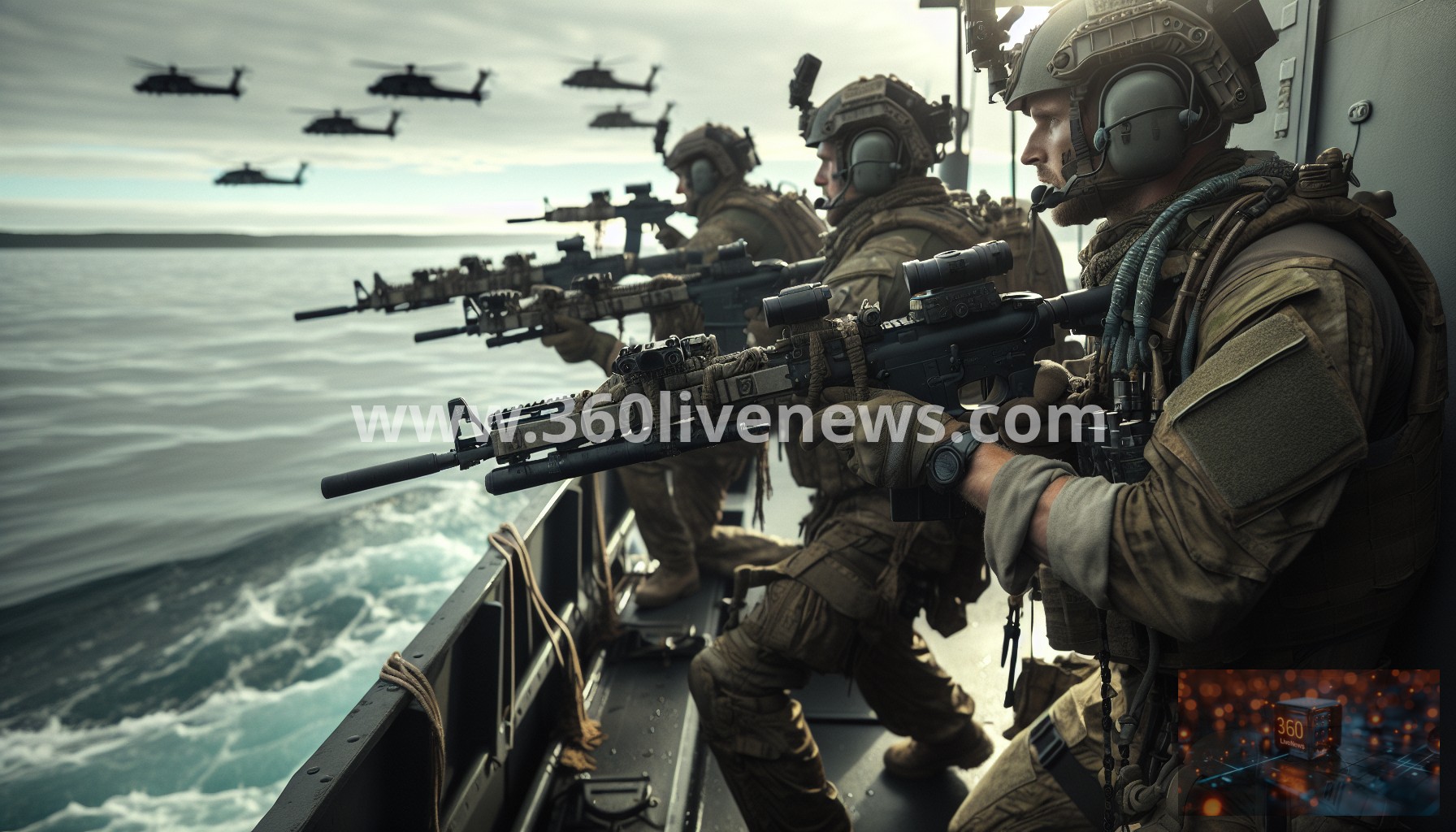
The Chinese People's Liberation Army (PLA) has conducted a significant military exercise amid heightened international tensions, particularly concerning nuclear threats and regional security dynamics. The drill, part of the Eastern Theatre Command's ongoing operational readiness program, was aimed at enhancing the troops' abilities to respond to nuclear contamination scenarios. The exercise focused on rapid detection and decontamination protocols within zones designated as hazardous, as reported by official sources.
In executing the drill, the PLA sought to "comprehensively hone the troops' ability and operational readiness" to manage emergencies that arise in complex battlefield environments. This initiative comes as part of broader military preparedness strategies given the geopolitical landscape surrounding China's interests, especially concerning Taiwan and Japan. The drill symbolises a serious commitment to maintaining defense procedures around critical infrastructures, which include several nuclear power plants located within the Eastern Theatre Command's coverage.
The timing of this exercise is particularly notable, following increased concerns regarding threats to critical nuclear facilities in Iran due to military actions attributed to the United States and Israel. Reports indicated an airstrike that landed perilously close, just 75 metres, from the Bushehr nuclear power plant in Iran. The International Atomic Energy Agency (IAEA) issued warnings about the potential for a severe radiological accident should operational plants come under fire. IAEA Director General Rafael Grossi emphasized that nuclear plant sites and their surrounding areas "should never be struck," indicating the grave implications of military engagements involving nuclear sites.
The geopolitical tension extends beyond Iran and includes rising friction between China and Japan. Recently, Japanese Prime Minister Sanae Takaichi's statements regarding potential military intervention in a conflict in the Taiwan Strait have increased unease in bilateral relations. China perceives any potential Japanese military involvement in Taiwan as a direct challenge to its sovereign claims over the territory, which is a crucial point of contention in East Asian politics.
As regional powers respond to provocations, the implications of military preparedness escalate. Drills like the one conducted by the PLA are not merely strategic exercises but serve as warnings to other nations regarding China's military capabilities and readiness to protect its territorial claims. Conversely, Japan's military posture, as highlighted by Takaichi’s comments, underscores the ongoing reevaluation of defense strategies in light of perceived threats from both North Korea and China.
Beyond immediate military ramifications, these developments spark broader discussions about nuclear safety in regions already fraught with historical animosities. The IAEA's warning serves as a reminder of the delicate balance between military readiness and the need to protect civil nuclear infrastructure that is vital for energy security. The risks associated with military operations involving nuclear facilities provoke fears of radiological catastrophes that could proliferate beyond national borders.
In the meantime, the response capabilities demonstrated in these drills reflect China's ambition to project power and influence over the Asia-Pacific region. Engagements and military drills signal a preparation not just for potential conflicts but also for addressing the broader implications of unforeseen security environments involving multiple nations.
As these tensions develop further, it remains critical for international actors to engage in dialogue aimed at de-escalation. The regional security architecture is under constant strain, and as incidents in East Asia unfold, the potential for miscalculations increases. Keeping lines of communication open will be crucial in mitigating risks of confrontation and ensuring lasting peace in the Taiwan Strait and surrounding areas.
In conclusion, the PLA's military exercise and the concurrent geopolitical tensions present a complex web of security issues. With the backdrop of warnings from the IAEA and statements from government officials in Japan and Taiwan, these developments necessitate close attention from global observers and policymakers. Future interactions among regional powers will be vital in determining the trajectory of security and diplomatic relations in East Asia.
#China #Military #Nuclear #IAEA #Taiwan #Japan #Asia #Geopolitics
