Fuel price protests disrupt milk collection from dairy farms, impacting agricultural operations and threatening farmers' livelihoods
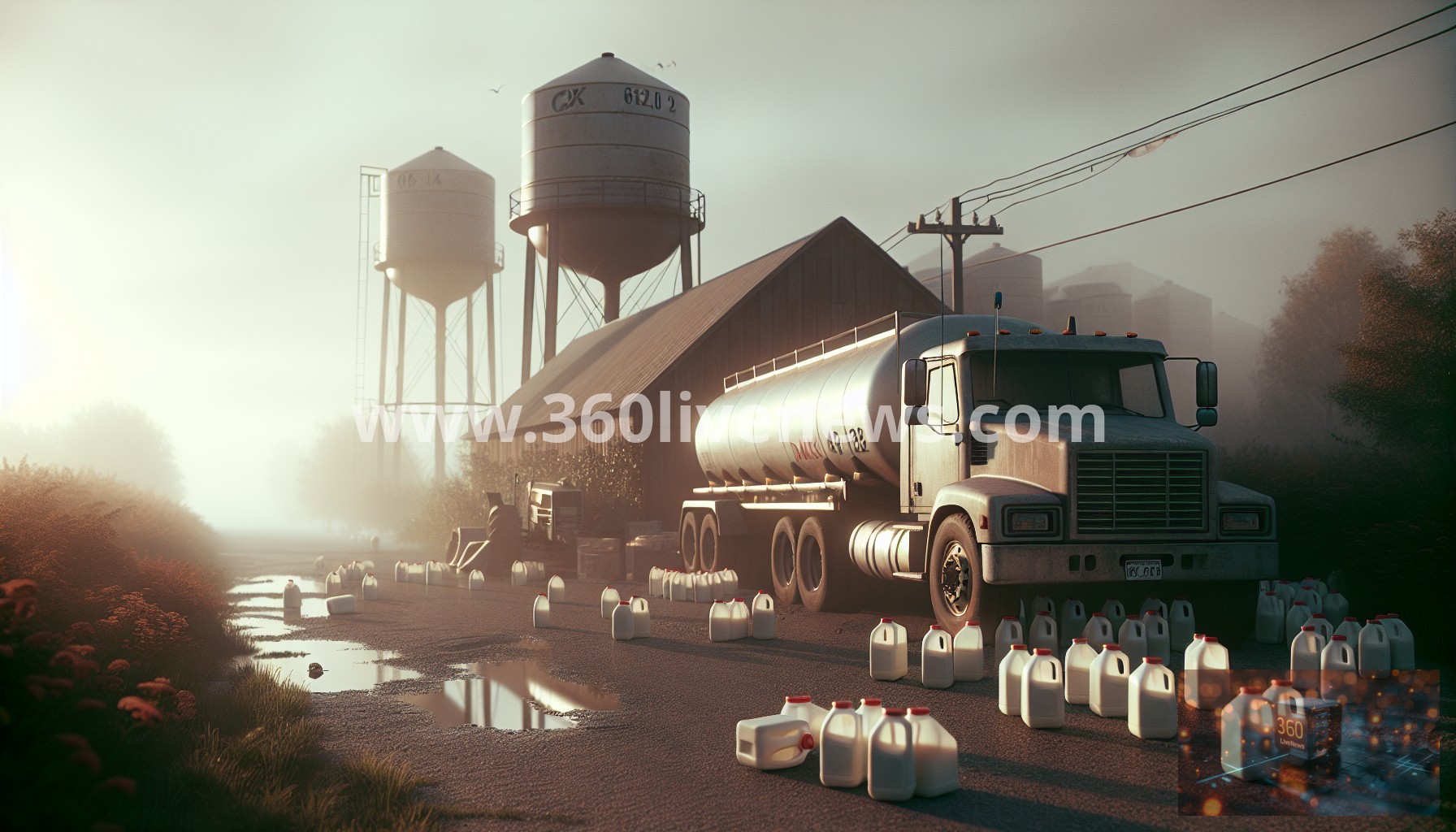
Fuel price protests are actively disrupting milk collection from dairy farms across the country, according to reports by Agriculture Minister Martin Heydon. These protests, rooted in broader issues concerning fuel prices, are significantly impacting agricultural operations, particularly threatening animal welfare and the livelihoods of farmers. Reports indicate that some milk tankers are not visiting farms, leaving dairy producers unable to sell their products, a situation which Minister Heydon has described as "denying them a means to make their living.”
In his statements, Minister Heydon has condemned the protests, highlighting that the blockages at key transportation ports are severely obstructing the supply chain. He noted that the protests are stopping essential feed ingredients from reaching feed mills, which poses serious implications for pig and poultry farmers as well. This disruption not only affects the dairy sector but has the potential to create cascading effects throughout the agricultural industry.
The Minister's serious tone reflects the urgency of the situation. He plans to meet with agri-food stakeholders on Friday to gain comprehensive insights into the challenges currently facing farmers and others affected by the ongoing protests. "We are maintaining close and continuous engagement with farmers, fishers, processors, and industry representatives to ensure we fully understand the challenges they are facing and can respond appropriately," he stated, emphasizing the government's commitment to address the issues stemming from the protests.
The current protests can be contextualized within a longer-standing tension regarding fuel prices, which have been a point of contention for various sectors. Farmers have expressed their frustrations on multiple occasions, linking the high costs of fuel directly to their operational viability and overall profitability. As fuel prices have surged, the economic strain on farmers has intensified, compounding existing difficulties within the agricultural sector established over recent periods.
Historically, the agriculture sector has faced various challenges from fluctuating fuel prices, which directly affect farming activities including planting, harvesting, and transportation. High fuel costs not only elevate operational expenses but also place a burden on fertilization and cultivation, leading to reduced agricultural outputs and struggling profit margins. Farmers voice a need for more sustainable practices and government support to mitigate these issues and ensure their long-term viability.
In terms of immediate consequences, the halt in milk collection can lead to significant wastage, particularly in the dairy industry, where milk has a limited shelf life. Furthermore, unresolved issues regarding animal feeding could create long-term repercussions on livestock health and productivity. Without adequate feed supplies due to blocked transport routes, farmers may find themselves in a dire situation, facing potential losses and animal welfare violations.
The implications extend beyond individual farmers. In the broader economic landscape, the agricultural sector is critical for ensuring food security and driving rural economies. Disruption in this sector can lead to inflationary pressures on food prices, which many consumers are already grappling with amid rising living costs. Failure to resolve these disruptions promptly may exacerbate existing tensions between consumers and producers, fueling discontent in a rapidly evolving economic environment.
Expert analyses point to a need for long-term policy adjustments to prevent the repetition of such disruptions. As public protests indicate broader societal concerns regarding the cost of living, agricultural stakeholders argue that it is vital for the government to explore alternative energy solutions while enhancing infrastructure resilience. Providing farmers with better resources and emergency plans could vastly improve their adaptation to fluctuations in fuel prices, reducing the risk of severe impacts from such protests.
The ongoing situation underlines the need for a cohesive dialogue between the government, farmers, and industry representatives to address systemic issues affecting both the production and transportation of agricultural goods. The recent events serve as a reminder of the interconnectedness of different sectors, particularly how protests over fuel prices can lead to challenges in food production and economic stability. As the government prepares for discussions with key stakeholders, the focus remains on ensuring that these disruptions are resolved effectively, safeguarding both farmers and consumers.
#Agriculture #FuelPrices #Protests #FoodSecurity #Livestock #SupplyChain #AnimalWelfare #EconomicImpact
