European Commission to Discuss Potential Sanctions Against Israel Amid Rising Violence in Lebanon
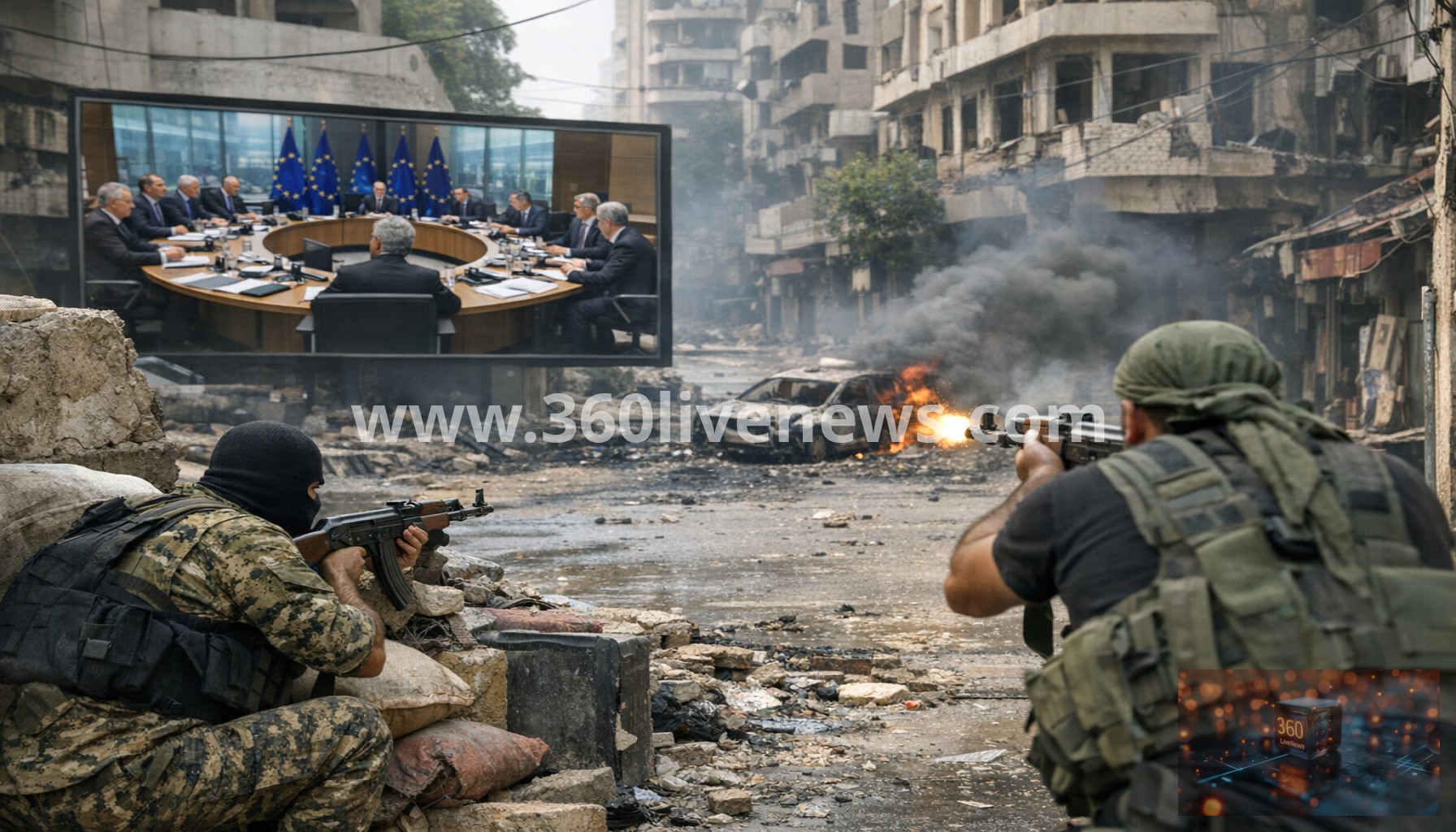
As violence escalates in Lebanon, the European Commission has renewed discussions regarding potential sanctions against Israel, referring to recent military actions that resulted in significant civilian casualties. A European Commission spokeswoman stated that "measures are still on the table," with President Ursula von der Leyen scheduled to hold emergency talks on the situation with her 26 commissioners on Monday.
Reports indicate that Israeli airstrikes on Wednesday resulted in the deaths of approximately 200 civilians, prompting widespread condemnation from EU officials. Kaja Kallas, the EU's foreign affairs chief, emphasized that the heavy civilian toll makes it challenging to justify Israel's actions as self-defense. These developments come on the heels of Iran's decision to close the Strait of Hormuz, a critical chokepoint for global oil transit, further heightening tensions in the region.
The ongoing conflict in Lebanon, described by critics as "horrific carnage," aligns with broader regional dynamics, where Iran's leadership navigates the fallout from U.S.-Israeli military pressure. As Iran asserts itself in this precarious landscape, its reclosure of the Strait of Hormuz underscores the lengths to which it may go to exercise control over strategic maritime routes and assert its regional influence.
In parallel, Chinese experts have suggested innovative payment mechanisms for potential tolls in the Strait of Hormuz, proposing options that could link transit fees to oil prices or utilize digital tokens for settlements. Such proposals aim to address the ongoing debate over toll implementation while navigating the complexities of international trade and diplomacy in a context marked by heightened military activity.
These developments are set against a backdrop of intensifying geopolitical maneuvering, particularly as international bodies like the EU weigh their response to allegations of human rights violations in conflict areas. The situation remains fluid, with the potential for quickly changing dynamics as further military actions may influence diplomatic relations between involved parties.
This escalation of violence in Lebanon, alongside the renewed focus on sanctions and Iran's strategic maritime initiatives, raises critical questions about the future of military engagements in the region and the international community's ability to mediate effectively in an increasingly volatile environment.
#Iran #Israel #EU #Sanctions #Strait_of_Hormuz #Lebanon #Military_Escalation #Geopolitics
