Cuba's foreign minister accuses US of coercion in efforts to dismantle medical agreements with Latin American countries
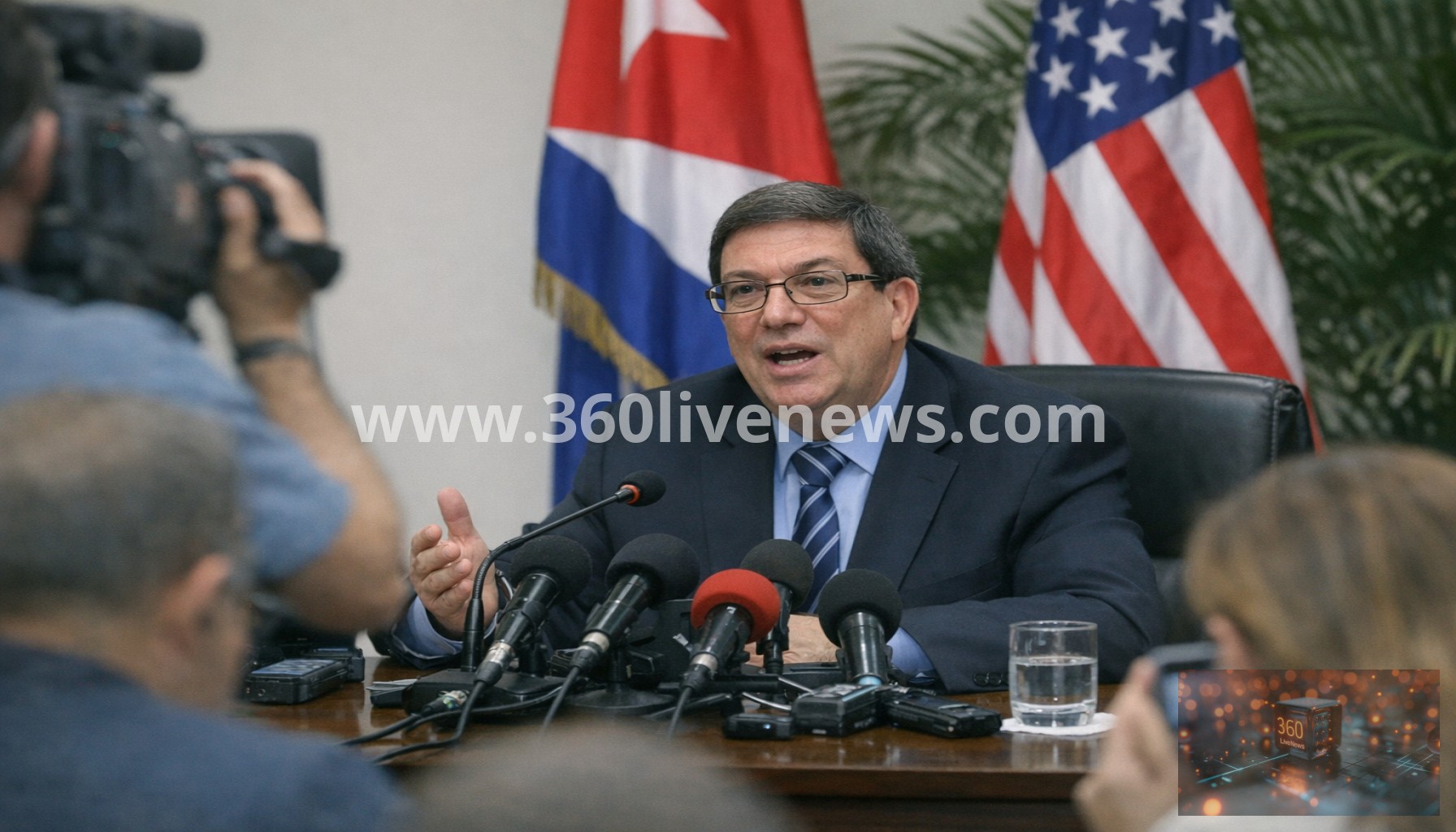
Cuba's foreign minister, Bruno Rodríguez, has accused the United States of engaging in coercive tactics aimed at dismantling longstanding medical agreements between Havana and several Latin American countries. These deals have allowed Cuba to send thousands of its doctors on medical missions abroad, generating substantial revenue for the country's economy.
Rodríguez's remarks come after reports surfaced indicating that several nations have begun to sever their contracts with Cuba, a potential blow to the island's economy which heavily relies on these foreign medical deployments. According to him, the United States is exerting pressure on these countries, in what he describes as an extortionate attempt to "strangle" Cuba’s economic viability.
Historically, Cuba has operated medical missions as a means to bolster its economy and extend its influence in the region. The program, characterized by Cuba's capacity to send large contingents of healthcare practitioners to various countries in need, has been regarded not only as a source of national pride but also as a vital income source since the 1960s. The Cuban government claims that these missions are humanitarian in nature, focusing on improving health services in underserved areas.
From the perspective of the United States, however, the Cuban doctors program is framed as exploitative, with officials asserting that the arrangements amount to forced labor. This perspective has been emphasized in various statements by the U.S. government as part of a broader strategy of maximum pressure aimed at the Cuban regime. Such policies were notably intensified during the administration of former President Donald Trump, who took a hardline stance against the Cuban government since he assumed office.
This situation reflects an ongoing tension in U.S.-Cuba relations, which have been historically fraught since the 1959 Cuban Revolution. Following this transformative event, Cuba and the United States entered a prolonged period of diplomatic hostility, punctuated by various sanctions and attempts to undermine each other's political systems. The current crisis surrounding the doctors program specifically highlights how geopolitical dynamics can influence bilateral relationships and economic agreements in the region.
The ramifications of the U.S. pressure are significant for Cuba, given that the medical sector stands as a cornerstone of its international economic strategy. Countries such as Brazil and Venezuela have been traditional partners in these medical missions, and any reduction in Cuban doctors deployed abroad not only jeopardizes Cuba's revenue but also undermines its regional influence.
In response to these allegations, the U.S. government has maintained that it is acting in accordance with its national interests and with humanitarian principles, asserting that it aligns with efforts to promote human rights in Cuba. This dual narrative complicates the perception of the Cuban medical missions and underscores the geopolitical chess game at play. As Latin American countries weigh the implications of distancing themselves from Cuba, the pressure from the U.S. serves as both a challenge and a test of these nations' diplomatic loyalties.
The pressing question now is how this situation will evolve. Will more Latin American countries succumb to U.S. pressure and cut ties with the Cuban medical program? The long-term effects on Cuba's economy and its global standing remain to be seen, as international responses may also pivot depending on evolving political landscapes and domestic pressures within these nations.
Overall, the situation encapsulates a broader narrative where geopolitical interests intersect with humanitarian efforts, raising concerns about the moral obligations of nations engaged in international cooperation in health care. As Cuba continues to advocate for its medical mission program, it remains to be seen how effectively it can sustain these relationships in the face of escalating U.S. pressure.
#US #Cuba #doctors_program #medical_missions #BrunoRodríguez #LatinAmerica #forcedlabor #DonaldTrump