Cuban Foreign Minister Accuses US of Extorting Latin American Countries Over Medical Cooperation Programs
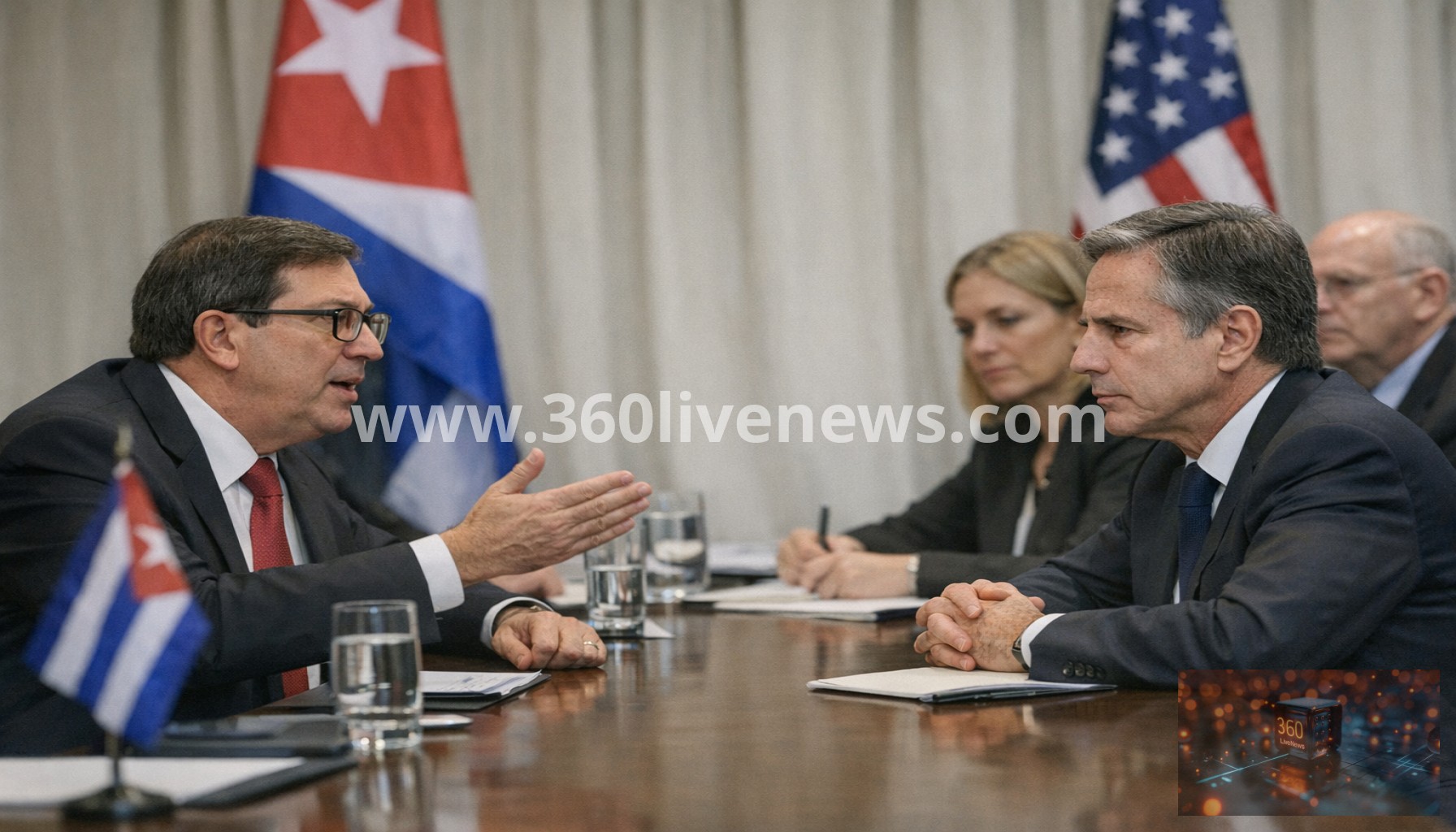
In an escalating diplomatic confrontation, the Cuban foreign minister, Bruno Rodríguez, has accused the United States of "extorting" Latin American countries into terminating longstanding agreements that allow Cuba to send doctors abroad. This accusation came to light on Thursday amid reports that several nations have halted their participation in these medical cooperation programs, which have historically been a significant source of revenue for the Cuban economy. Rodríguez characterized the US actions as an attempt to "strangle" the economy of the communist island, which relies heavily on foreign medical missions that have been in place since the 1960s.
The Cuban medical missions provide essential health services to various countries, contributing billions of dollars to the national economy. However, the US government has condemned the program, arguing that it amounts to forced labor. The current US administration, under President Donald Trump, has intensified a campaign of maximum pressure against the Cuban regime, which includes preventing international medical collaborations. This situation reflects a broader trend of US foreign policy towards Cuba, particularly its active efforts to isolate the island politically and economically.
The accusations of extortion arise amid broader tensions involving Cuba's role in regional health diplomacy. Countries such as Brazil and Bolivia have previously been involved in agreements with Havana, receiving medical personnel in exchange for various forms of cooperation. The recent cancellations of these contracts may indicate a shift in political alliances influenced by American pressure. In this context, the US has issued clear statements asserting that these Cuban missions exploit medical professionals, a narrative aimed at undermining the legitimacy of the Cuban government’s programs.
Historically, Cuba's international medical collaboration programs have been a point of national pride, with the government touting its exceptionalism in providing healthcare to impoverished and underserved populations worldwide. These missions have not only served as a source of income but have also helped solidify Cuba's influence in various regions, particularly in Latin America and Africa. The intensifying US stance against these efforts could diminish Cuba’s soft power at a time when many countries are reevaluating their foreign partnerships.
This long-standing feud has roots that extend beyond economics, symbolizing the continued ideological battle between the US and Cuba since the revolution of the late 1950s. The adversarial relationship has been characterized by numerous US-imposed sanctions and diplomatic isolation efforts aimed at overturning the communist government in Havana. In recent years, however, several Latin American nations have demonstrated growing resistance to US dictate, leading to a complex entanglement of regional geopolitics involving alliances and rivalries.
Understanding this conflict requires examining the broader geopolitical context, particularly the influence of US policies under different administrations. President Trump’s aggressive stance has been reminiscent of Cold War strategies, where the primary focus was on containing and challenging the influence of communism in the region. By framing medical economic partnerships as exploitative, the US is seeking to delegitimize Cuba’s claims to humanitarianism while attempting to reposition allied countries in Latin America against Havana.
The consequences of these actions are significant not only for Cuba but also for the countries being pressured. Some of these nations may face instability as they navigate the US's stringent diplomatic demands, which could lead to public protests and a reevaluation of their international alliances. Meanwhile, Cuba may experience increased economic hardship and a potential humanitarian crisis if its medical missions remain under threat.
Experts have noted that the implications of the US intervention into Cuba's medical diplomacy could have ripple effects throughout the region. It raises questions about the viability of international medical missions where nations like Cuba have historically played leading roles. The delicate balance of regional health security could be impacted as other countries may opt to follow the US lead, which prioritizes political interests over humanitarian cooperation.
Given the charged geopolitical atmosphere, this situation remains fluid and full of ramifications. As Cuba and the US continue to engage in this tit-for-tat of diplomatic accusations, the role of international organizations and responses from Latin American allies will be crucial in shaping the future of these healthcare initiatives and regional dynamics. The developments will undoubtedly be watched closely by various stakeholders in the health, economic, and political arenas.
#Cuba #US #BrunoRodríguez #diplomaticTensions #foreignPolicy #LatinAmerica #healthcare #medicalMissions