Australians traveling to Europe face new biometric border control measures under Entry/Exit System
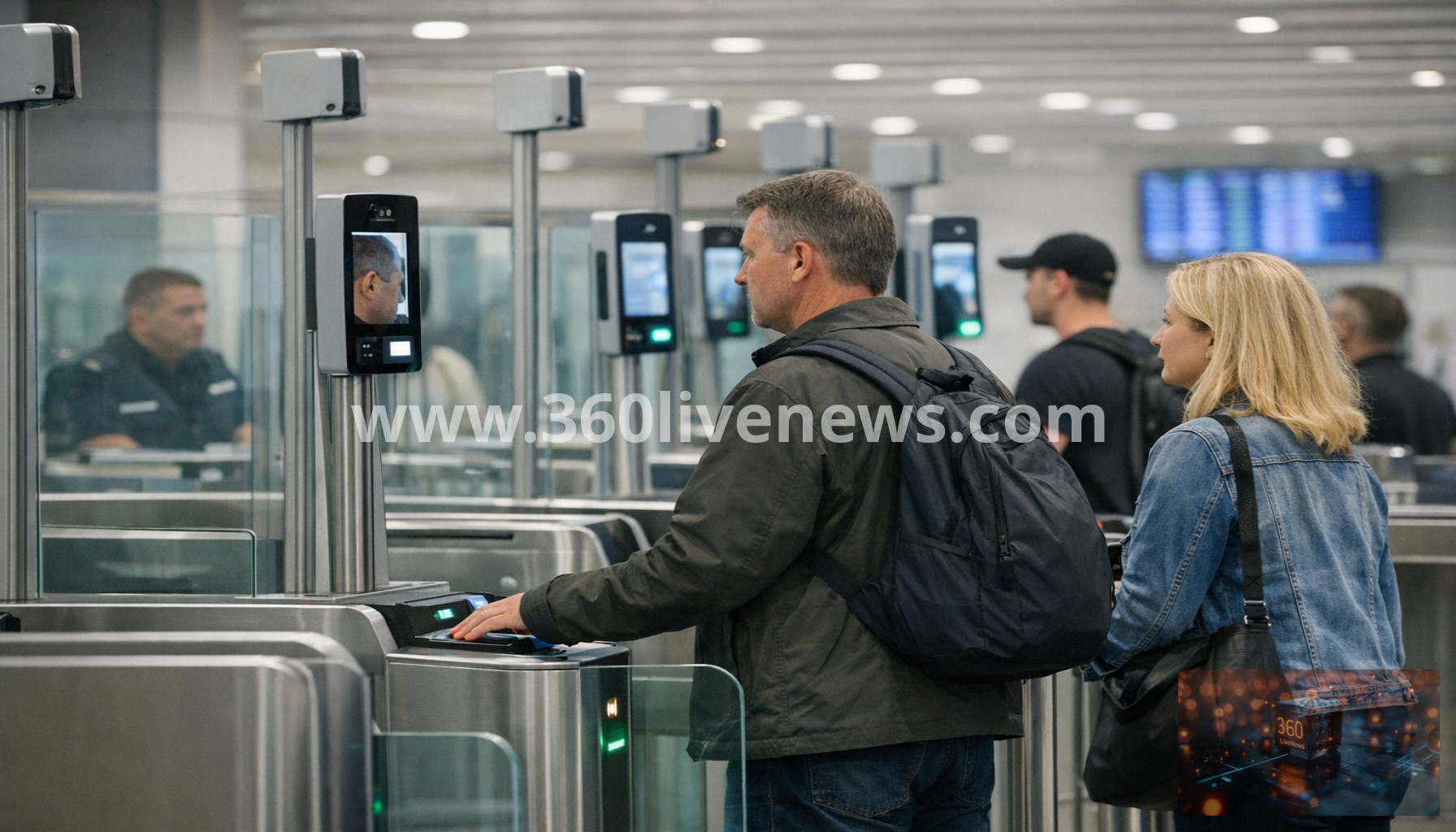
As of today, Australians traveling to Europe are subject to enhanced border control measures, which see biometric data collection integrated into the immigration process. Under the new Entry/Exit System (EES), travelers will have their faces scanned and fingerprints taken upon entering any of the 29 participating countries. This major shift replaces traditional passport stamps, aiming to streamline tracking of individuals entering and leaving the continent.
The implementation of EES comes amid ongoing conflict in the Middle East, which has heightened concerns about air travel safety and efficiency. Officials expect significant queues and delays at airports and land borders as travelers adjust to the new security protocols. European authorities have stated that the digitization of entry will not only improve monitoring but also enhance overall security levels across the Schengen Area, which includes some of Europe’s most prominent tourist destinations.
According to information from EU officials, the EES is designed to collect and store biometric information such as fingerprints and facial recognition data from travelers. This system aims to assist in identifying overstayers and improving overall border management. As the system goes into full effect, measures are being taken to ensure that travelers are prepared for the changes, with various travel agencies advising clients on expected delays.
The introduction of this biometric entry system follows years of discussions among European leaders about refining border security, particularly in the wake of increased migration flows and security threats linked to international conflicts. Significantly, the EES aligns with broader initiatives by the European Union to enhance cooperation among member states in issues related to border control.
As countries worldwide grapple with the implications of global travel in light of health and security considerations, the EES represents Europe's push toward adopting technological innovations. Experts from the travel industry predict that while there will be initial delays, the long-term benefits of a more secure and efficient border processing system will outweigh immediate inconveniences.
Travelers are advised to familiarize themselves with these new requirements ahead of their journeys. The EES is expected to capture biometric data not just from Australians, but also from travelers of other nationalities, as part of a comprehensive approach to border security within Europe. The shift to biometric data collection reflects a growing trend among nations that prioritize digital security measures in response to contemporary travel challenges.
This newly established protocol marks the latest in a series of changes to enhance secure travel within Europe. As international conflicts disrupt not only air travel but also logistical operations, European authorities are under pressure to maintain operational integrity in their borders. The push for advanced monitoring systems such as the EES echoes similar practices adopted worldwide in various regions dealing with public safety and security threats.
As travelers adapt to the EES, ongoing reports of travel delays are emerging across various airports. Airport operators and authorities have urged passengers to arrive well in advance of their scheduled flights to account for the new biometric checks, setting the stage for a potentially chaotic travel experience in the wake of the changes.
The geopolitical implications of tightening border measures also raise questions about how these changes may impact trade and mobility within Europe. While intended to enhance security, the system's implementation could see an unintended consequence of reduced movement across borders, affecting tourism and commerce. As European nations evaluate their security postures, the success of the EES will be watched closely—potentially setting a precedent for other international travel protocols in the future.
#EU #biometricdata #EES #bordercontrol #Europetravel #MiddleEastconflict #travelchanges #security