UK Confirms Tracking of Three Russian Submarines in High North Maritime Region
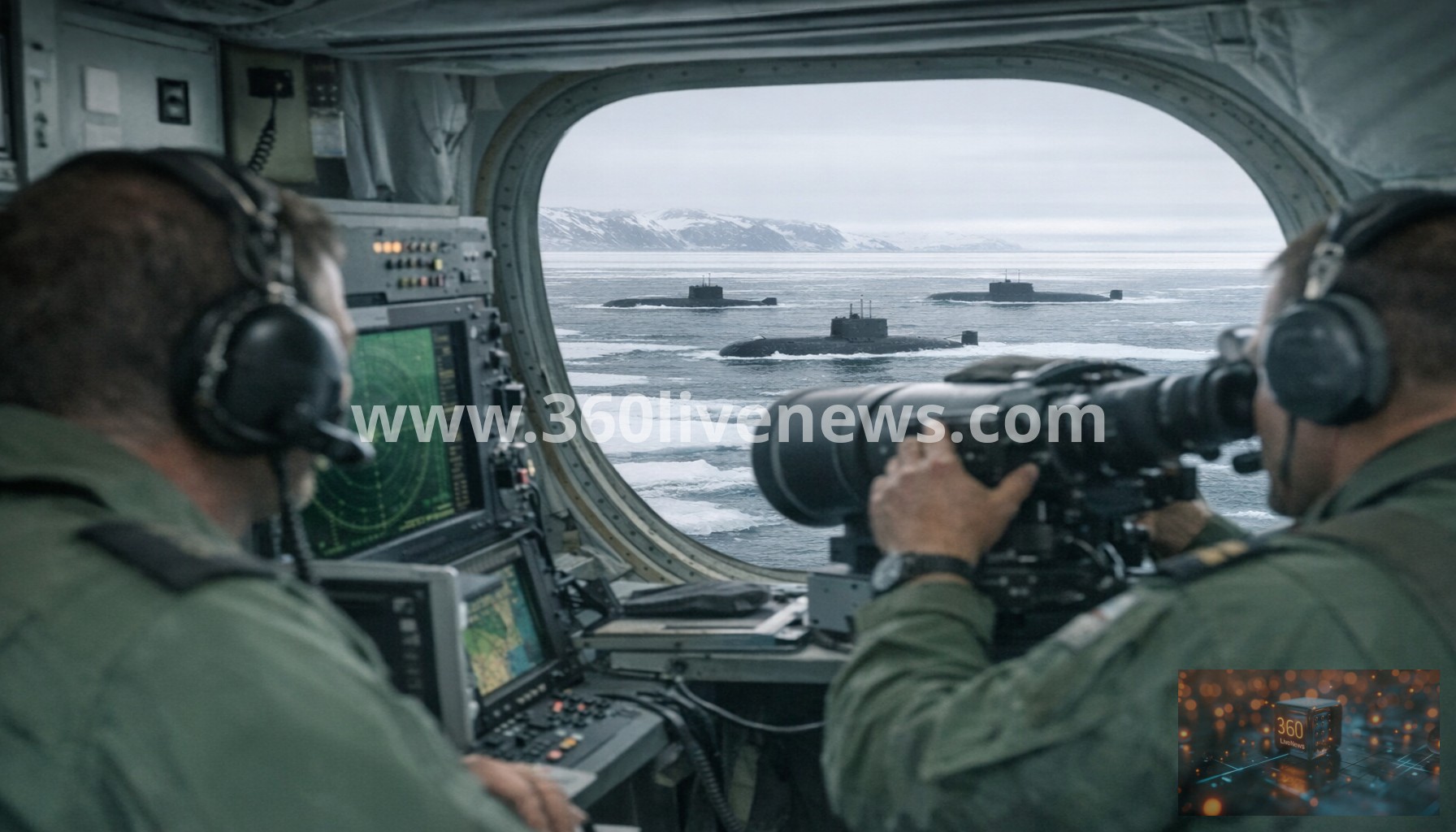
In a recent development, the United Kingdom has confirmed the tracking of three Russian submarines in its waters, specifically within the High North maritime region, a critical area known for its vital shipping routes and undersea cables. This operation, described as covert, has lasted for approximately one month, according to British Defence Minister John Healey, who highlighted the efforts made to deter Russian naval activity without finding evidence of any damage to undersea infrastructure.
During a press conference held today, Healey emphasized the operation's dual purpose: not only to safeguard national interests but also to send a clear message to the Russian government about its activities around UK-controlled undersea cables and pipelines. “I am making this statement to call out this Russian activity. And to President Putin, I say this: we see you, we see your activity over our cables and pipelines. Any attempt to damage them will not be tolerated and will have serious consequences,” Healey asserted.
The British operation reportedly involved various military assets, including warships and aircraft, to monitor the movements of the Russian submarines. This proactive approach reflects the increased concerns regarding the proximity of Russian naval operations to strategic infrastructures that could potentially be threatened amid rising geopolitical tensions. Healey's remarks suggest a broader strategy of transparency and deterrence, aiming to bolster regional security in contested maritime spaces.
This incident comes at a time of heightened awareness regarding military activities in the maritime spheres, particularly in northern Europe. The UK's commitment to maintaining a robust defence posture is part of a wider alliance strategy involving NATO, as tensions continue to simmer between Western countries and Russia. Indeed, this tracking operation further illustrates the complexities of maintaining security in an era of renewed power projection by Russia, especially in regions historically characterized by strategic interests.
The UK’s maritime domain awareness has been a priority for the Ministry of Defence, leading to the deployment of various surveillance assets. Recent months have seen an uptick in Russia's naval operations, which coincide with Britain’s emphasis on securing its maritime interests in the face of assertive military activities. This includes not only traditional military measures but also diplomatic initiatives aimed at fostering stronger alliances and partnerships in the region.
In the broader context, the Cold War-style posturing amidst submerged threats to critical infrastructure poses questions about the future of maritime security. Experts argue that the operational visibility demonstrated by the UK serves as a crucial countermeasure against potential hostile actions aimed at undersea cables, which are vital for global telecommunications and economic stability. The implications of such military encounters have significant ramifications for international relations, especially relating to energy security and maritime navigation.
Historically, the UK has faced challenges related to the security of its maritime borders, with past incidents highlighting vulnerabilities to both physical threats and cyber operations. The increasing sophistication of underwater military capabilities necessitates a reevaluation of maritime security frameworks among European nations. The UK's recent tracking efforts underscore an evolving military strategy adapting to contemporary threats posed by state actors in the maritime domain.
While the details of the ongoing operation remain classified, the British government has expressed unequivocal resolve to boost its defensive capabilities against potential intrusions by foreign naval forces. The operational findings shared by Healey reflect a commitment to maintaining national security while challenging aggressive posturing from rival nations. As global tensions continue to evolve, the strategic stability of the High North region will remain a focal point of interest for military analysts and policymakers alike.
This incident has broader implications for international cooperation and the role of NATO in establishing a unified response to emerging threats from Russia. The organization’s collective defence agreements and military readiness are put under scrutiny, particularly as Russia’s military maneuvers challenge the security infrastructure in Europe and beyond. The UK’s actions will likely influence collaborative efforts within the alliance to reinforce deterrent measures across the continent.
#UK #Russia #DefenceMinistry #NATO #maritime #security #geopolitics #militaryoperations