EPA Proposes Rollback of Coal Ash Disposal Regulations Amid Environmental Concerns
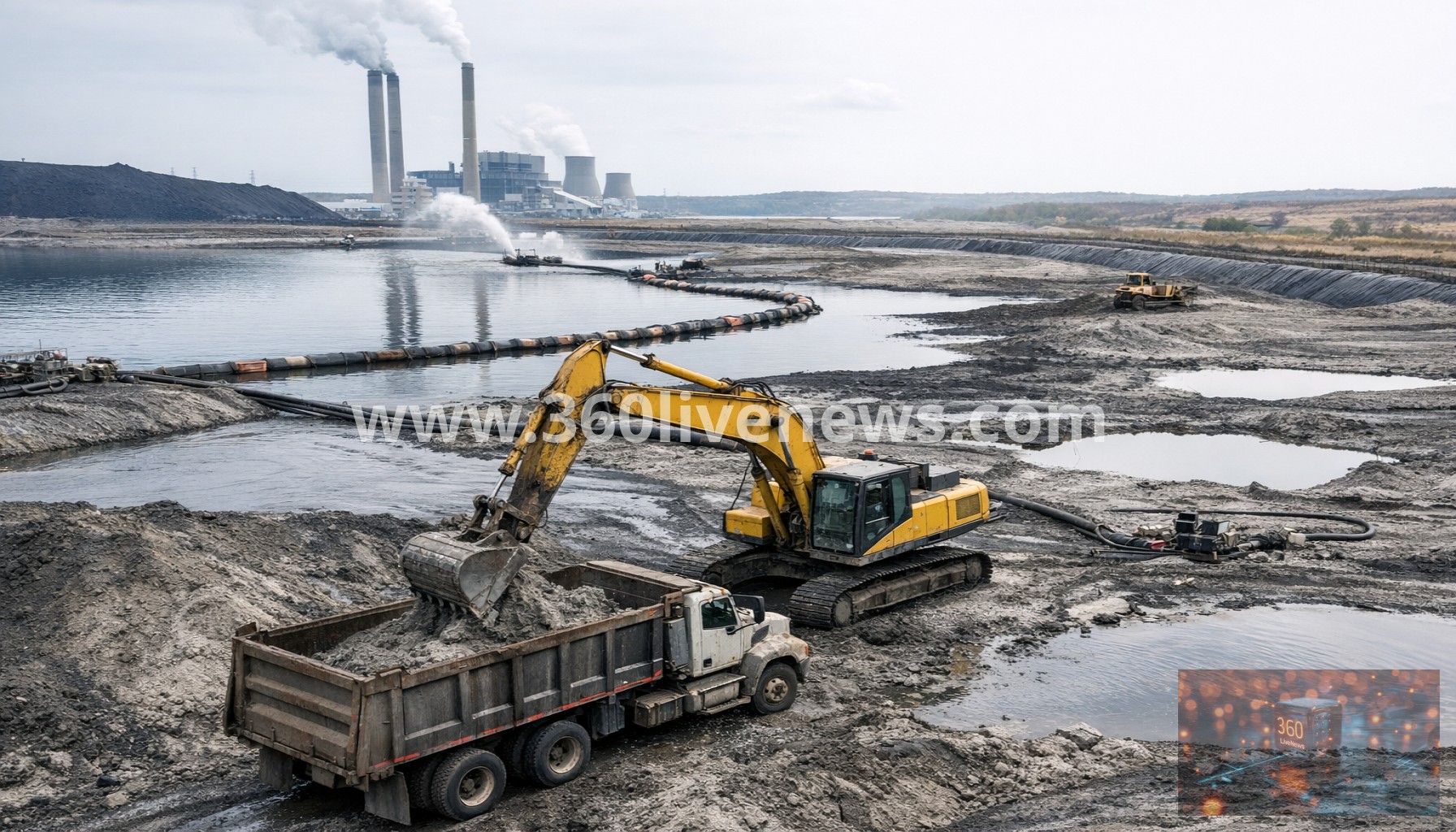
The United States Environmental Protection Agency (EPA) has proposed a significant rollback of regulations concerning the disposal of coal combustion residuals, commonly known as coal ash. This proposal, revealed on Thursday, follows the stringent rules instituted under the Biden administration aimed at reducing pollution from coal-fired power plants. Environmental advocates are raising alarms that these changes could heighten the risk of groundwater contamination and increase exposure to toxic waste.
The move to revise the coal ash disposal regulations seeks to ease requirements put in place during the previous administration, which focused on stricter monitoring of groundwater and mandated that entire coal properties be cleaned up rather than just sections where ash had been dumped. The EPA's current proposal is viewed as a strategic shift intended to facilitate coal ash reuse in other applications while loosening the regulatory framework designed to protect public health and the environment.
Lee Zeldin, the EPA administrator, articulated that the proposal underscores the agency's commitment to "restoring American energy dominance" and promoting what he termed "cooperative federalism." This phrase generally refers to the delegation of authority to states while allowing the federal government to set baseline standards. Critics contend that this approach may compromise environmental safeguards that were previously put in place, emphasizing that coal ash contains heavy metals such as arsenic, lead, and mercury which pose significant health risks if not managed properly.
The disposal of coal ash is particularly concerning given that many coal power plants are located near water bodies, including rivers and lakes, leading to fears about potential contamination if the ash is not properly contained. In the past, improper disposal of coal ash has resulted in high-profile environmental disasters, underscoring the importance of rigorous regulations to prevent toxic pollutants from leaching into the water supply.
Under the proposed changes, monitoring requirements will be less rigorous, reducing the frequency and scope of testing for pollutants in nearby water resources. This aspect of the proposal has raised substantial opposition from environmental groups, who argue that it could expose communities to dangerous levels of contaminants. Studies linked to coal ash pollution have documented cases where communities near improperly managed coal ash sites have faced health complications, prompting calls for stronger regulations rather than relaxed ones.
This proposition to amend coal ash regulations comes on the heels of an ongoing national dialogue regarding energy production and environmental responsibility. As the U.S. grapples with the transition to renewable energy sources, policies affecting fossil fuel industries are under intense scrutiny. The current administration's stance on coal ash disposal reflects broader policies that favor energy production that critics argue overwhelmingly benefits the coal industry at the potential expense of public health and environmental integrity.
In recent discussions, environmentalists and public health advocates have expressed their concerns over the implications of lax disposal regulations, emphasizing that clean water is fundamental to living conditions. By rolling back these regulations, they warn the government may exacerbate long-standing issues related to pollution, especially in economically disadvantaged communities that often bear the brunt of environmental hazards.
The proposed changes to coal ash disposal regulations appear to resonate with broader trends in energy policy discussions, where the balance between economic interests in fossil fuel industries and the demand for stricter environmental protections often becomes contentious. Critics argue that prioritizing energy production without adequate environmental oversight may lead to dire consequences, asking whether the push for "energy dominance" might overshadow community health and safety.
The EPA's move, while in line with proponents of increased energy production, has significant implications for environmental governance in the U.S. As public hearings and comment periods follow this proposal, stakeholders from various sectors will likely engage in fervent debates about the future of coal ash regulation and its impact on environmental health. The outcome of this policy shift may set precedents not just for coal ash but for how the U.S. handles toxic waste disposal moving forward, particularly in contexts where economic and environmental interests collide.
#EPA #CoalAsh #Regulations #Environment #PublicHealth #ToxicWaste #Groundwater #EnergyPolicy