Victoria to trial low-sensory voting facilities in all 88 Lower House districts for neurodivergent voters in upcoming State Election
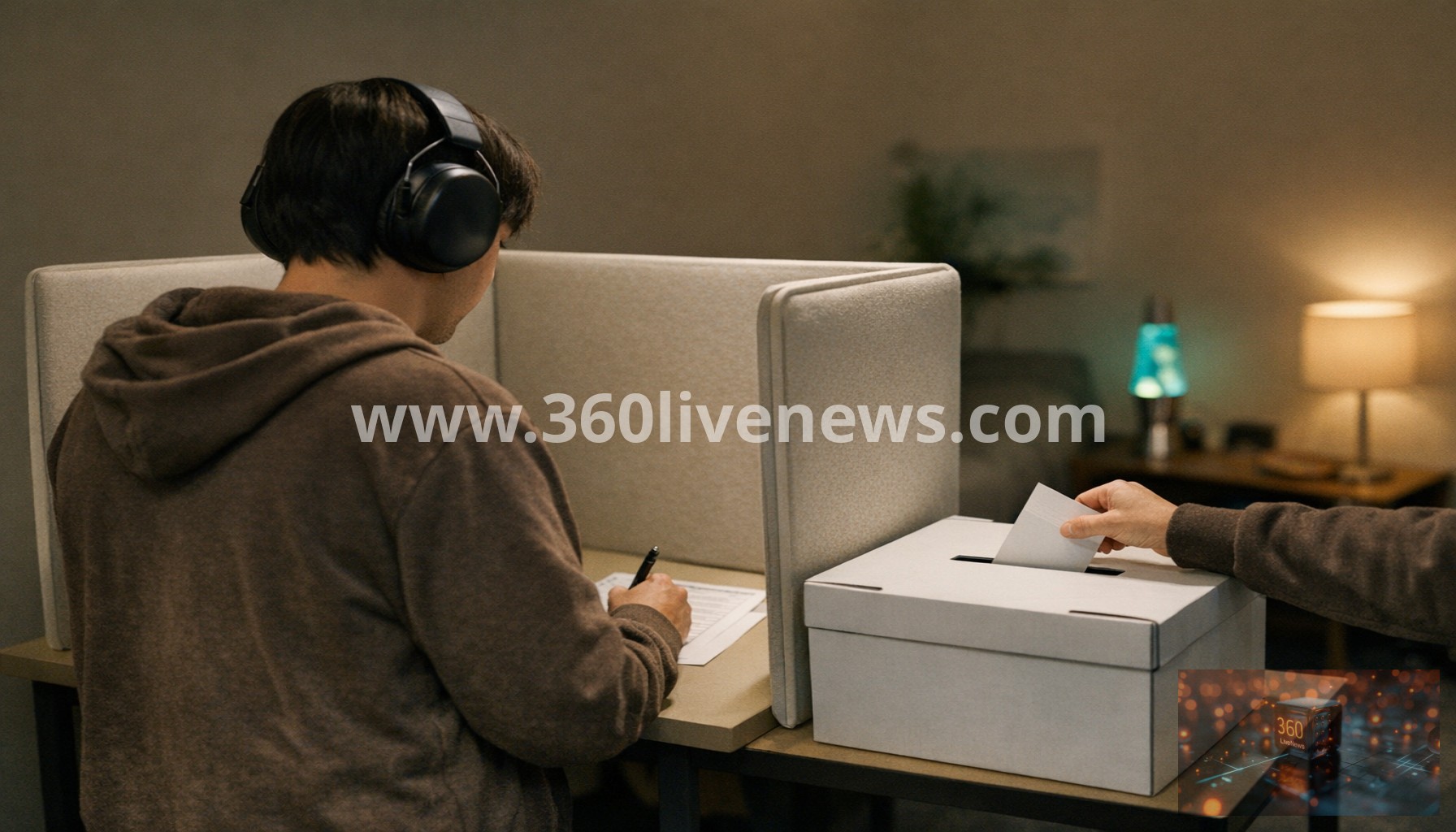
Victoria has announced a significant initiative aimed at supporting neurodivergent voters in the upcoming State Election set for November. The Victorian Electoral Commission (VEC) has confirmed that it will implement the nation’s largest trial of low-sensory voting facilities, aimed at creating an inclusive voting environment for individuals who experience sensory sensitivities.
In this trial, dedicated low-sensory voting centres will be made available in all 88 Lower House districts across Victoria. These facilities will feature adaptations designed to reduce sensory overload, including reduced sound levels, moderated lighting, subdued visuals, and controlled crowd sizes. The intention is to ensure that neurodivergent voters can participate in the electoral process without facing overwhelming stimuli often present in traditional voting environments.
The VEC has taken proactive steps to identify and secure suitable locations for these low-sensory centres, emphasizing the necessity of making the voting process accessible for all individuals, particularly those with conditions such as Autism Spectrum Disorder, ADHD, or sensory processing disorder. The commitment to inclusivity represents a growing recognition of the diverse needs of voters within the democratic process.
In earlier phases of improving electoral accessibility, the VEC has engaged with various advocacy groups and specialists in the neurodivergent community to ensure these measures are effective and accommodating. The input from these stakeholders has been vital in shaping the facilities to better serve those who might find conventional voting settings challenging.
Moreover, this initiative corresponds with a broader trend in Victoria and Australia to enhance voting access for marginalized communities. Similar measures have been observed in other states, reflecting an evolving understanding of the importance of inclusive democratic practices. For instance, there has been an ongoing push to increase accessibility for individuals with disabilities across various aspects of civic life, including public services and events.
This low-sensory voting trial is especially noteworthy in a global context, where many countries are beginning to recognize the need for accommodations for neurodivergent individuals in civic engagement. The success of such initiatives could serve as a model for other regions, both within Australia and internationally. Additionally, it signals a commitment from local authorities to uphold the principles of equity and representation in governance.
As the election approaches, the VEC’s low-sensory voting centres will undergo testing and final adjustments to ensure they meet the needs of neurodivergent voters effectively. Feedback gathered during the trial will be crucial for determining how such facilities can be integrated into future elections, shaping the approach taken by electoral commissions across the nation.
Public awareness and support for this initiative are also vital. The VEC has begun a campaign to inform neurodivergent individuals and their advocates about the low-sensory options available, highlighting the importance of participation in the electoral process. With proactive outreach, officials hope to encourage broader engagement and ensure that affected individuals feel welcomed and valued in their civic duties.
This development marks a pivotal moment for electoral accessibility in Victoria. By addressing the specific needs of neurodivergent voters, the State Election will not just facilitate voting but also reinforce the values of inclusivity and representation that underlie the democratic process. As this trial unfolds in November, it will be watched closely by advocates of disability rights and electoral reform, setting precedents for future considerations in electoral accessibility.
#DisabledVoting Neurodiversity">#Neurodiversity #VictoriaElectoralCommission #StateElection #InclusivityinGovernance #VotingAccessibility #AdvocacyforNeurodivergents #ElectoralReform