Israeli airstrikes on Beirut lead to humanitarian crisis and overwhelmed hospitals amid escalating conflict in Lebanon
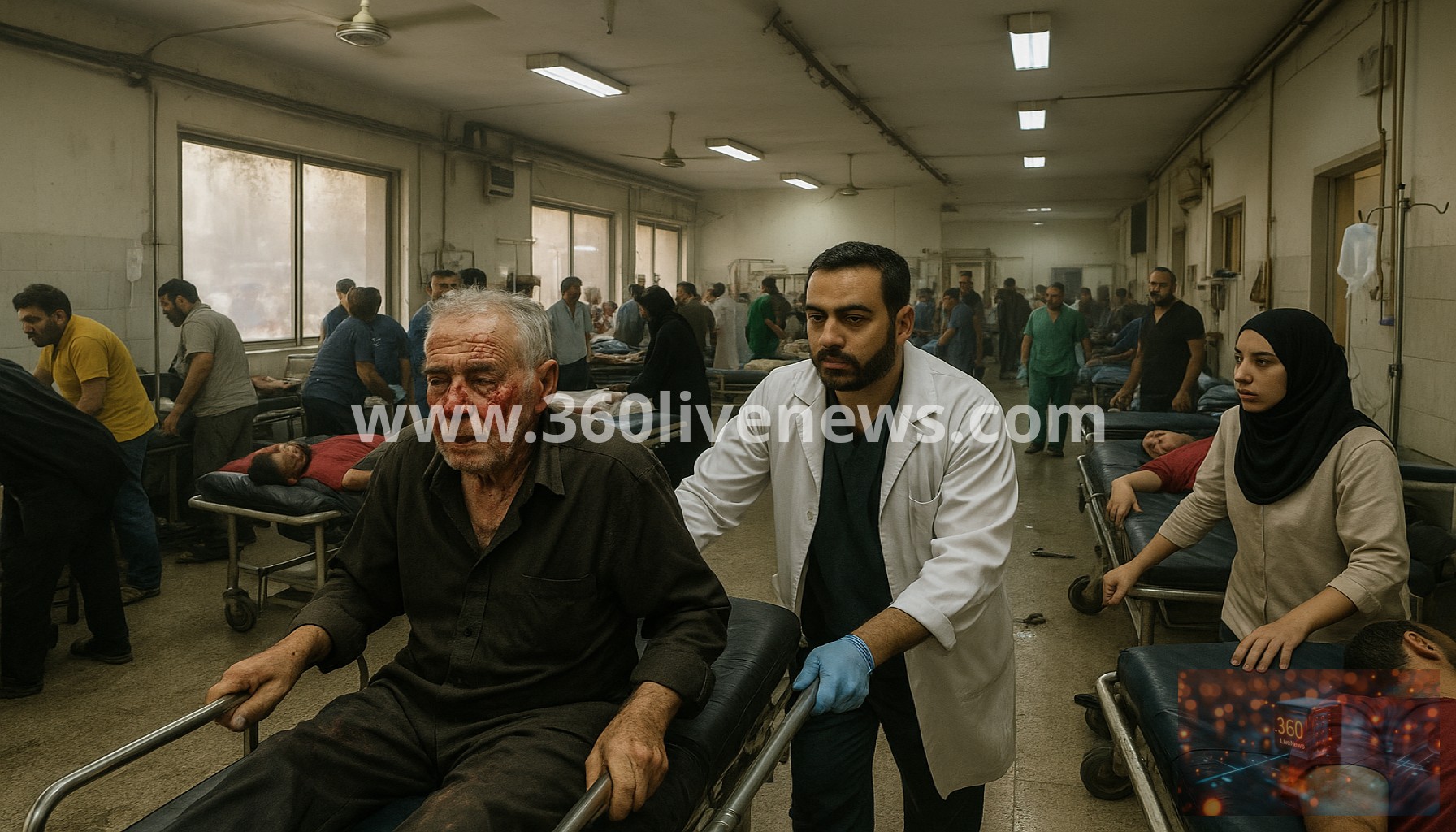
The situation in Lebanon has intensified as Israeli forces launched a series of airstrikes on Wednesday, devastating parts of Beirut and resulting in a significant humanitarian crisis. In a rapid assault that targeted over 100 locations across the country within just ten minutes, hospitals rapidly filled with casualties, and medical facilities faced critical shortages of supplies. The escalating conflict has raised alarms about the capacity of healthcare institutions to manage the increasing number of wounded as violence continues unabated.
Reports indicate that the death toll from the strikes has climbed dramatically. As of Thursday morning, the Lebanese Ministry of Public Health reported that at least 303 individuals have been killed, with more than 1,150 others injured. According to Dr. Salah Zeineldine, the chief medical officer at the American University of Beirut (AUB) Hospital, the facility has become a critical hub for treating the wounded, receiving around 76 injured people within an hour of the bombardment. Tragically, six of those victims succumbed to their injuries shortly after arriving.
Eyewitness accounts depict harrowing scenes as hospitals like AUB were filled to capacity with individuals in distress. Many were searching for missing relatives amid the chaos, expressing deep fear and uncertainty as they faced the aftermath of the bombings. The humanitarian impact of the strikes has prompted serious concerns among healthcare professionals, who warn that with vital supplies dwindling, the crisis could deepen further.
This wave of violence seemingly contradicts a recent ceasefire agreement between the United States and Iran that was expected to encompass Lebanon. The abrupt escalation has left many grappling with the implications of renewed hostilities in a region already fraught with tension and instability. Historically, Lebanon has experienced recurrent periods of conflict with Israel, with the aftermath often leaving the civilian population suffering from the repercussions of military actions.
In previous conflicts, healthcare systems in Lebanon have faltered under the strain of war, and the current situation appears to be no different. Hospitals are reporting that they are inadequately equipped to handle the influx of patients due to shortages of essential medications and the destruction of infrastructure in the wake of the attacks. The Lebanese medical community is urging for urgent international assistance to address the growing need for medical supplies and to provide care for those impacted by the violence.
The geopolitical landscape of Lebanon shapes the context in which these recent attacks occur. Lebanon's complex history involving various political factions, the Hezbollah militant group, and broader regional tensions involving Iran and Israel has generated an environment of vulnerability. With the potential for further conflict escalating amid existing tensions, the ramifications may extend beyond immediate humanitarian needs to broader regional stability.
The data emerging from the attacks underscores both the immediate casualties and longer-term issues posed by ongoing violence. The role of healthcare institutions is critical in such scenarios, but systemic weaknesses place significant pressure on their ability to function effectively. Leaders from the medical community are calling for increased funding and international support, as local resources are tested to the brink amid continuous emergency operations.
This situation also raises questions about the international community's response to the conflict. Past resolutions and peacekeeping efforts have often fallen short of ensuring long-term stability in Lebanon. The recurrence of violence could necessitate renewed diplomatic strategies to address the root causes of the conflict, including negotiations between involved nations, as well as the need for comprehensive humanitarian assistance for affected populations.
The ongoing challenges facing Lebanon's healthcare system against the backdrop of escalating military violence reflect a grim scenario for many civilians. As the crisis continues to unfold, the world watches closely, with calls for restraint and protection of civilians becoming increasingly urgent. Nonetheless, the pressing needs of those affected demand immediate action from both local and international stakeholders to alleviate suffering and restore some semblance of safety and stability.
#HayatBeirut #HealthcareCrisis #BeirutAirstrikes #LebanonCasualties #IsraeliOperations #AmericanUniversityofBeirut #HumanitarianCrisis #InternationalResponse