Great Western Highway in NSW remains closed indefinitely due to structural issues beneath Mitchell's Causeway
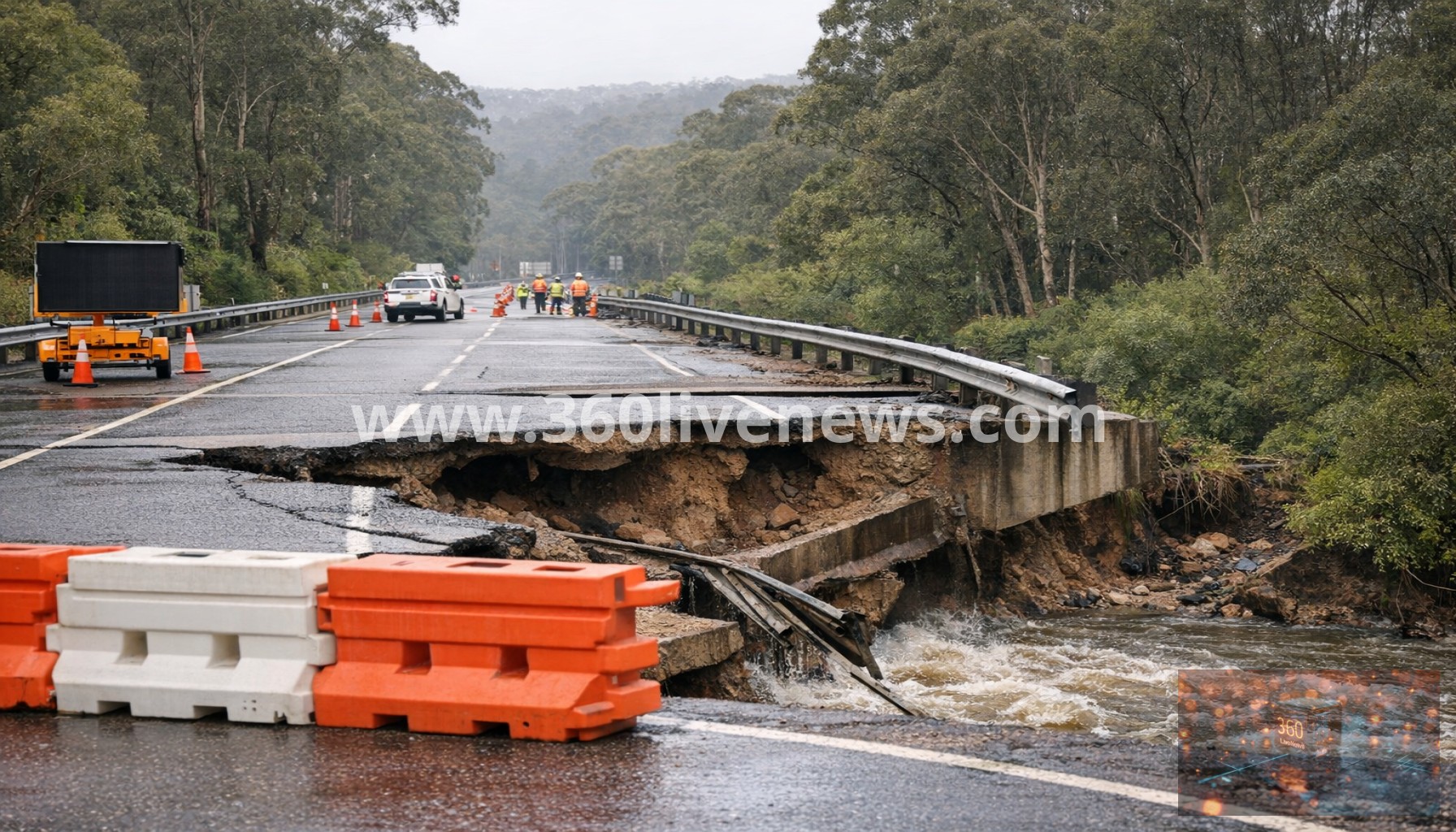
The Great Western Highway in New South Wales, a critical route connecting Sydney to Western NSW, continues to be closed indefinitely, as officials now indicate there is no "proper timetable" for its reopening. This statement follows geotechnical studies that revealed significant structural gaps beneath the Mitchell's Causeway, also historically known as the Convict Bridge, which has remained closed for three months due to safety concerns.
The NSW roads minister's remarks reflect a growing concern regarding infrastructure safety and the challenges of repairing such a crucial transport link. The Mitchell's Causeway is not only an engineering landmark but also a vital artery for traffic, commerce, and emergency services in the region. Geotechnical assessments highlighted serious deficiencies that have necessitated a more profound review and restoration process than initially planned.
In response to the alarming conditions identified in the highway's infrastructure, the New South Wales government is actively seeking the expertise of specialists from across the globe. State authorities recognize the complexity of the repairs required to ensure both the safety and longevity of the bridge and highway. This move underlines the urgency of addressing infrastructure deterioration in a state that has faced significant financial and logistical challenges in recent years due to various natural disasters and economic pressures.
The situation surrounding the Great Western Highway is indicative of broader infrastructural issues within Australia, where aging roads and bridges are increasingly under scrutiny. Investments in infrastructure repair and maintenance have struggled to keep pace with the country's growth and the increasing demands on these critical transport systems. Recent reports suggest that many transport networks across New South Wales face similar issues, thereby highlighting a systemic problem that officials must confront.
This event holds significant implications for local and regional economies. Prolonged closures can lead to increased travel times, elevated transport costs, disruptions to local businesses, and hindered emergency services. The economic impact of the highway's closure cannot be overlooked, especially in rural areas that rely heavily on this road for access to markets and essential services. Surveys conducted by regional transport authorities indicate that communities along the route have experienced heightened difficulties since the highway's closure.
Historically, the Great Western Highway has been paramount in the connectivity of New South Wales, facilitating not only commercial activities but also social interaction among communities. Its maintenance is critically linked to the state's strategic goals of enhancing regional development and supporting population growth beyond major urban centers. The apparent delay in reopening might complicate ongoing discussions about the future of regional infrastructure and economic stability in these areas.
In a related note, Grace Tame’s foundation, which focuses on supporting abuse survivors, has announced its closure due to financial difficulties. Tame, a former Australian of the Year, has indicated that her organization faced significant challenges in securing long-term funding, which has raised concerns among advocates for abuse survivors. The closure may have ripple effects on support systems available for vulnerable populations, adding another layer of complexity to community resilience amid ongoing infrastructural challenges.
The New South Wales government's approach to addressing the repairs needed at the Great Western Highway reflects an acknowledgment of the urgent need for policy reform regarding infrastructure funding and management. Experts have urged officials to prioritize the development of a more sustainable funding model that could prevent similar occurrences in the future and ensure that critical infrastructure receives the attention and resources it requires to meet the demands of a growing population.
The Great Western Highway's ongoing closure and the situation with Grace Tame’s foundation highlight the interconnectedness of infrastructure and social well-being in regional communities. As authorities grapple with these challenges, the outcomes may shape future strategies for both transportation and social services in a manner that prioritizes resilience and sustainability.
#GreatWesternHighway #NewSouthWales #MitchellsCauseway #GraceTame #AustralianOfTheYear #TransportInfrastructure #NSWGovernment #GeotechnicalStudies