Protests in Caracas Demand Higher Wages and Pensions Amid Economic Crisis
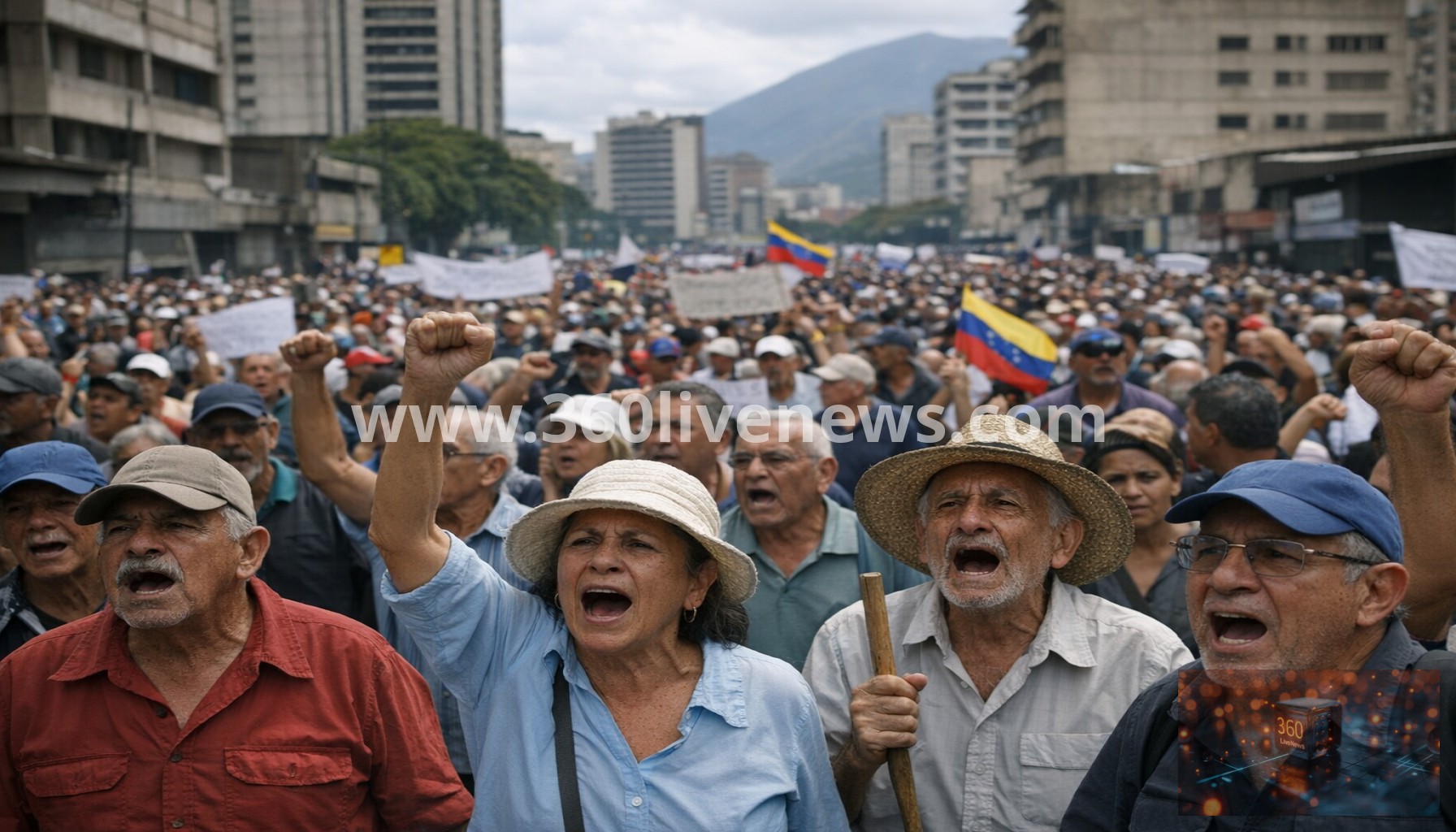
In Venezuela, escalating protests have emerged as union leaders, retirees, and public sector workers have mobilised in the capital, Caracas, demanding higher wages and pensions. The demonstration occurred amid an ongoing economic crisis that has severely impacted the ability of workers to afford essentials. Police responded to the march by establishing blockades, preventing protesters from reaching the presidential palace.
The protests took place on a Thursday, following a public address by acting President Delcy Rodriguez on the previous day. In her speech, Rodriguez urged both public and private sector workers to remain patient as her government attempts to navigate the nation's economic difficulties. Workers have been enduring years of stagnant wages that often fail to meet even basic living standards.
Specific wage figures highlight the dire economic conditions in Venezuela. Reports indicate that many public sector employees earn approximately $160 per month, while private sector workers had an average salary of about $237 within the last year. These figures expose the significant gap between earnings and the skyrocketing cost of living in the country, prompting workers to voice their grievances forcefully.
Jose Patines, a prominent union leader present at the march, articulated the sentiments of many participants by calling for tangible political change. He stated, "Call for elections and leave. That’s what the Venezuelan worker wants today,” reflecting a wider frustration with the government's handling of the economic crisis. The protests underscore not only a struggle for financial stability but also a broader dissatisfaction with the interim government's leadership.
Historically, the economic landscape in Venezuela has been marked by extreme fluctuations and mismanagement, especially in recent years under the leadership of former President Nicolas Maduro. The situation worsened dramatically following Maduro's abduction in January, which exacerbated public discontent and led to increasing demands for reform. This latest wave of protests highlights the deepening disconnection between the government and the everyday concerns of Venezuelan citizens.
The scale and intensity of these protests reveal a significant moment in Venezuelan society, as the people protest not only for their livelihoods but also for their fundamental rights. The history of protests in Venezuela reflects a cycle of discontent, where citizens often take to the streets in the face of governmental inaction. Various groups, including union members and civil societies, are coming together to collectively articulate their demands, amplifying calls for significant political reform.
Demands for higher wages and dignified pensions are not merely economic pleas, but also calls for justice and recognition from a government perceived as disconnected from its citizenry. As the country grapples with political and economic turmoil, the protests serve as a stark reminder of the urgency for governmental accountability. The potential for further escalation remains as citizens continue to engage in civil disobedience, pushing back against blockades and law enforcement efforts.
The international implications of the protests in Venezuela also warrant attention. The ongoing civil unrest may influence international perspectives on Venezuela's governance and its economic policies. As neighbouring countries watch the situation unfold, the collective push for political reform could lead to broader regional ramifications, demonstrating unity among citizens who demand basic rights to live and work with dignity.
The immediate future remains uncertain, as reactions from the government following these protests could dictate the next steps in this evolving social movement. It is also critical for international observers and humanitarian organizations to monitor and respond to any developments, as the situation may rapidly change, impacting not only Venezuelans but the surrounding geopolitical landscape.
#Venezuela #protests #wages #unions #elections #DelcyRodriguez #publicsector #politicalreform