Karratha residents call for improvements to emergency warning system after confusion during ex-Tropical Cyclone Narelle
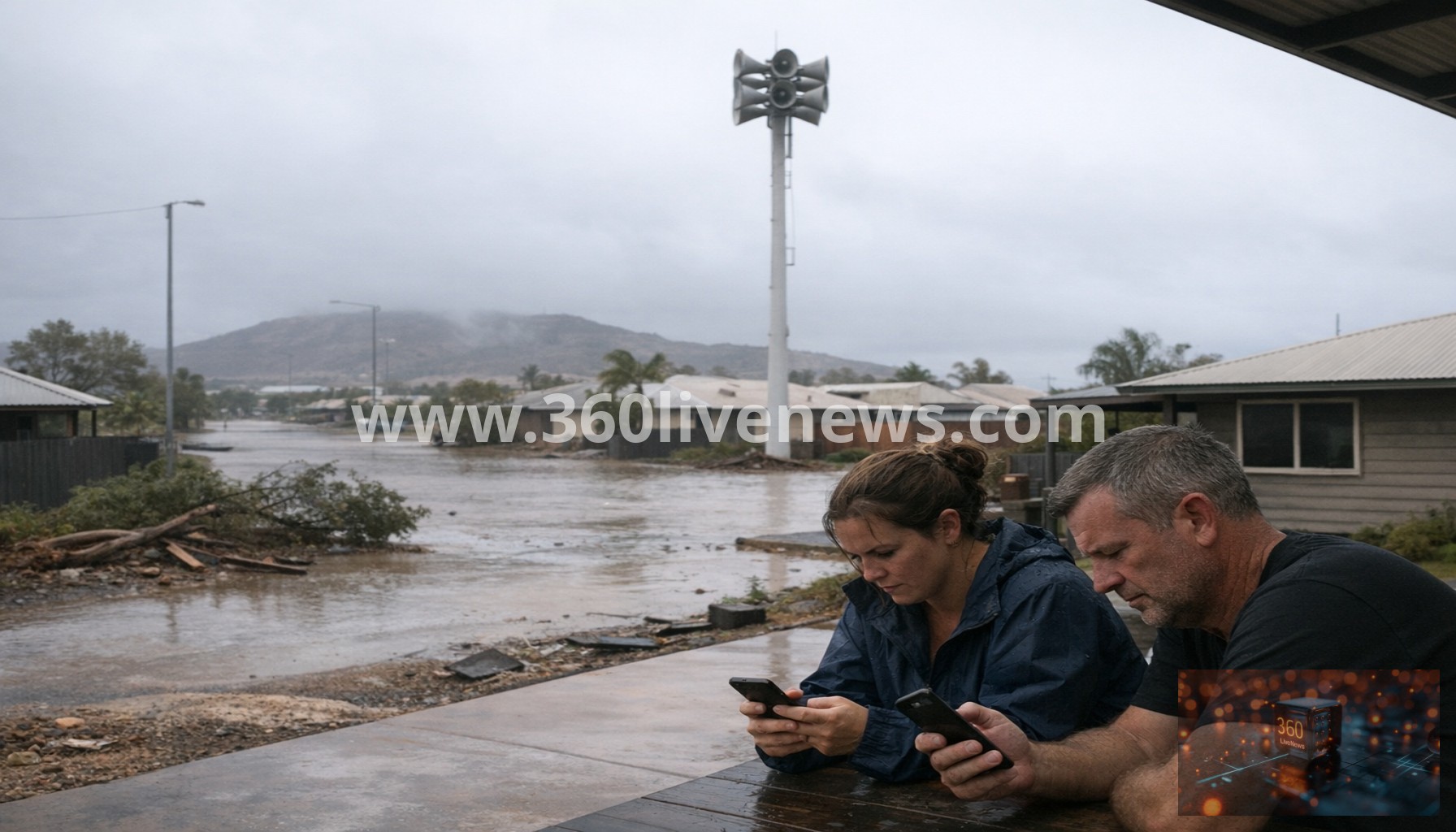
Residents of Karratha, Western Australia, are demanding significant improvements to the state’s emergency warning system following confusion experienced during ex-Tropical Cyclone Narelle last month. The cyclone resulted in hazardous weather conditions that raised concerns about the effectiveness of communication from officials during such critical times. Reports indicate that while an Emergency warning was issued for the nearby town of Dampier, Karratha, located just 15 kilometers away, remained under a less urgent Watch and Act warning.
As ex-Cyclone Narelle approached in late March, residents of Karratha observed severe weather conditions that localized reports described as "very dangerous." They felt alarmed that the emergency response did not reflect the immediacy of the threat posed by the cyclone. Many expressed their dissatisfaction with the warning system, feeling it failed to properly alert them to the severity of the situation. Consequently, an appeal for a review of these protocols has gained traction, led by local citizens advocating for enhanced public safety measures.
The Department of Fire and Emergency Services (DFES) addressed the situation, indicating that Karratha did not meet the criteria for an Emergency warning during the cyclone, hence the issuance of the less severe alert. This explanation, however, has not quelled community concern over the effectiveness of the state's emergency preparedness. The discrepancies in warning classifications contributed to feelings of insecurity among residents, who emphasized the need for a cohesive and clear communication strategy during emergency events.
In light of the recent cyclone, Western Australia has faced scrutiny regarding its emergency management protocols, particularly in how they affect community safety. Previous incidents have raised questions about the responsiveness of emergency systems in the face of natural disasters, leading to the current demand for reform and clarity. Many residents took to social media and local forums to voice their concerns, ultimately prompting discussions among local leaders about the necessity for changes in how warnings are issued and the criteria used to categorize threats.
The cyclone brought damaging winds and heavy rainfall, prompting the local government to initiate damage assessments. However, significant community push-back has emerged concerning whether the classifications were appropriate based on the actual weather conditions experienced. Residents are not only calling for a retrospective review of the latest cyclone but also a comprehensive auditing of the criteria applied to warning classifications in general.
Previously, similar emergencies in the region have led to community outcry over lapses in the emergency response framework. Local advocacy groups have pointed out that inadequate warning systems can jeopardize safety in high-risk situations, emphasizing the need for reliable communication from emergency services. Historical precedents of ineffective emergency warnings during prior cyclones have compounded apprehension in Karratha.
Recognizing the importance of a responsive emergency system, local representatives are now discussing potential policy changes to improve the region's preparedness for severe weather events. Scenarios similar to ex-Cyclone Narelle have highlighted potential gaps in emergency management, encouraging officials and community leaders to review how alerts are prioritized and delivered. Furthermore, the lessons learned from this recent cyclone could provide actionable insights for improving disaster response systems across the wider state of Western Australia.
Local officials have stated that they are committed to reviewing all feedback from citizens to enhance the reliability and effectiveness of future warnings. This commitment reflects a broader understanding that community safety must remain the foremost concern during extreme weather events. As discussions proceed, the government’s approach to emergency communications will likely evolve, taking into account the feedback from Karratha residents keen for change.
The implications of these developments extend beyond Karratha, as they could influence broader emergency management policies statewide. With increasing occurrences of severe weather attributed to climate patterns, ensuring efficient communication and robust emergency response is critical for all Western Australian communities. The push for reform in the warning system represents not only a response to recent events but also a proactive strategy to safeguard public safety moving forward.
#Karratha Western_Australia">#WesternAustralia Tropical_Cyclone_Narelle">#exTropicalCycloneNarelle Department_of_Fire_and_Emergency_Services">#DFES Emergency_Management">#EmergencyManagement Weather_Warning">#WeatherWarning Community_Safety">#CommunitySafety Cyclone_Response">#CycloneResponse