Sara Duterte-Carpio Leads 2028 Presidential Polls with 36 Percent Support, 17 Points Ahead of Senator Raffy Tulfo
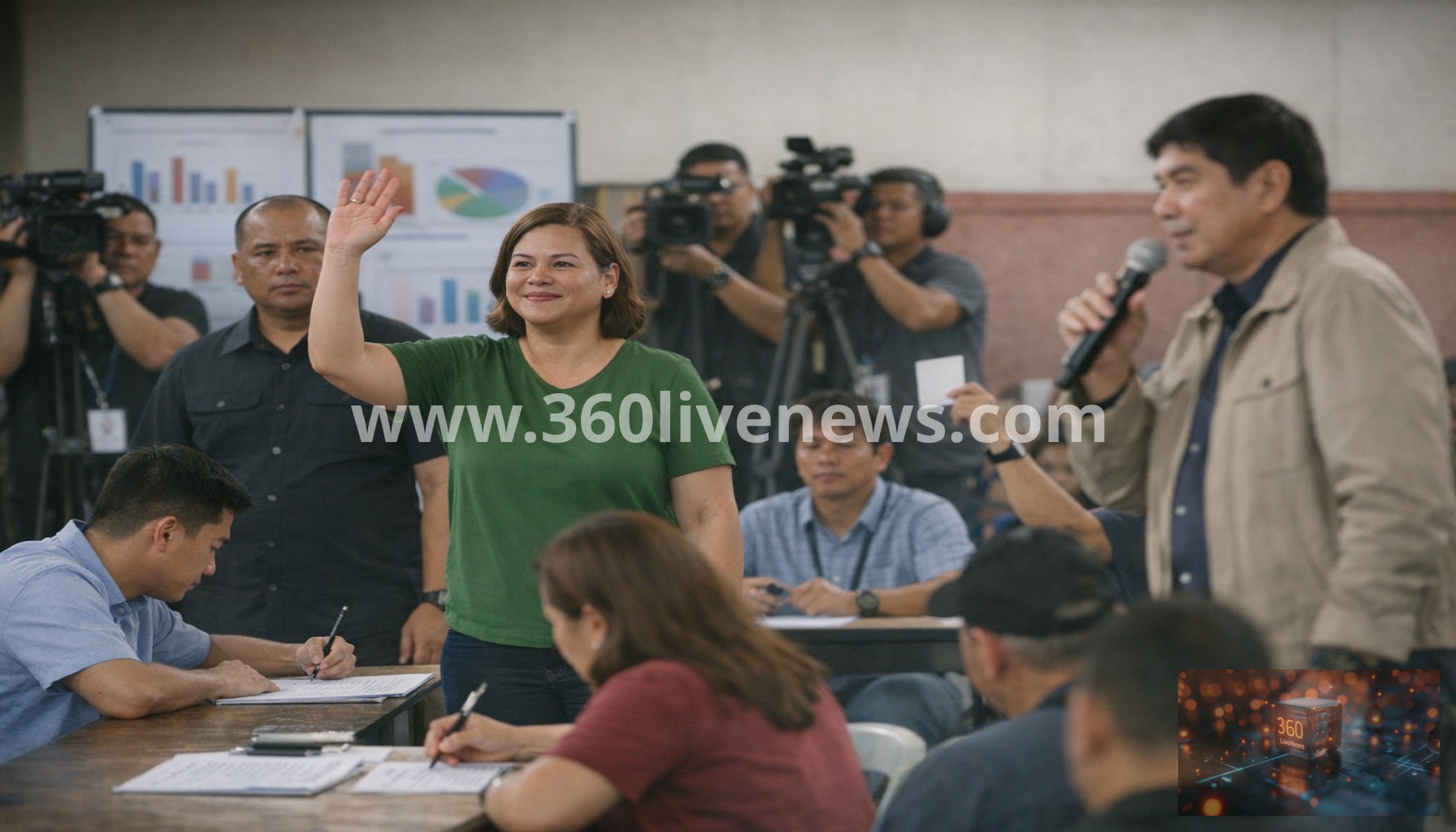
In a recent survey conducted by WR Numero, Philippine Vice President Sara Duterte-Carpio has emerged as a clear frontrunner in the early polling for the presidential election scheduled for 2028. The poll indicates that 36 percent of respondents would cast their votes for Duterte-Carpio if the election were to occur today, marking a significant 17-point lead over her closest contender, Senator Raffy Tulfo. This polling data is based on a national survey of 1,455 adult participants conducted from March 10 to March 17, and the results were released on April 10.
The survey positions Tulfo second with 19 percent support, while former Vice President Leni Robredo, who contested against President Ferdinand Marcos Jr. in the previous election, trails with only 16 percent. This division among potential candidates highlights the ongoing struggle among Duterte-Carpio's rivals to unite against her rising popularity, especially as her administration navigates through impeachment proceedings that have drawn significant media attention.
These impeachment proceedings, which are currently underway, focus on allegations of misconduct against Duterte-Carpio, raising questions about her political future. The developments surrounding this impeachment may have complicated the political landscape, yet they have not seemingly diminished her appeal among the electorate. Political analysts observe that the significant lead she has garnered is indicative not only of her individual popularity but also reflects the continued influence of the Duterte name in Philippine politics.
In the context of recent history, the Philippines has experienced turbulent political dynamics, particularly since the election of President Ferdinand Marcos Jr. in 2022. The Marcos administration has faced criticism from various sectors, which could be contributing to a consolidation of support for Duterte-Carpio as a potential response to prevailing discontent. Many voters appear to be turning towards familiar figures with established political legacies as they contemplate leadership for future governance.
Duterte-Carpio's popularity is noteworthy considering that her approach to governance and policy has often placed her at the center of political discourse in the Philippines. As vice president, she's also associated with a variety of initiatives aimed at addressing societal challenges, which could bolster her position as a favorable candidate in the upcoming elections. Experts in political science suggest that her continued visibility and engagement with the public might solidify her potential for electoral victory.
Furthermore, her significant lead raises important questions about the political strategies employed by her rivals. Tulfo and Robredo, despite their political experience and previous electoral runs, must now consider how to effectively unite their supporters to present a credible challenge to Duterte-Carpio. A fragmentation within opposition ranks could serve to solidify her position further and complicate efforts to oust the incumbency.
The implications of this polling data are extensive, as the trajectory of Philippine politics appears to be shifting in favor of Duterte-Carpio. A potential victory in the 2028 elections could further entrench the Duterte political dynasty, considering her father, Rodrigo Duterte, served as president from 2016 to 2022. This sustained political lineage emphasizes an ongoing trend within Philippine governance that often favors continuity over change, although this can lead to concerns regarding political dynasties and their impact on democratic processes.
Political experts note that the upcoming months could be crucial for all of the potential candidates as they seek to either solidify their bases of support or negotiate alliances. Observers will be watching closely how the ongoing impeachment proceedings play out for Duterte-Carpio, as these developments could further influence public perception and electoral prospects. Additionally, her ability to maintain her current approval ratings under the weight of such allegations will be a telling sign of her political resilience.
As the election approaches, the broader implications for governance and democratic engagement in the Philippines continue to be of paramount interest. How the political landscape responds to Duterte-Carpio's lead and the ongoing discourse around the impeachment proceedings will not only shape the 2028 elections but could also define the future of political competition in the country. In conclusion, the political scenery is poised for significant transformation as candidates prepare to navigate the complexities of their platforms in a bid for the presidency.
#PhilippineElection2028 #SaraDuterte #RaffyTulfo #LeniRobredo #RodrigoDuterte #PhilippinePolitics #Impeachment democracy">#Democracy